Please ensure Javascript is enabled for purposes of website accessibility.
Search
Search
Search

GIA 4Cs Diamond Blog

GIA 4Cs Diamond Blog

Captivated by Coral

We’ve been wearing coral jewelry for at least 30,000 years – an impressive testament to its timeless appeal.

Coral comes in an array of colors: white, cream, various shades of red and orange, blue, a light grayish violet called “lavender” in the trade, and a light, vivid pink color sometimes referred to as “angel’s skin”. There is also black and golden coral. Red coral (sometimes called “ox blood” in the trade) has historically been the most expensive. Gem-quality coral has uniform color. (more…)
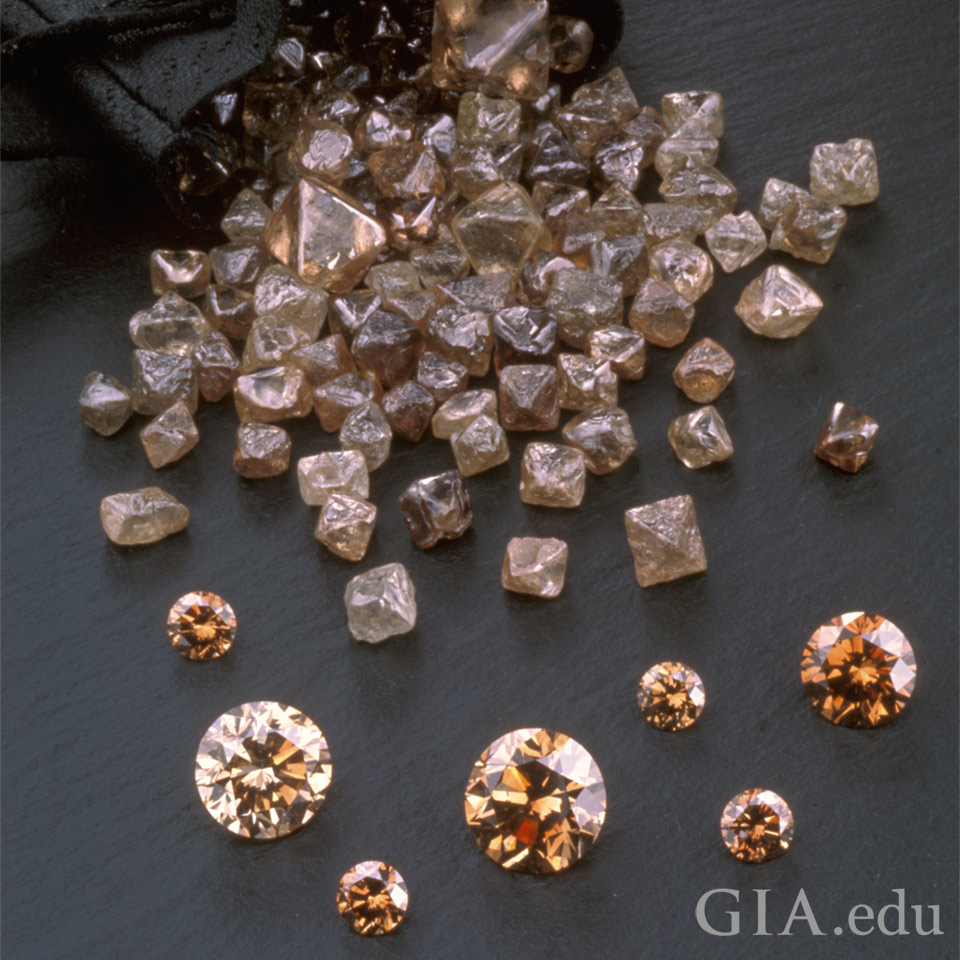
Bravo for Brown Diamonds

Just a few decades ago, saying a diamond was brown was considered to be the kiss of death. These ugly ducklings of the colored diamond world were often destined for industrial use. (more…)

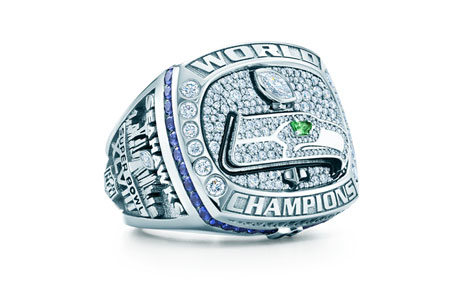
The Seattle Seahawks get their Super Bowl Rings

The reigning world champion Seattle Seahawks sported new Super Bowl rings when they took the field against the Green Bay Packers, kicking off their season with a resounding win. (more…)

The Big Deal about Little Inclusions

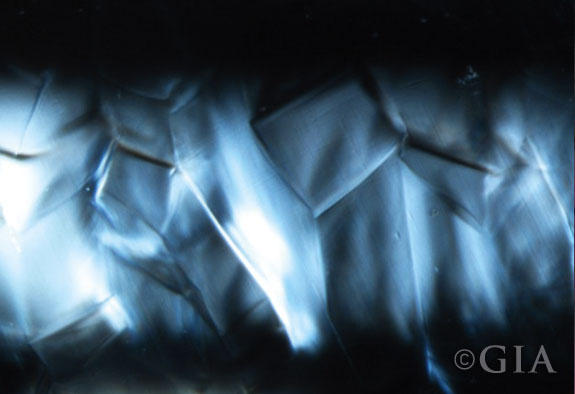
Clarity characteristics on a gemstone’s surface are called blemishes. Inside the stone, they are referred to as inclusions.. This post will focus on inclusions and how they are important factors to gem and jewelry professionals and consumers.

Inclusions can be very small, but they mean a lot. In general, the fewer inclusions, the greater the desirability. (more…)

Ammolite – The Fashionable Fossil

If you’re intrigued by the origin of gemstones, then you’re probably going to love ammolite. Ammolite is iridescent fossilized ammonite shells found in Southern Alberta, Canada. (more…)

History of Cultured Pearls, Part Two: The South Seas and Tahiti

In the past century, pearls have gone from some of the most expensive and rarest objects to jewelry that many of us can afford.

How this happened and what the future holds is a fascinating story. In part one of our series on cultured pearls we discussed how three Japanese men created techniques to produce the first akoya cultured pearls, which gave birth to the modern cultured pearl industry. Today, we dive into South Sea cultured pearls, Tahitian cultured pearls, and the rise of China as a leading cultured pearl producer.

Ready to set sail and learn about these treasures? (more…)

Emerald Adventures in Afghanistan

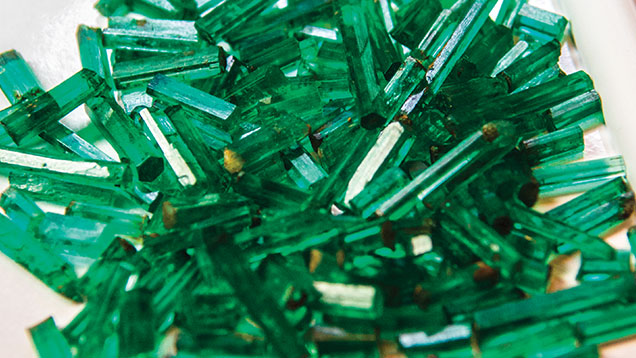
Buried deep in the Himalayan foothills of Afghanistan lies a bountiful supply of rich, deep green emerald, and the promise of seeing these beautiful rough gems lured Andy Lucas, GIA manager of Field Gemology in Carlsbad, to this scenic but beleaguered land.

Lucas travels around the world gathering details of the mine to market story for GIA education courses and its scientific publication, Gems & Gemology. And this time, his destination was the remote emerald mines of Panjshir Valley.  The valley’s name means “five lions,” a tribute to five spiritual brothers who once lived there. When he arrived, he found a rugged land with spectacular vistas. (more…)

The Beauty of Blue Diamonds

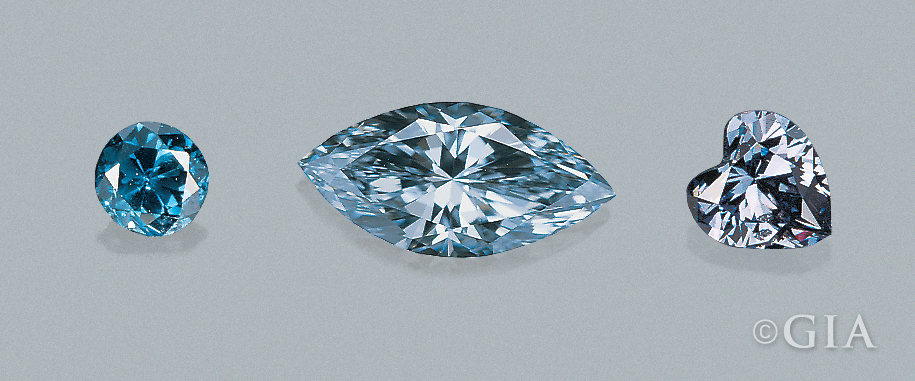
Blue diamonds are extremely rare, exquisitely beautiful, and rich in lore. This special combination has made them coveted by diamond lovers and jewelry connoisseurs.

How rare are blue diamonds? To find that glittering needle in the haystack, tons of ore have to be unearthed. And when a blue diamond is found, you can imagine the excitement it causes. (more…)

History of Cultured Pearls – Part 1

Before the development of cultured pearls, only natural pearls were available – and their value was astronomical.

“I’m going to have the most expensive dinner in history,” Cleopatra supposedly boasted to Marc Anthony. She then dissolved a large natural pearl in a goblet of wine and drank it. Then there was the Roman general, Vitellius (15 A.D.-69 A.D.), who sold a natural pearl from one of his mother’s earrings to cover the expenses of a military campaign. (more…)

Yearning for Yellow Diamonds

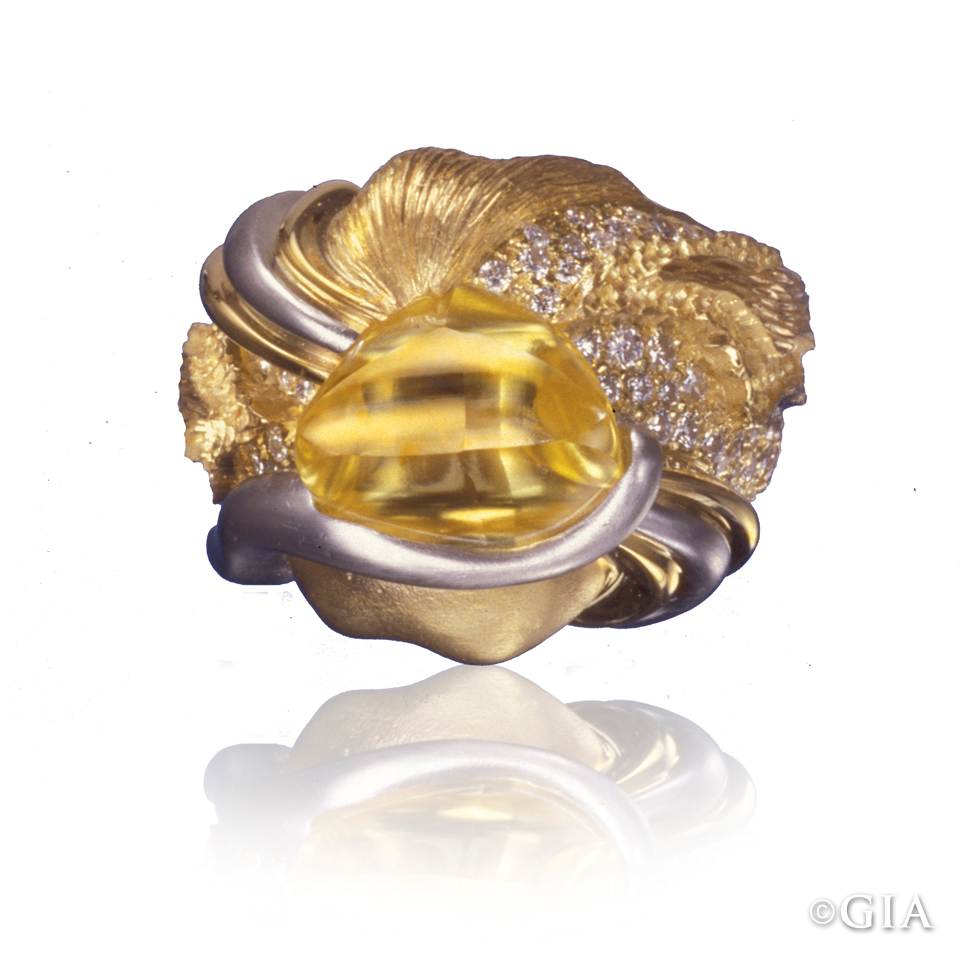
If you love yellow diamonds, you’re not alone. Diamond connoisseurs spend millions on these stunning gemstones. (more…)

Meet the Mollusks

A strand of pearls is one of the most glamorous pieces of jewelry a woman can wear, yet these lustrous beauties have humble origins.

Pearls are produced by mollusks – soft-bodied saltwater or freshwater animals possessing one (univalve) or two (bivalve) shells. Mollusks are invertebrates meaning they lack a spine or vertebrae. Scientists estimate there are over 100,000 different species of mollusks in the world’s waters. However, only a few dozen of these species produce pearls and only about half of them are used to produce cultured pearls. (more…)

Bejeweled Buildings

Glittering around the world are a handful of buildings decorated with gems.

Sparkling like stars in the night sky, these architectural marvels are ornamented with mother of pearl, abalone shell, amethyst, lapis lazuli, red agate, and more . Such stones are often reserved for jewelry, so to see hundreds of them in one place is an awe-inspiring experience.

Join us, as we take a tour around the world to learn about these bejeweled beauties. We promise they’ll be quite a sight to behold. (more…)