Please ensure Javascript is enabled for purposes of website accessibility.
Search
Search
Search

GIA 4Cs Diamond Blog

GIA 4Cs Diamond Blog

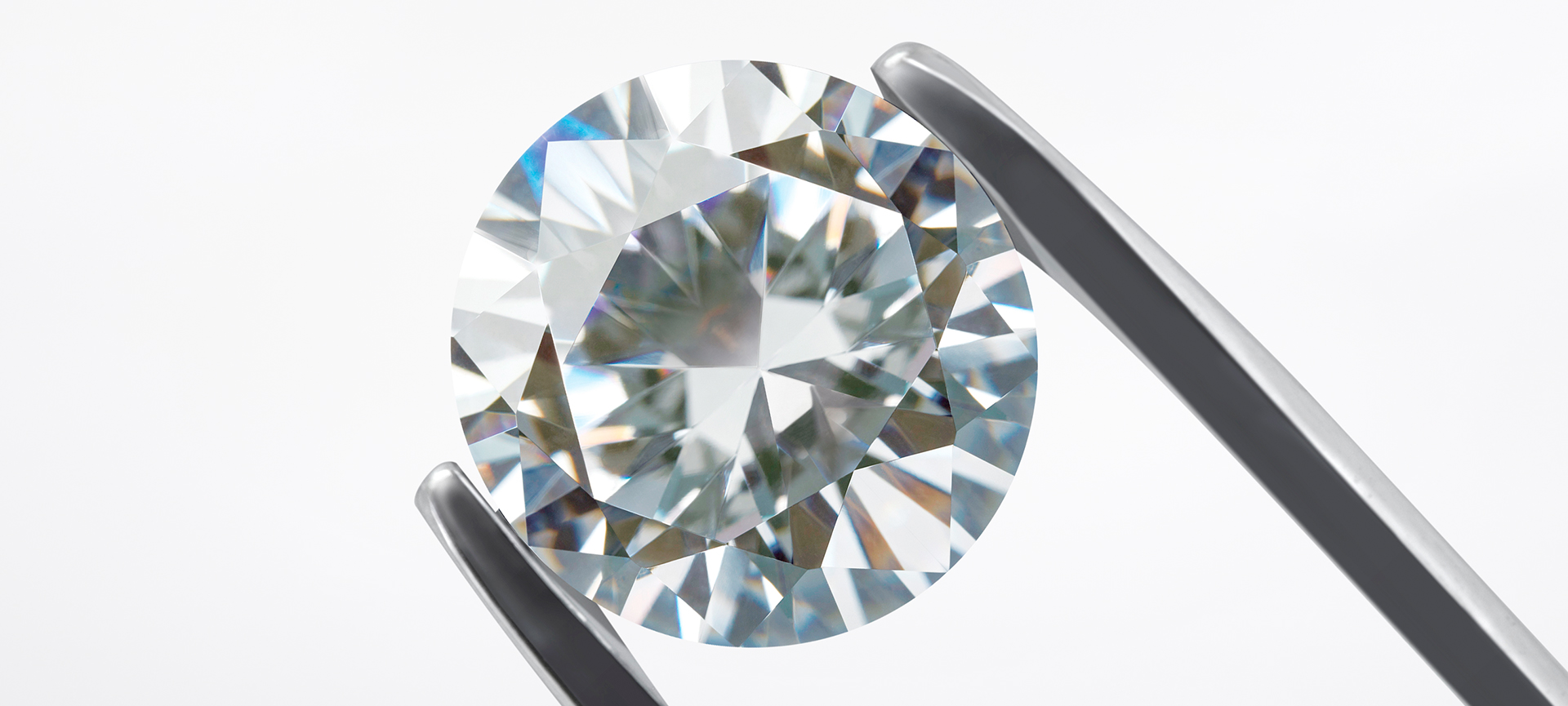
How to Select Diamond Side Stones for Engagement Rings

A diamond engagement ring is probably the most important piece of jewelry a woman will wear. Dressing up this symbol of love is something that speaks to the newly engaged and the long-time married alike. (more…)

GIA Holiday Shopping Guide: How to Choose A Birthstone for the Perfect Holiday Gift

Stunning, striking, and simply gorgeous, birthstone jewelry is a great holiday gift. Show your affection with a gift that merges individuality with style. A birthstone celebrates her personal story and represents a bit of who she is, so you may want to start the process by asking yourself what style suits her. Is she traditional or contemporary, classic or colorful? Does she prefer her metal silver spun or in a golden twist? Once you’ve got her design preferences down, don’t forget the qualities that make a birthstone valuable. (more…)

Turquoise Buying Guide

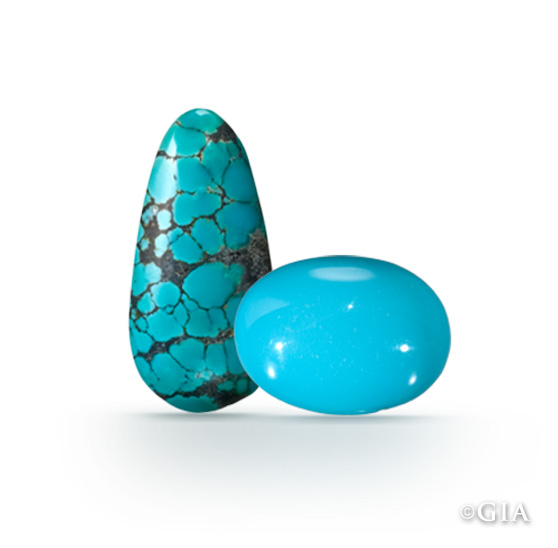
Found only in a few places on earth, turquoise is the second of December’s two official birthstones. Sought after for its robin’s egg blue and unique spiderweb-like patterns, it’s a perfect gem for unusual jewelry designs. (more…)

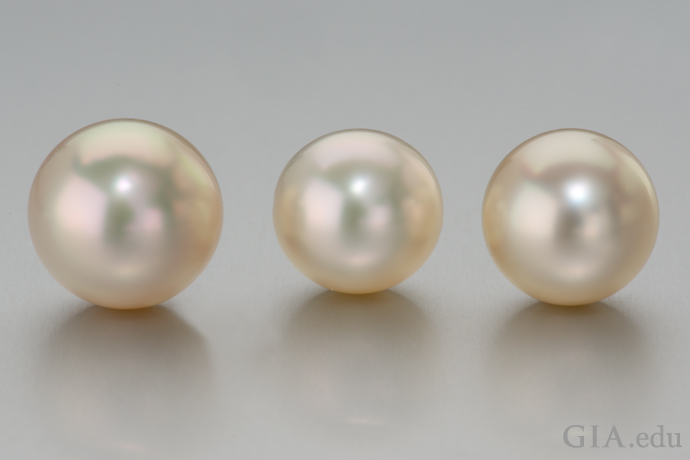
GIA Holiday Shopping Guide: How to Buy Pearls 101

Captivated by pearls? You’re certainly in good company. A favorite of legendary women including Cleopatra and Queen Elizabeth, these beautiful spheres are the only precious gems made from a living creature – the mollusk. (more…)

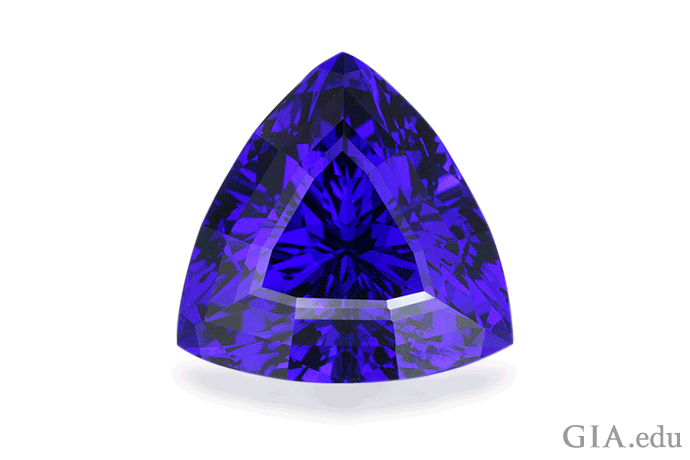
Tanzanite Buying Guide

Notable for its majestic blue velvet and intense royal purples, the first of December’s birthstones is named after the only country it can be found: Tanzania. Exceptional tanzanite can display three distinct colors in three crystal directions. (more…)

Citrine Buying Guide

Perhaps the most popular and frequently purchased yellow gemstone, citrine is a variety of quartz, and a November birthstone. While it’s an attractive alternative for topaz as well as yellow sapphire, natural citrine is actually quite rare, and those without color zoning or visible inclusions are highly sought after. (more…)

Topaz Buying Guide

One of November’s birthstones, topaz has the unique ability to show different colors in different crystal directions. Ancient civilizations believed that topaz gave them strength, long life, beauty, and intelligence. (more…)

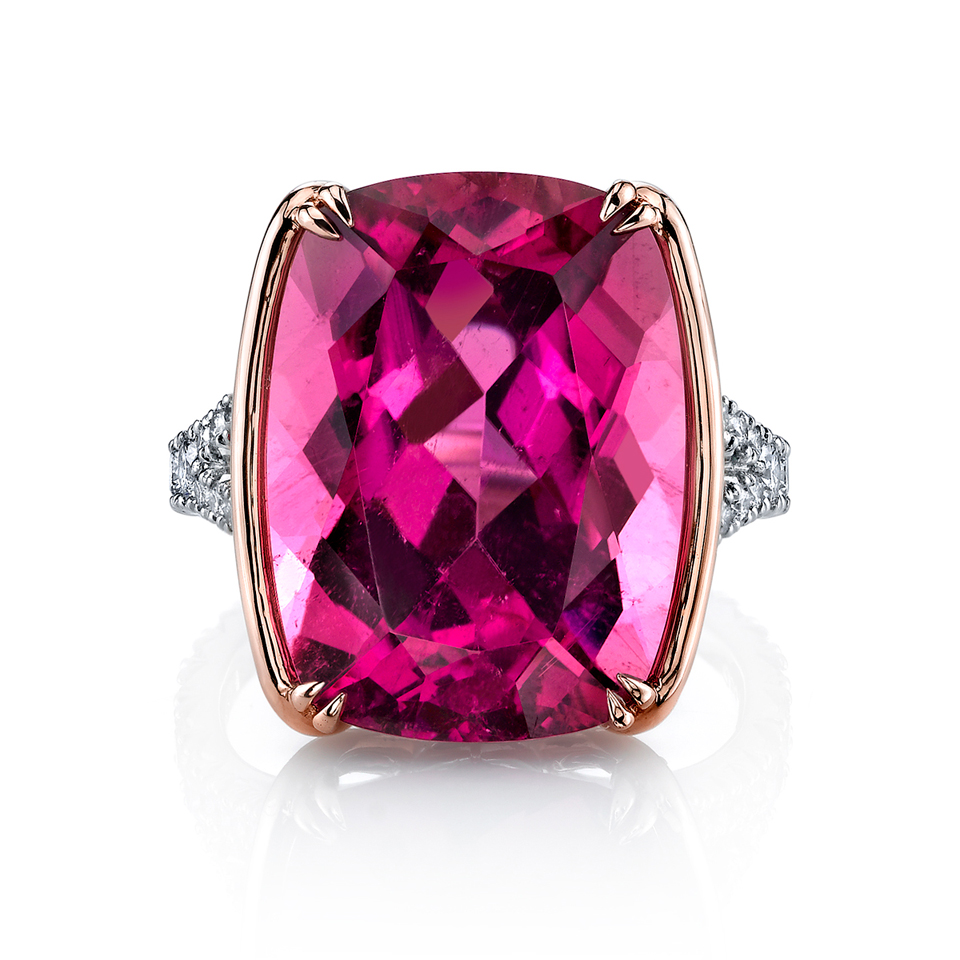
Tourmaline Buying Guide

Featuring one of the widest color ranges of any gem, tourmaline is one of October’s two birthstones. A favorite of mineral collectors everywhere, tourmalines come in all shapes, sizes, color saturations and tones – from expensive electric blues to affordable olive greens.

(more…)

Opal Buying Guide

October’s birthstone, Opal, displays a unique play-of-color that some say looks like fireworks, lighting, or galaxies trapped inside the stone.  The patterns and colors that result from the stone’s interaction with light make each opal one of a kind. (more…)

Captivated by Coral

We’ve been wearing coral jewelry for at least 30,000 years – an impressive testament to its timeless appeal.

Coral comes in an array of colors: white, cream, various shades of red and orange, blue, a light grayish violet called “lavender” in the trade, and a light, vivid pink color sometimes referred to as “angel’s skin”. There is also black and golden coral. Red coral (sometimes called “ox blood” in the trade) has historically been the most expensive. Gem-quality coral has uniform color. (more…)

Sapphire Buying Guide

September’s birthstone, Sapphire, is one of the most beloved gemstones. Considered one of the “Big Three” (along with ruby and emerald),  sapphire stepped into the spotlight with Princess Diana’s famous engagement ring, which Prince William then bestowed to Kate Middleton when he proposed in 2010. (more…)

Peridot Buying Guide

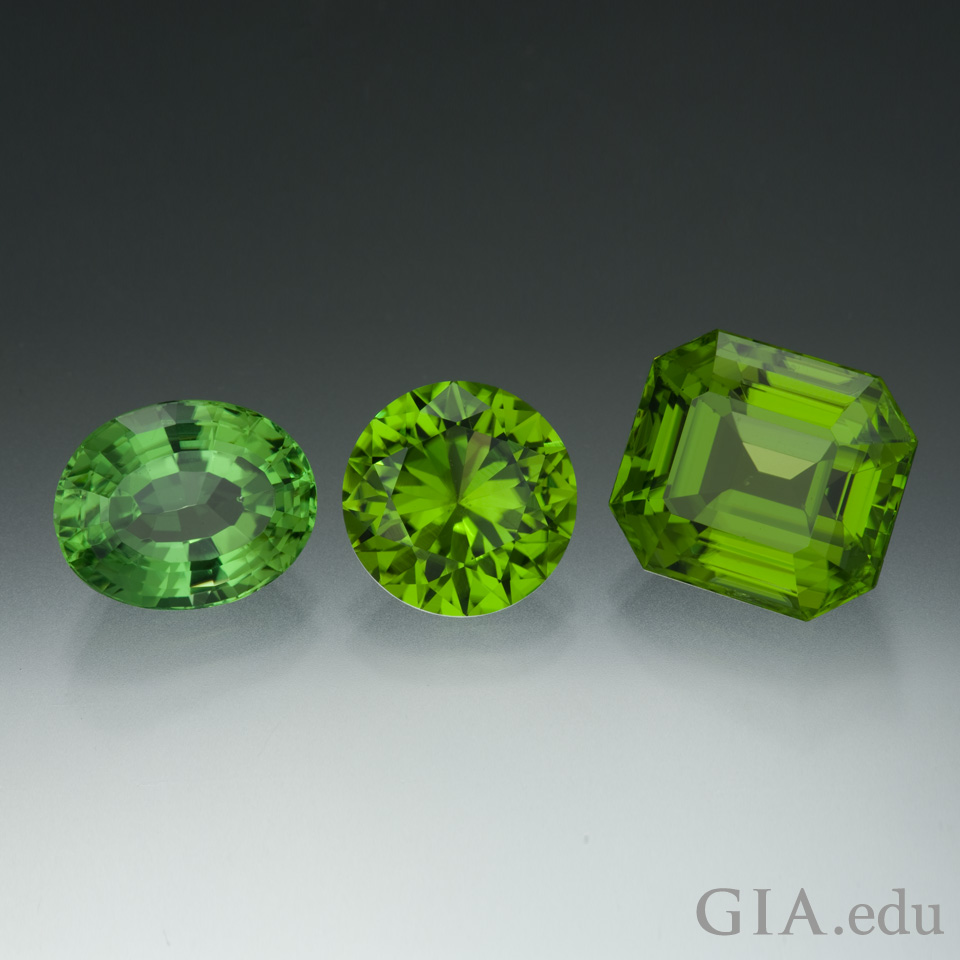
Known to Egyptians as the “gem of the sun,” the yellowish green peridot has been treasured since the earliest times, and is the birthstone for August. It’s thought that this gemstone is 4.5 billion years old, as it’s found in meteorite remnants dating to the solar system’s birth.

If you’re shopping for August’s birthstone, our Peridot Buying Guide offers tips and advice on what to look for, particularly as it relates to cut, one of the most important factors in a peridot’s appearance.  (more…)