Please ensure Javascript is enabled for purposes of website accessibility.
Search
Search
Search

GIA 4Cs Diamond Blog

GIA 4Cs Diamond Blog

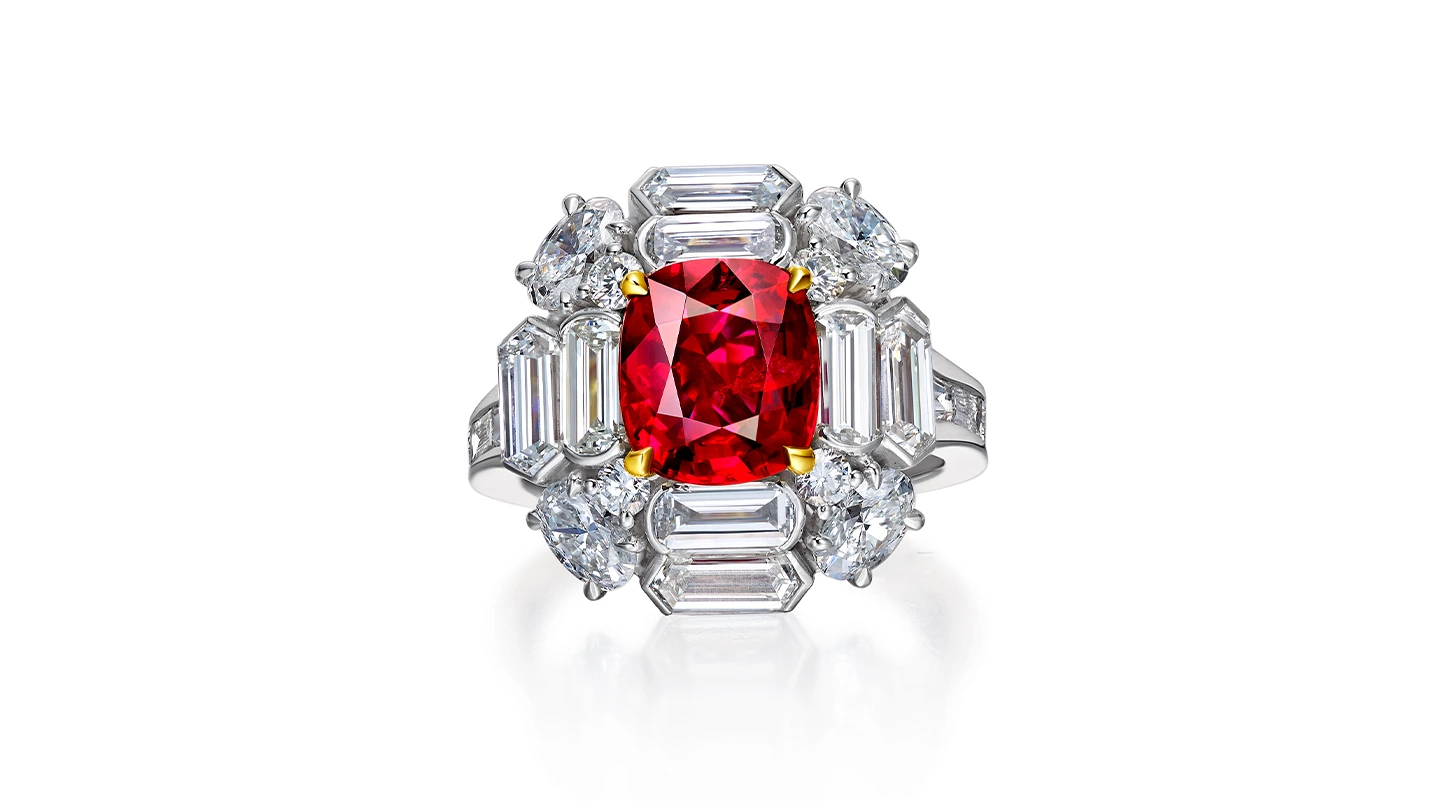
Rubies vs. Diamonds: What are the Similarities and Differences?
Rubies and diamonds are among the world’s most treasured gemstones. Learn about which similarities and differences you should know before a purchase.
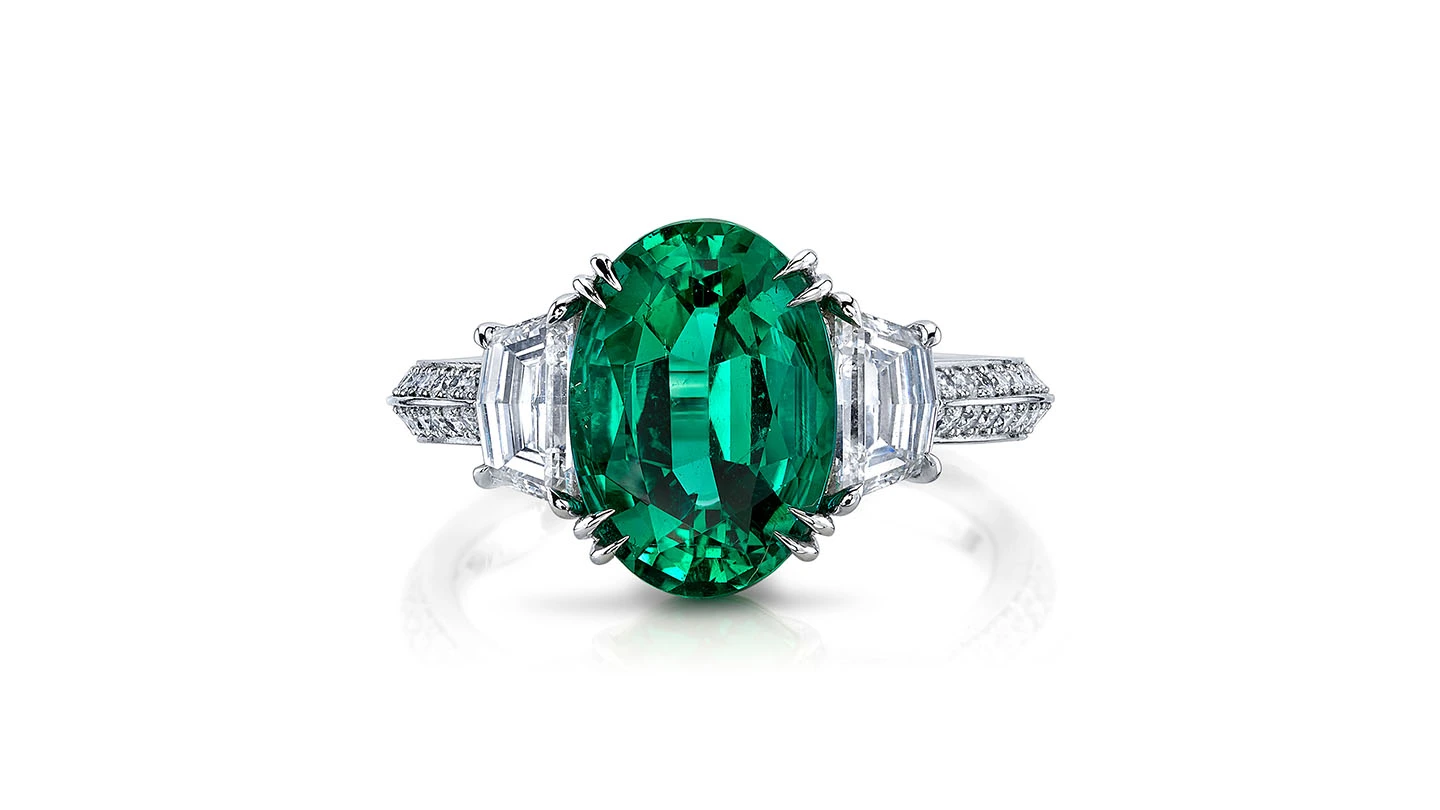
Emerald vs. Diamond: What are the Similarities and Differences?
When choosing between an emerald or a diamond, it's important to understand their unique attributes, pricing considerations and suitability for everyday wear.
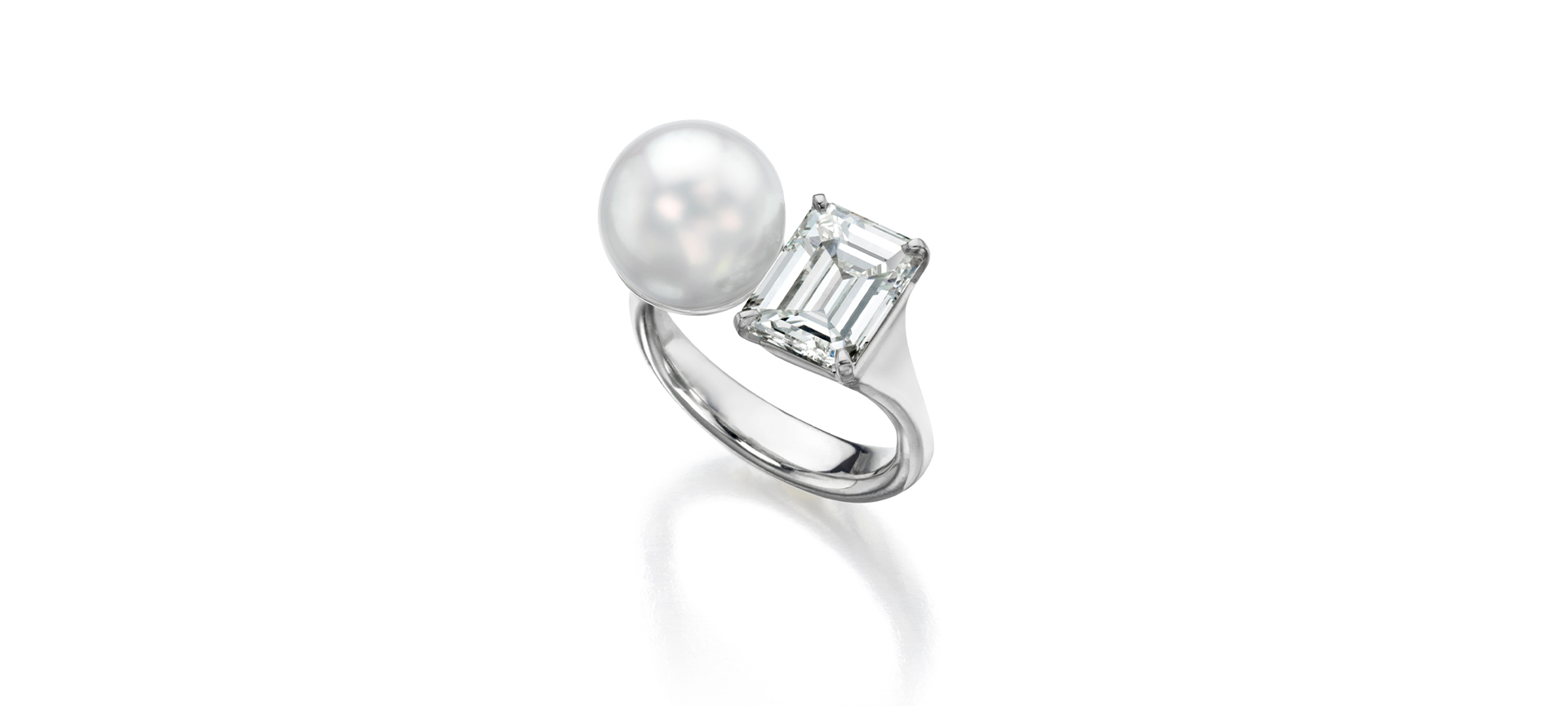
Diamonds vs. Pearls: What are the Similarities and Differences?
Diamonds and pearls have timeless allure. What should you know before choosing between diamonds and pearls?
Settings That Make Your Diamond Engagement Ring Look Bigger 
Engagement ring settings define your style, and add drama and protection to the stone. The right setting and band can also make your diamond look bigger.
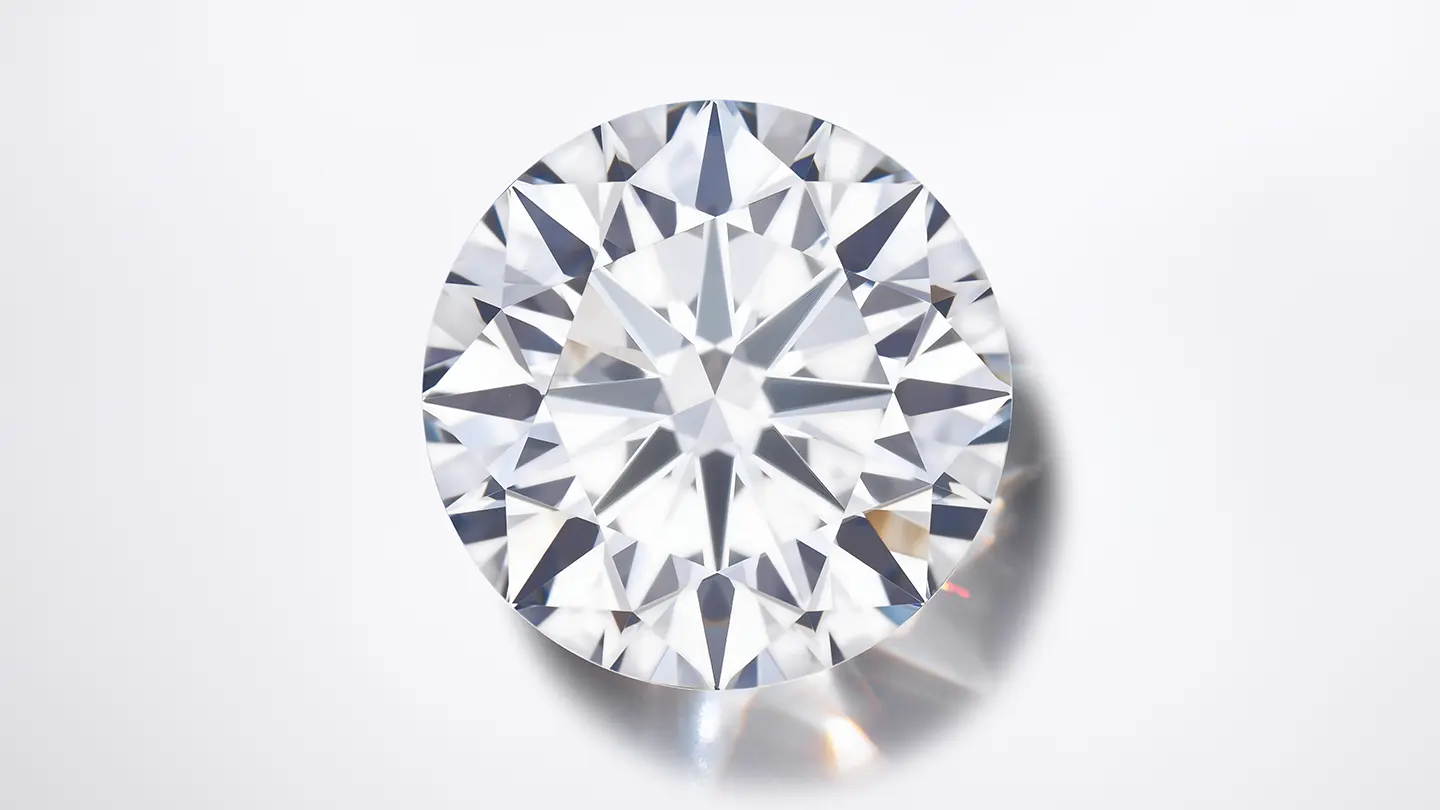
How To Select a Round Brilliant Cut Diamond Engagement Ring
If you’re looking for a round diamond, the round brilliant cut is one of the most popular styles for engagement rings. Here’s what you need to know when choosing a round brilliant or round cut diamond for your engagement ring. 
What is a GIA Diamond?
GIA diamond is a term you’ll find when engagement ring shopping – short for a diamond graded by GIA, the creator of the 4Cs and the independent, diamond authority. Learn more about GIA diamonds and why savvy shoppers rely on GIA.
GIA Diamond Grading
A GIA Diamond Grading Report is the benchmark for expert diamond grading and the best way to ensure accuracy in your next diamond purchase.
Diamond Treatments
There are several ways that diamonds can be treated to enhance or remove their color and improve their clarity. Every GIA grading report lists the presence of any known diamond treatments.
Diamond Color
The GIA D-to-Z Color Scale is used to evaluate the depth of a diamond’s color. The normal color range goes from D for colorless to Z for light yellow, light brown, or light gray, with variations between receiving a color grade.
How to Buy A Diamond
Regardless of which diamond you choose, every purchase should start with accurate information. A GIA diamond grading report ensures that you know exactly what you are buying.
Simulants, Moissanite and Lab-Grown Diamonds
Purchasing a diamond simulant, moissanite or laboratory-grown diamond can be a great option as long as it is an informed decision. Every GIA report scientifically tests each stone to make sure that it is in fact a diamond.
Diamond Origin
Billions of years ago, 100 miles (161 km) or more in the mantle of the earth, pressure, heat, and carbon atoms converged, creating the first diamonds. Hidden for hundreds of millions of years, volcanic activity transported them to the earth’s surface in magma, forming kimberlite pipes in the process.