Please ensure Javascript is enabled for purposes of website accessibility.
Search
Search
Search

GIA 4Cs Diamond Blog

GIA 4Cs Diamond Blog

How to Choose a Reputable Jeweler

When considering the purchase of a gem or piece of jewelry, it is important to find an educated jeweler with a trustworthy reputation. A professional jeweler will have the knowledge and training to help you make an informed purchase. A jeweler with a reliable reputation will strive to understand your preferences,  provide you with a variety of purchase options, and do so in an honest and straightforward way. (more…)

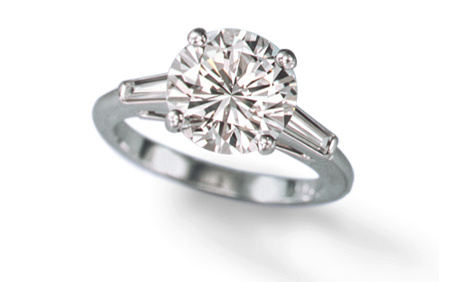
diamond ring
What is a Solitaire Setting?

A diamond solitaire refers to any piece of jewelry with a single diamond. Diamond solitaires can be a ring, necklace, earring or even men’s jewelry. They have come to mark some of the most significant occasions in one’s life, like sweet-sixteen, anniversaries, and the most notable, an engagement proposal. (more…)

anatomy of a diamond
Why Cut Matters (Part 2)

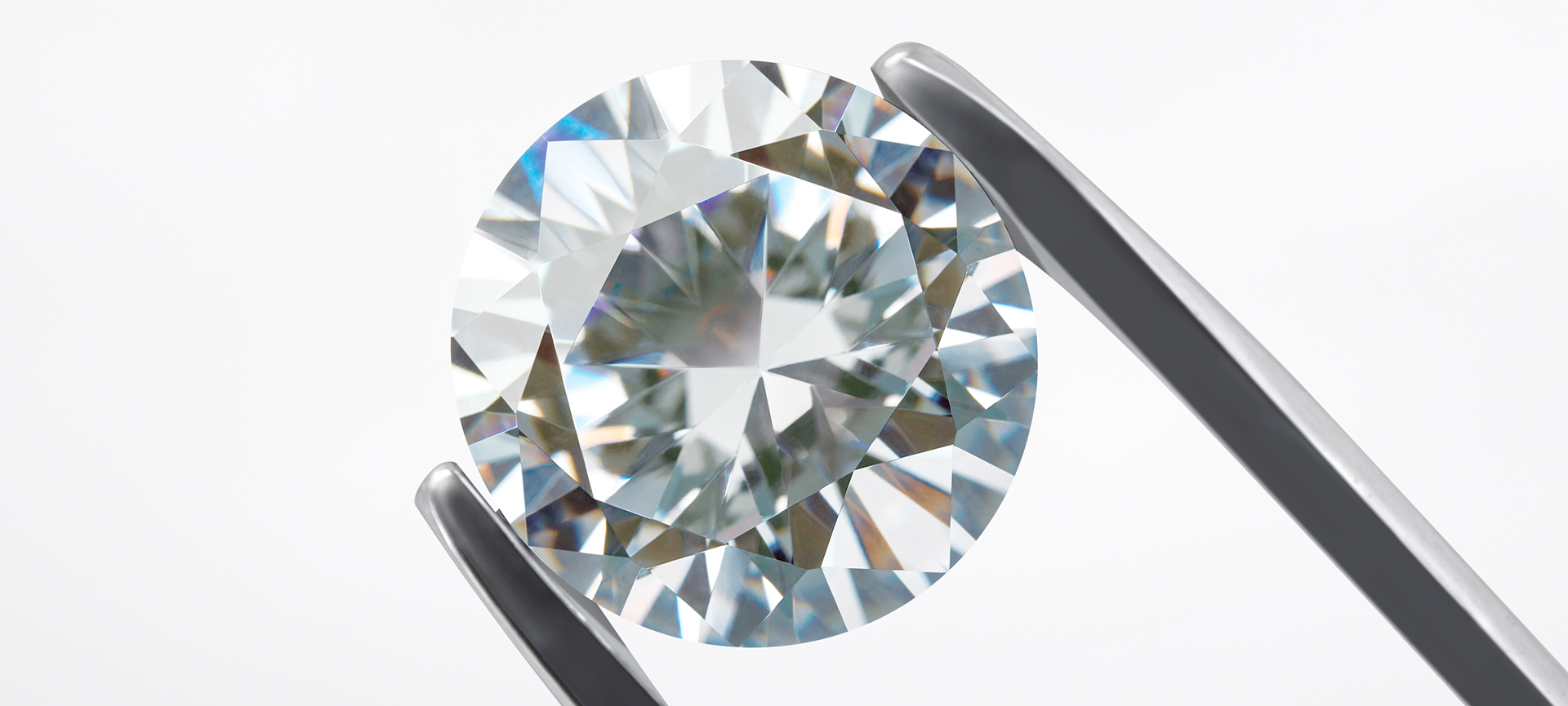
When a diamond interacts with light, every angle and every facet affects the amount of light returned to the eye. The sparkle of a diamond, then, has everything to do with how well the cut of the diamond was planned and executed. Although a diamond’s value is based on its unique combination of color, clarity, cut, and carat weight (the 4Cs), a diamond’s cut is the most complex to assess, and it’s the only component that can be directly affected by the diamond cutter. (more…)

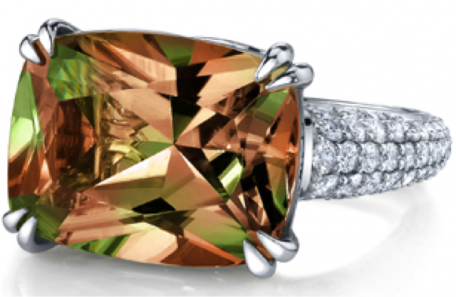
Platinum ring featuring a nearly 13-carat cushion cut zultanite and diamonds.
Zultanite – A Relatively New, Extremely Rare Gemstone Popular in Jewelry Design

Zultanite is an extremely rare gemstone used in jewelry design, and was a popular choice at the 2011 Couture conference, which features the most unique, innovative and inventive jewelry design. Famous jewelry designers such as Stephen Webster, Erica Courtney and Rhonda Faber Green all incorporated zultanite into their collections. Zultanite changes color in light, ranging from a kiwi green with flashes of yellow in sunlight conditions to raspberry hues in candlelight. (more…)

Cut: The 4th C

When you oooh and ahh over a sparkly diamond, to a large extent you’re reacting to its cut. What you want is light to enter through the crown table (the flat part at the top) and go to the pavilion (the pointy part at the bottom), where it reflects from one side to the other, and then back out of the diamond through the crown table. This ensures maximum sparkle and brilliance. Think spectacular laser show! (more…)