With nearly 100 years of research, education and experience, GIA is the authority on diamond, gemstone and pearl reports. When it comes to defining diamond quality, there is no substitute for a GIA grading report.
A GIA Diamond Grading Report is the benchmark for expert diamond grading and the best way to ensure accuracy in your next diamond purchase.
The clarity of a diamond is based on the size, position, visibility and number of inclusions or blemishes. Precise clarity grading is the secret to accurately evaluating a diamond.
The GIA D-to-Z Color Scale is used to evaluate the depth of a diamond’s color. The normal color range goes from D for colorless to Z for light yellow, light brown, or light gray, with variations between receiving a color grade.
GIA’s 4Cs transformed the way diamond quality is determined and communicated, forever changing how diamonds are evaluated, bought and sold. The 4Cs are for everyone. This framework is both a way to better understand your diamond, and to ensure accuracy in the evaluation of your diamond’s unique characteristics.
Regardless of which diamond you choose, every purchase should start with accurate information. A GIA diamond grading report ensures that you know exactly what you are buying.
Purchasing a diamond simulant, moissanite or laboratory-grown diamond can be a great option as long as it is an informed decision. Every GIA report scientifically tests each stone to make sure that it is in fact a diamond.
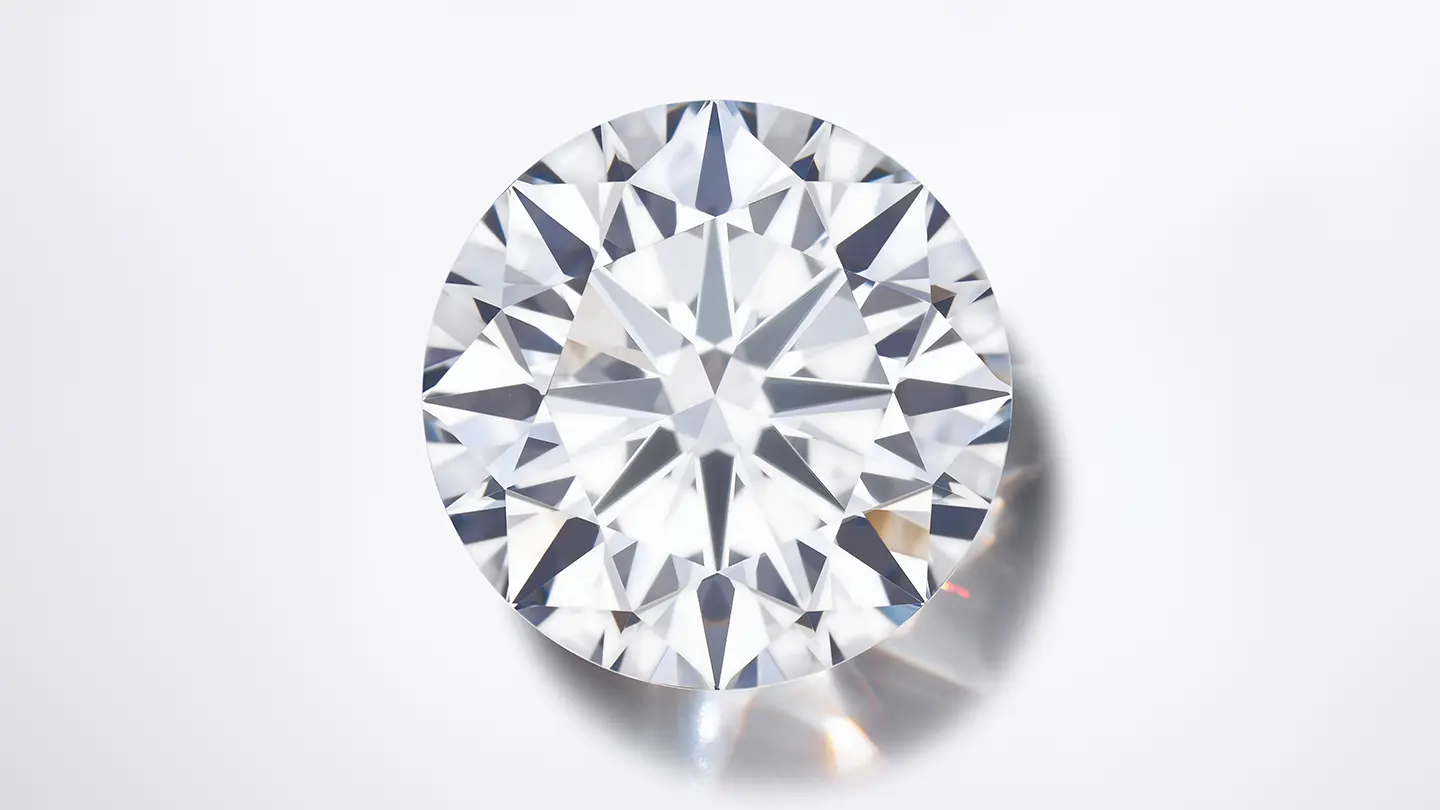
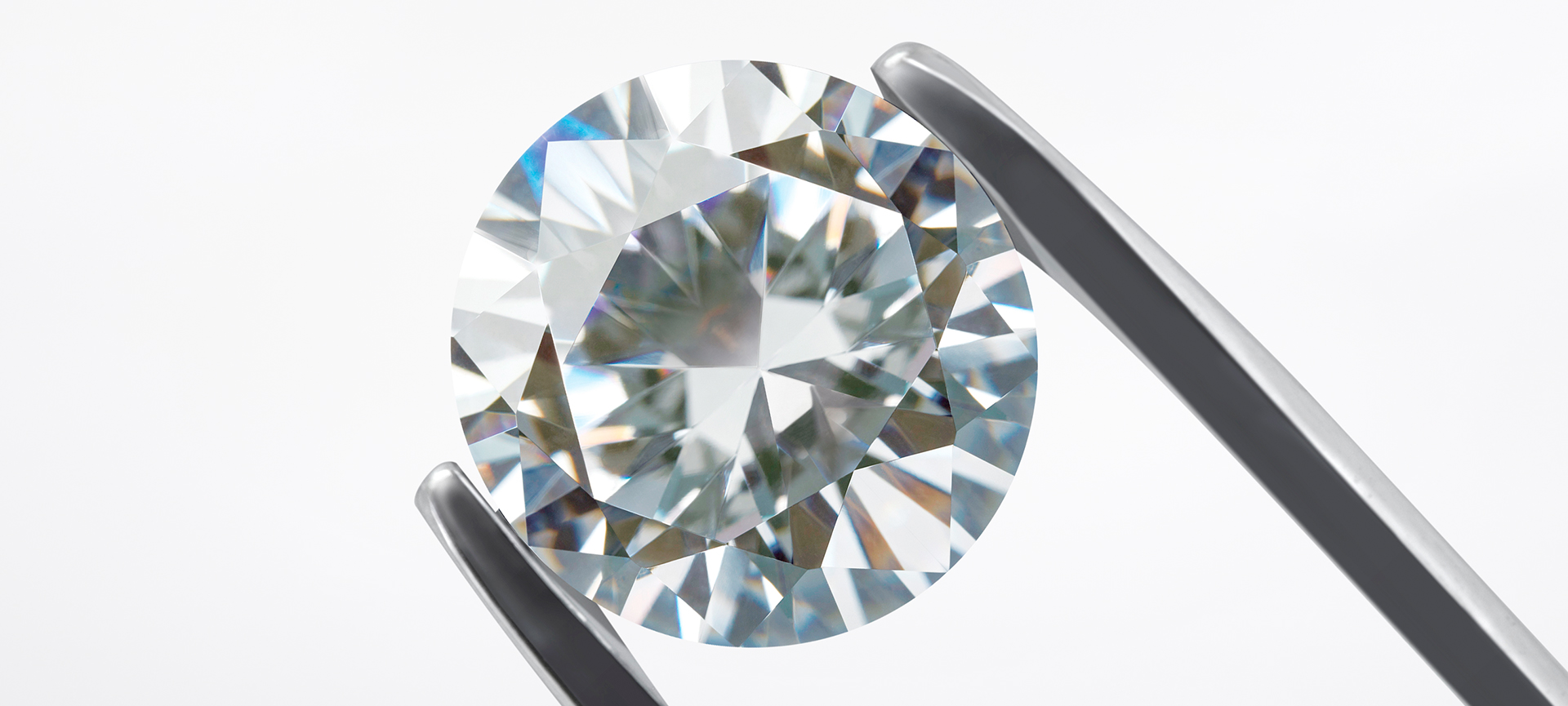
The cut of a diamond is a question of craftsmanship. When you hear words like Brightness, Scintillation and Fire, they describe how masterfully a diamond is cut. A diamond’s cut refers to how it interacts with light.
GIA wrote the book on diamond grading. Color, Clarity, Cut, Carat Weight. Today, the 4Cs scientifically ensure public trust in our industry.