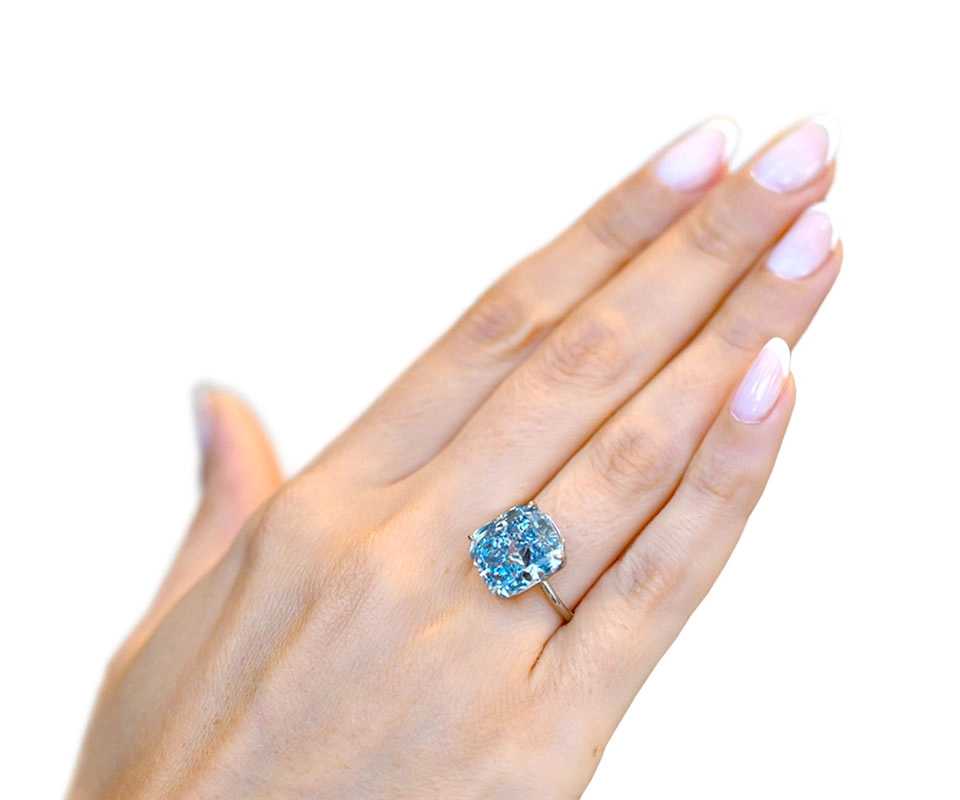
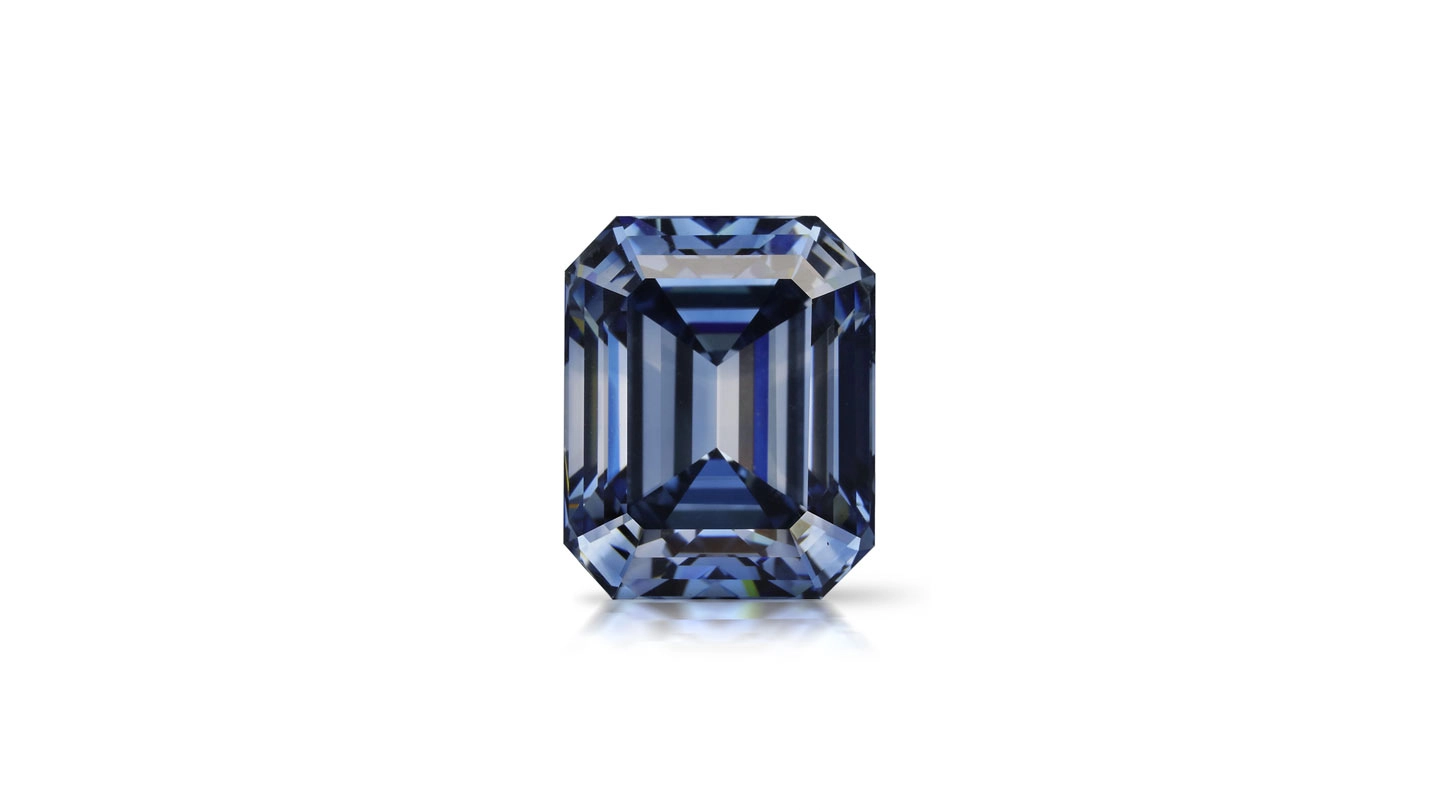
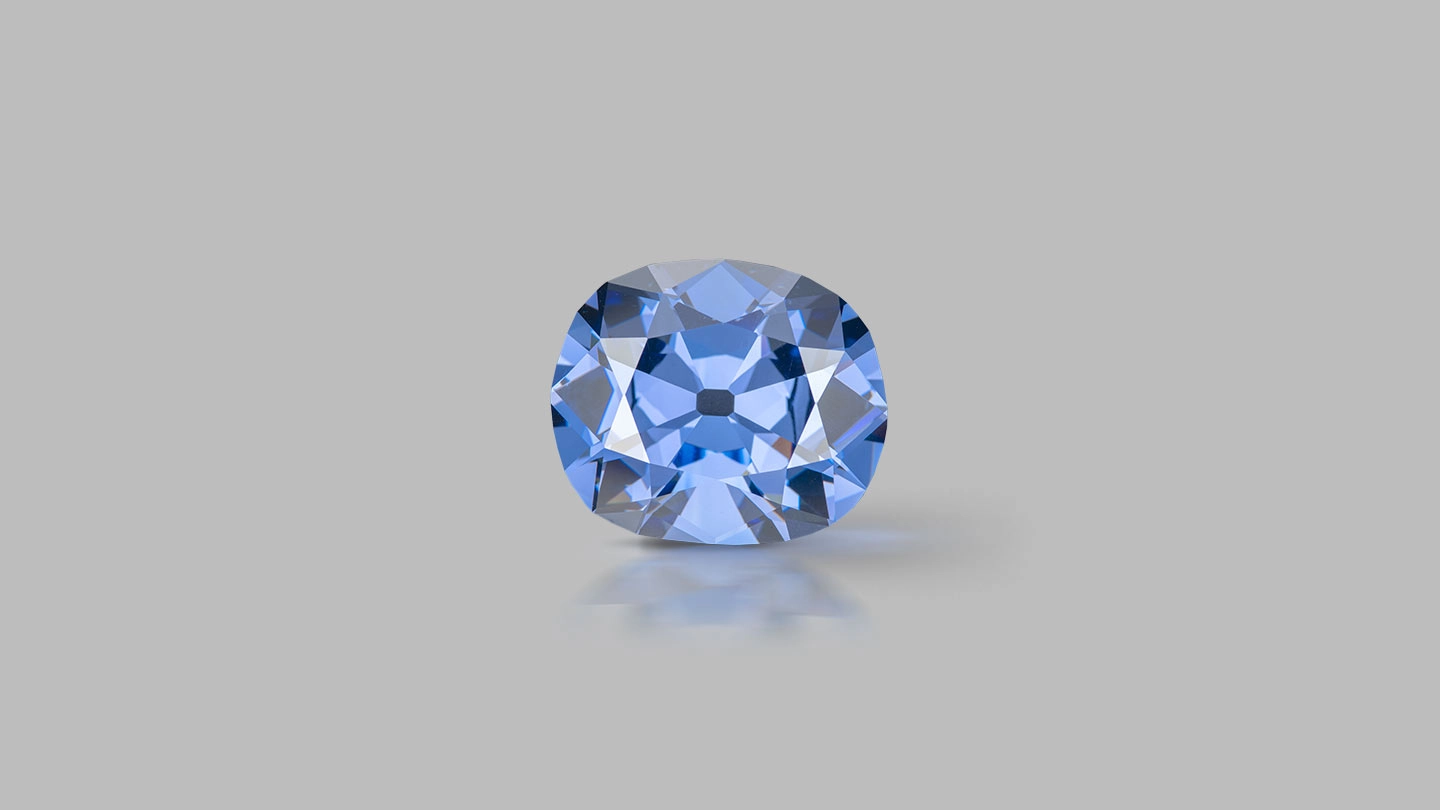
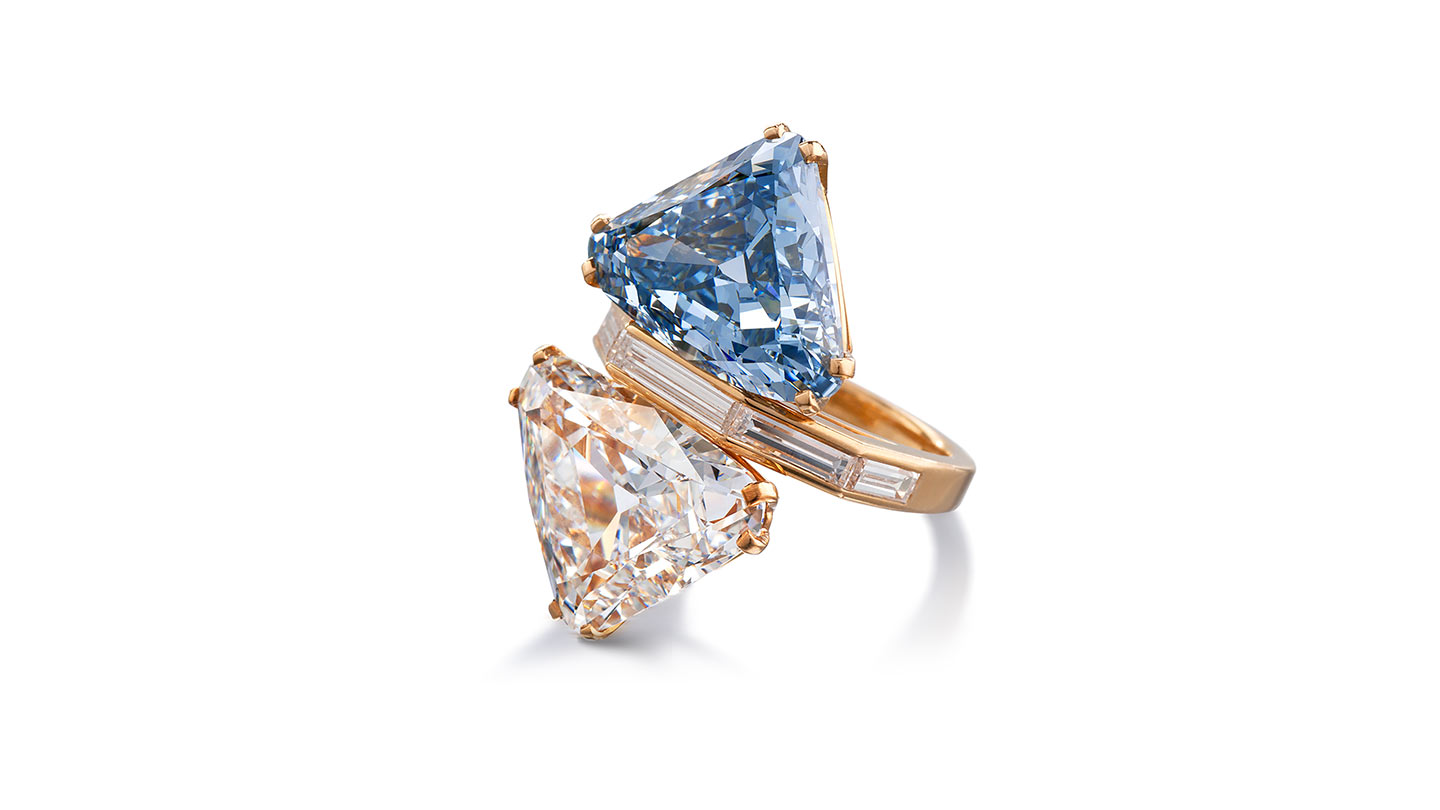
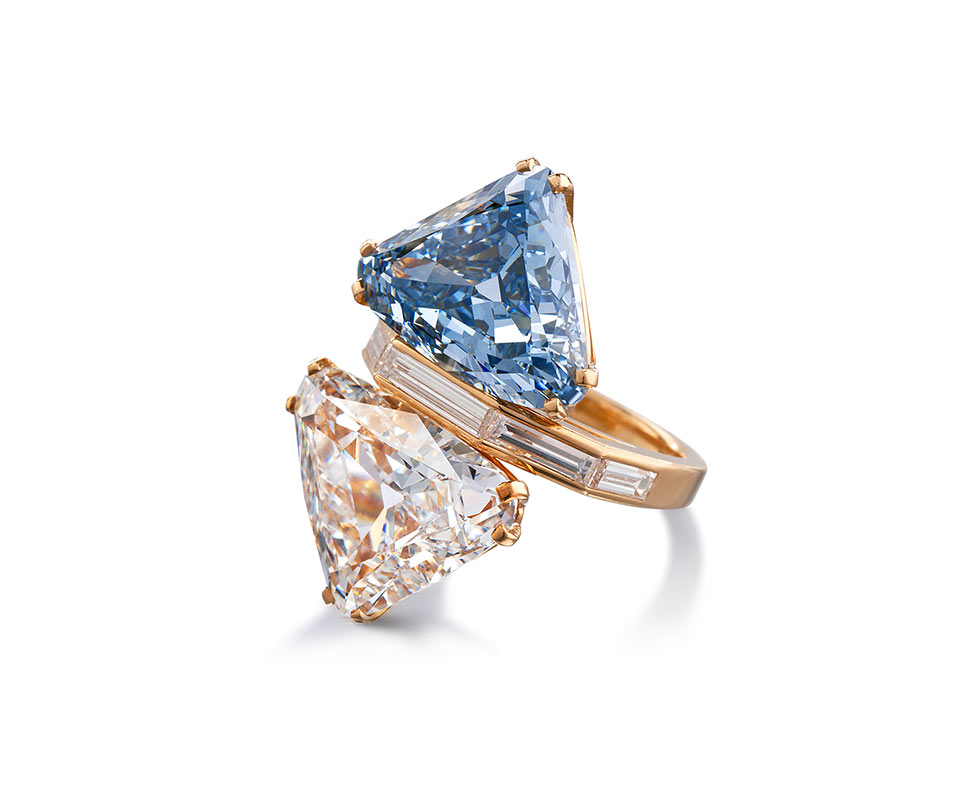
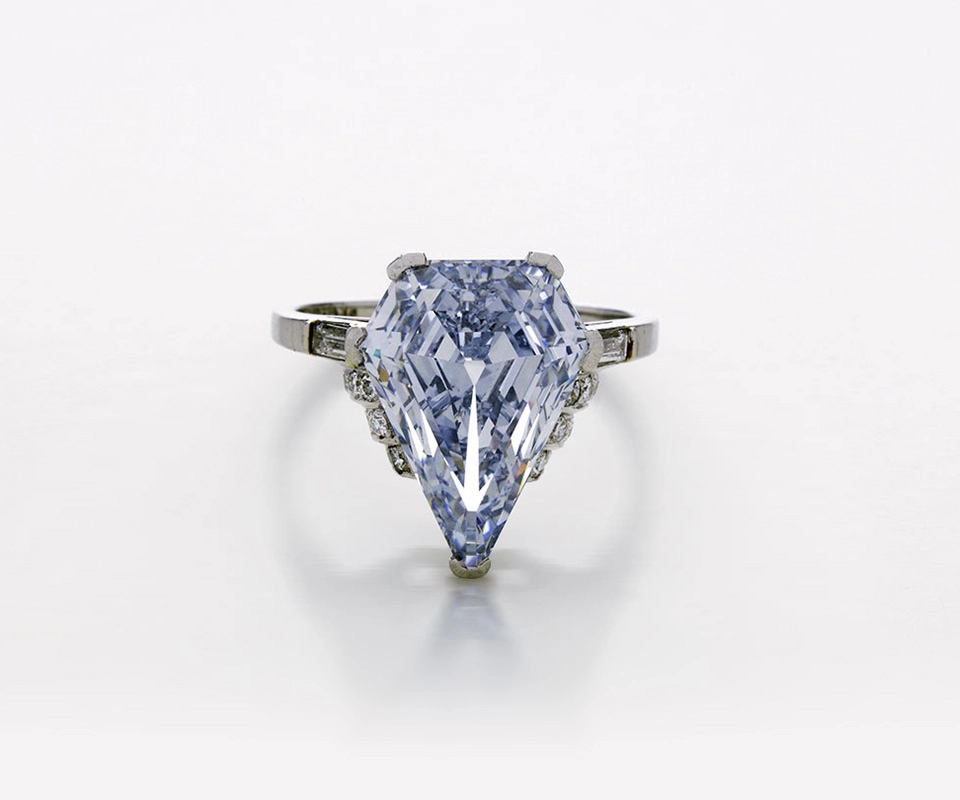
Blue diamonds are among the rarest and most mesmerizing gemstones on Earth—prized not only for their striking beauty but also their rich history and mystique. Found primarily in a handful of mines around the world, including South Africa’s famed Cullinan mine and India’s Golconda region, blue diamonds require processing enormous amounts of ore to uncover just one gem, making each discovery truly extraordinary.
Beloved by collectors and jewelry connoisseurs alike, blue diamonds symbolize hope, wisdom and faith—qualities immortalized by some of the most famous stones, like the legendary Hope Diamond. Their scarcity, combined with their captivating color, drives their exceptional value in the market.
In this guide, we’ll explore the fascinating origins, profound symbolism and enduring allure of blue diamonds.
How Rare Are Blue Diamonds?
Blue diamonds are among the rarest and most valuable gemstones, with prices varying widely based on factors like color intensity, carat weight and clarity. Because blue diamonds represent less than 0.02% of all diamonds found worldwide, their scarcity—particularly in larger sizes and premium color grades—helps them hold their value or even increase in value over time.
At the highest end of the spectrum, Fancy Vivid Blue diamonds can cost anywhere from $50,000 to over $500,000 per carat, with exceptional stones exceeding $1 million per carat. This steep price increase reflects the extraordinary rarity and desirability of quality blue diamonds. Their beauty and association with exclusivity ensure strong demand in secondary markets, such as auctions and private sales. Whether worn as a stunning statement piece or preserved as a collector’s treasure, they provide both personal enjoyment and long-term investment potential as rare and enduring assets.
Where Are Blue Diamonds Found?
Historically, India was the original source of some of the world’s most famous blue diamonds, including the legendary Hope Diamond and the Wittelsbach-Graff Diamond.
In more recent years, the Cullinan Mine in South Africa has gained prominence for producing remarkable blue diamonds such as the Cullinan Dream. Alongside Cullinan, other South African mines have also yielded notable blue diamonds, reinforcing the region’s reputation as a leading source of these rare gems.
Blue diamonds have occasionally been discovered in other parts of the world as well, including the Argyle mine in Australia, Sierra Leone in West Africa, the island of Borneo near Indonesia and Brazil in South America. While less common, these finds highlight the diverse geological origins of blue diamonds globally.
How Are Blue Diamonds Graded?
Like colorless diamonds, blue diamonds are evaluated based on the 4Cs: color, clarity, cut and carat weight. However, because of their unique coloration and rarity, certain factors carry different weight when determining their overall value.
Color
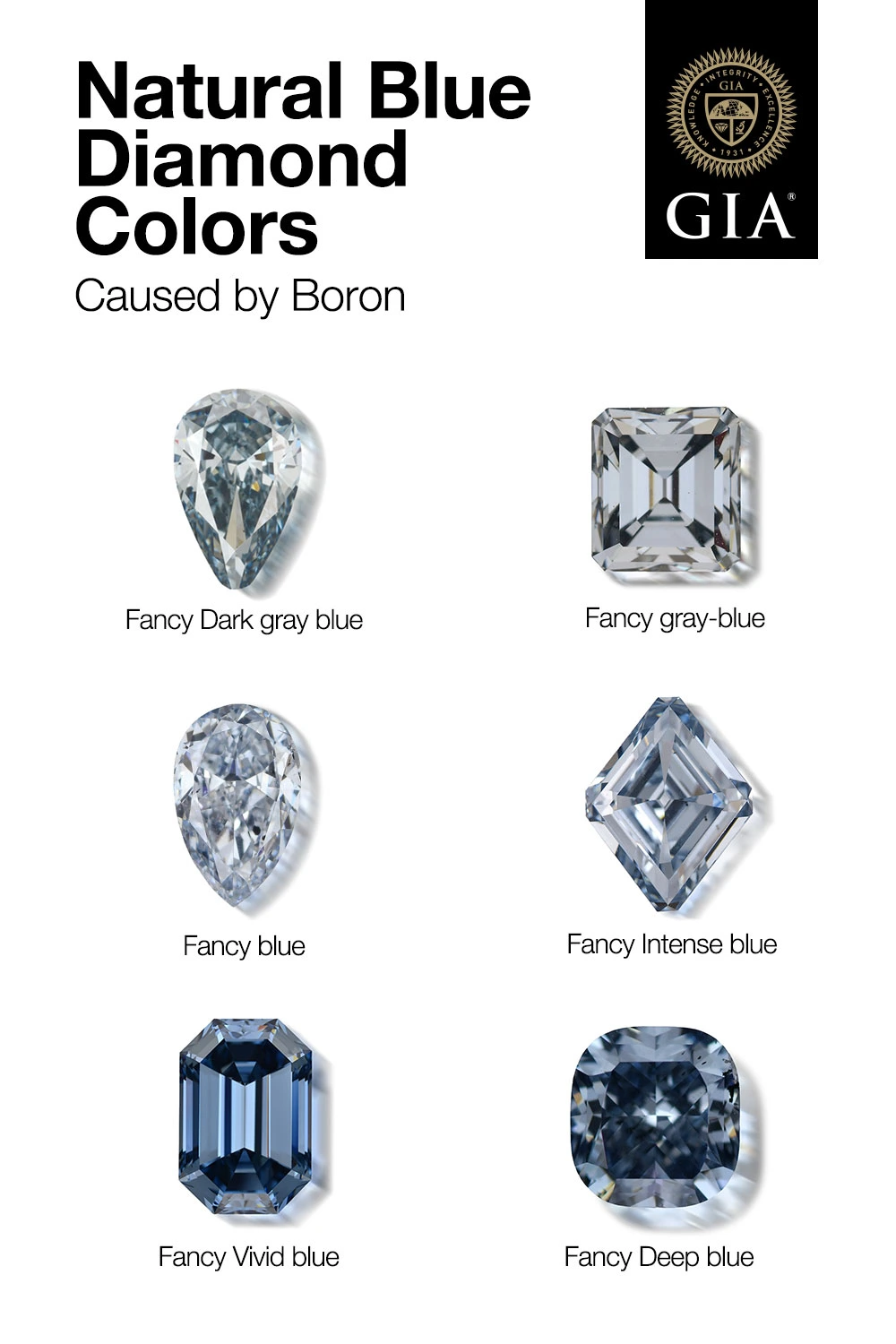
The color of a blue diamond is its most important attribute and is assessed based on three key components: hue, tone and saturation. The most desirable blue diamonds display a pure blue hue with strong saturation and minimal secondary colors. Diamonds exhibiting a vivid blue color grade typically command the highest prices. The presence of secondary hues, such as gray, can sometimes reduce the diamond’s value.
The Gemological Institute of America (GIA) grades blue diamonds on a scale that includes:
- Faint
- Very Light
- Light
- Fancy Light
- Fancy
- Fancy Intense
- Fancy Vivid
- Fancy Deep
- Fancy Dark
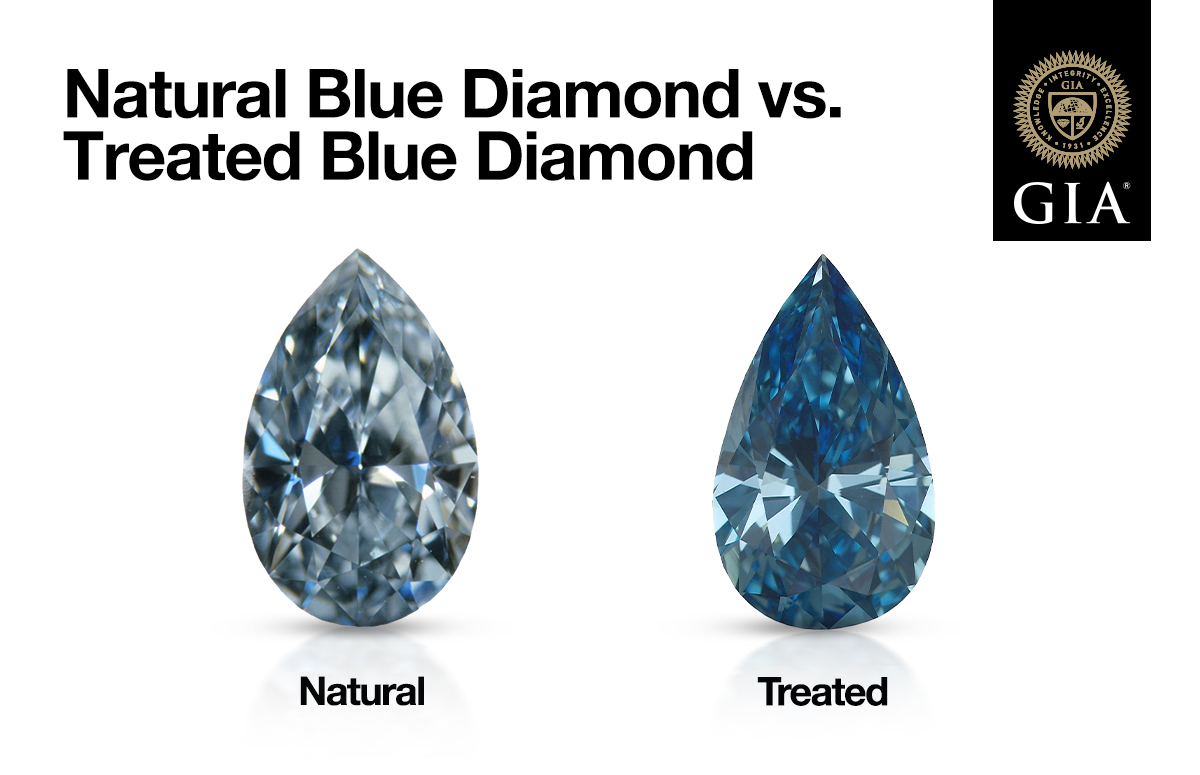
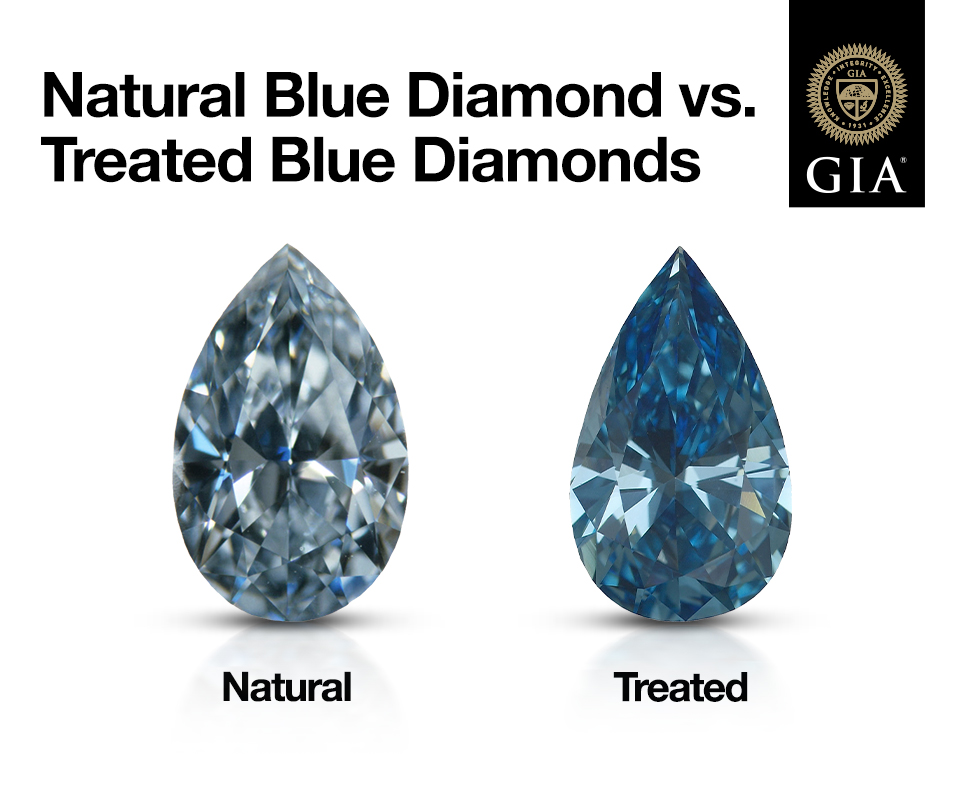
Among these, Fancy Vivid Blue diamonds are the most sought after, and Fancy Deep Blue diamonds are the rarest. GIA Natural Colored Diamond Reports will indicate whether a diamond’s blue color is natural or treated and the evenness of the color distribution.
Cut
Blue diamonds don’t receive formal cut grades (like “Excellent” or “Very Good”) on GIA reports, no matter their cut style. However, the quality of the cut still plays a critical role in the stone’s appearance and value.
Key aspects in the cut of a blue diamond include:
- Symmetry: This refers to how precisely the facets are aligned and proportioned. Good symmetry ensures even color distribution and a balanced, visually pleasing shape.
- Polish: Polish measures the smoothness of the diamond’s surface. A high-quality polish enhances the diamond’s luster and sparkle, making the color appear more vibrant and refined.
- Proportions: While colorless diamonds are cut to maximize brilliance, blue diamonds are often cut to optimize color. This may mean slightly different proportions (like deeper pavilions or thicker girdles) to retain and display the strongest possible hue.
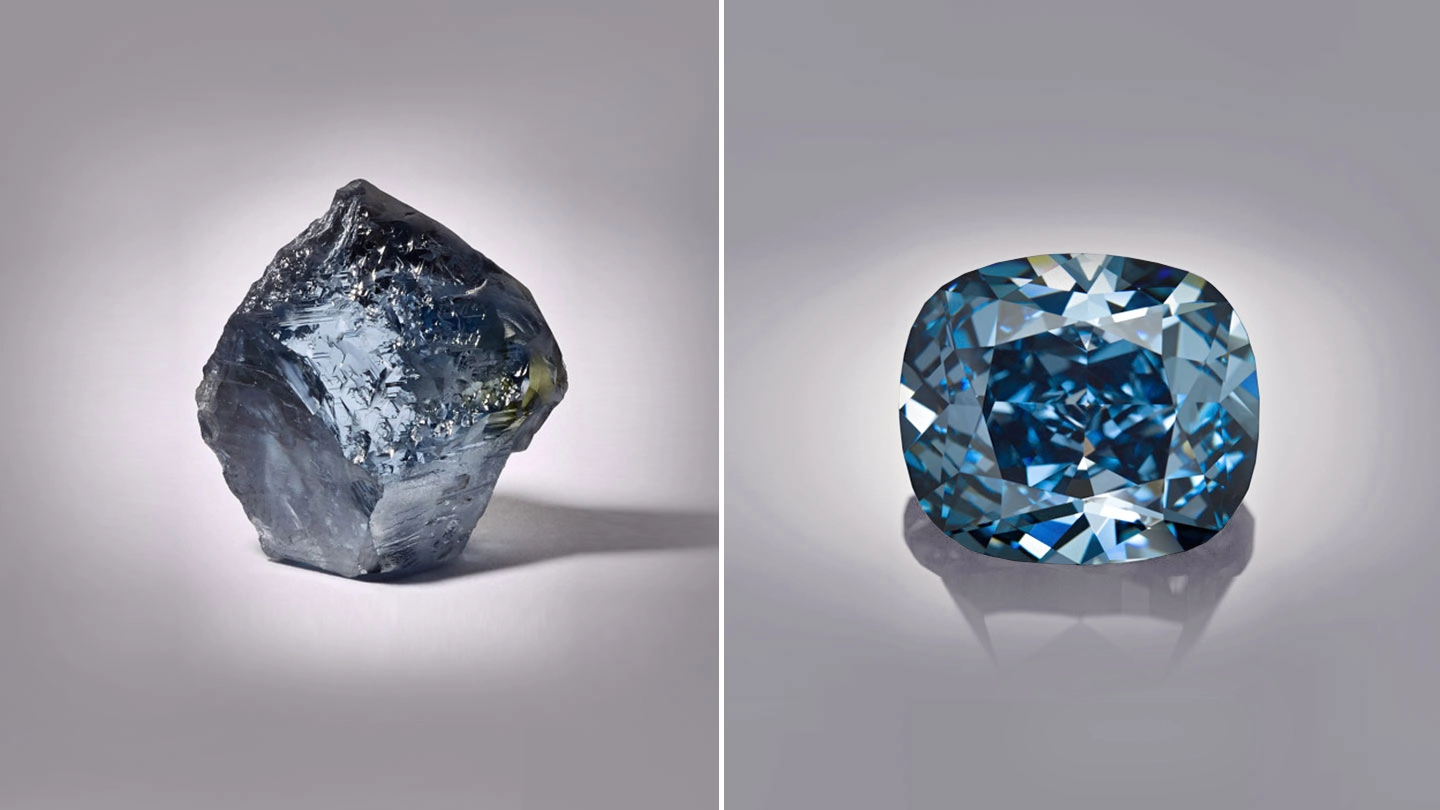
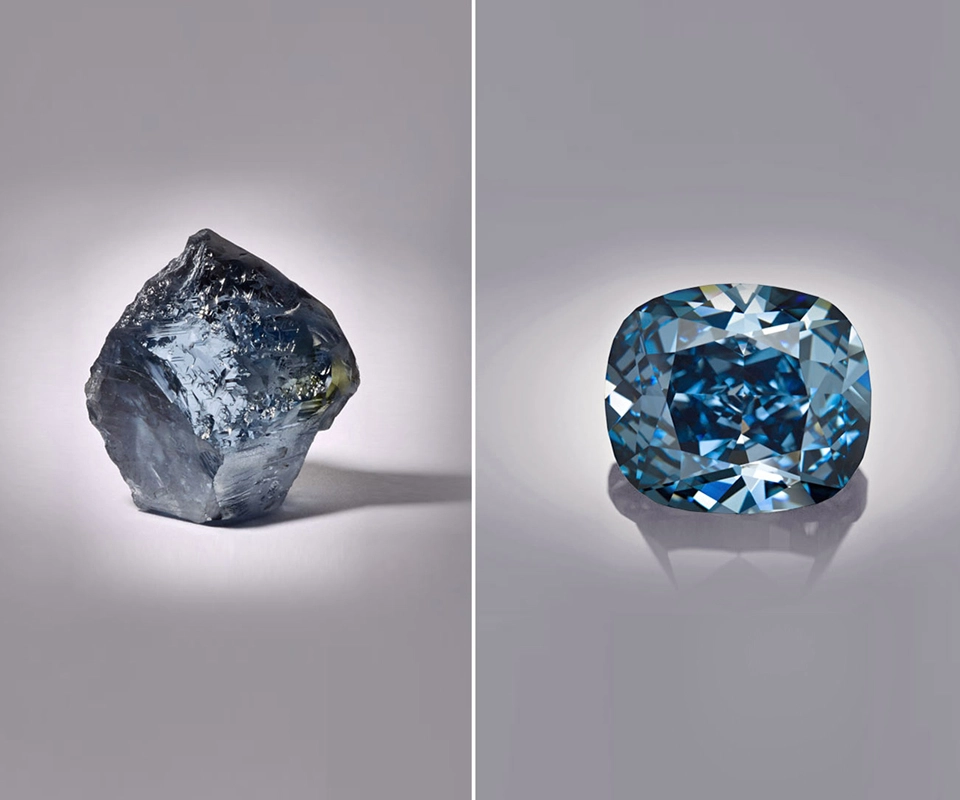
- Shape and Cut Style: Blue diamonds are undeniably beautiful, but they also present unique challenges when it comes to cutting and polishing. Blue diamond crystals are often asymmetrical and may exhibit color zoning—areas where the color is unevenly distributed. Cutters must determine the optimal shape that will bring out the best color while preserving as much carat weight as possible. Achieving that perfect balance is a delicate and complex process. Even a slight misjudgment can result in a loss of both value and visual appeal.
Understanding these hidden complexities offers a deeper appreciation for the craftsmanship behind every finished blue diamond. If you’re intrigued by these rare gems, GIA’s Gem Encyclopedia offers an in-depth look at colored diamonds and the science behind their beauty.
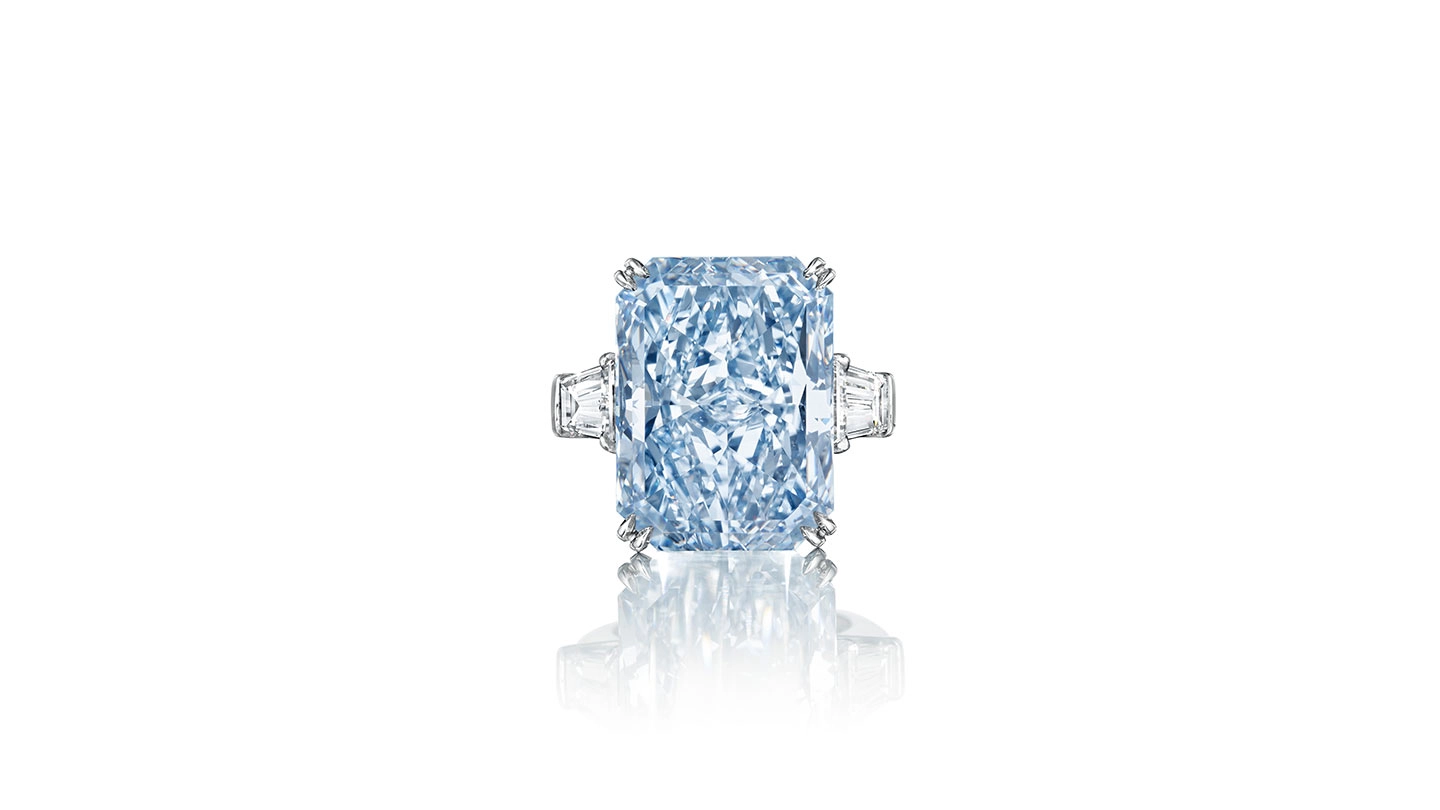
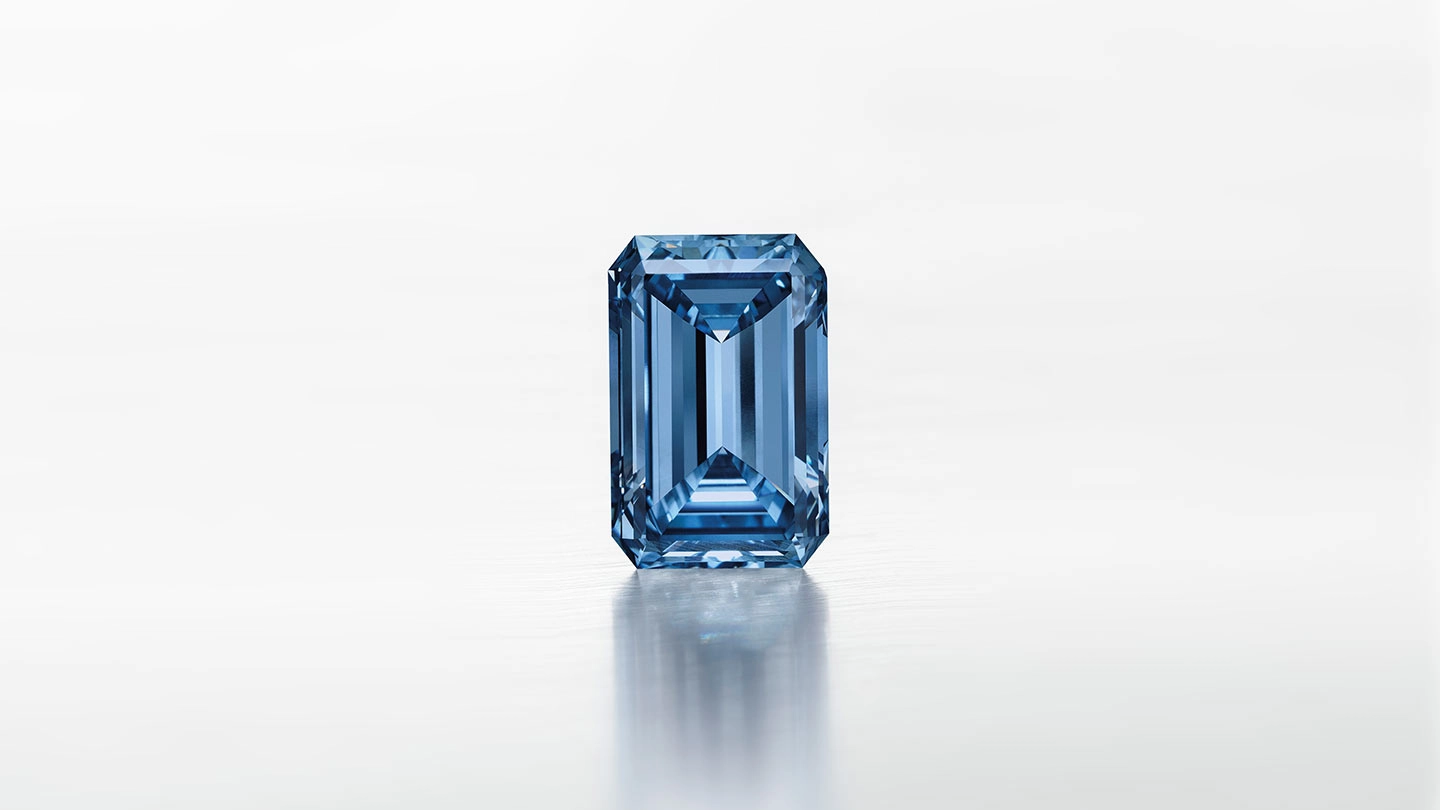
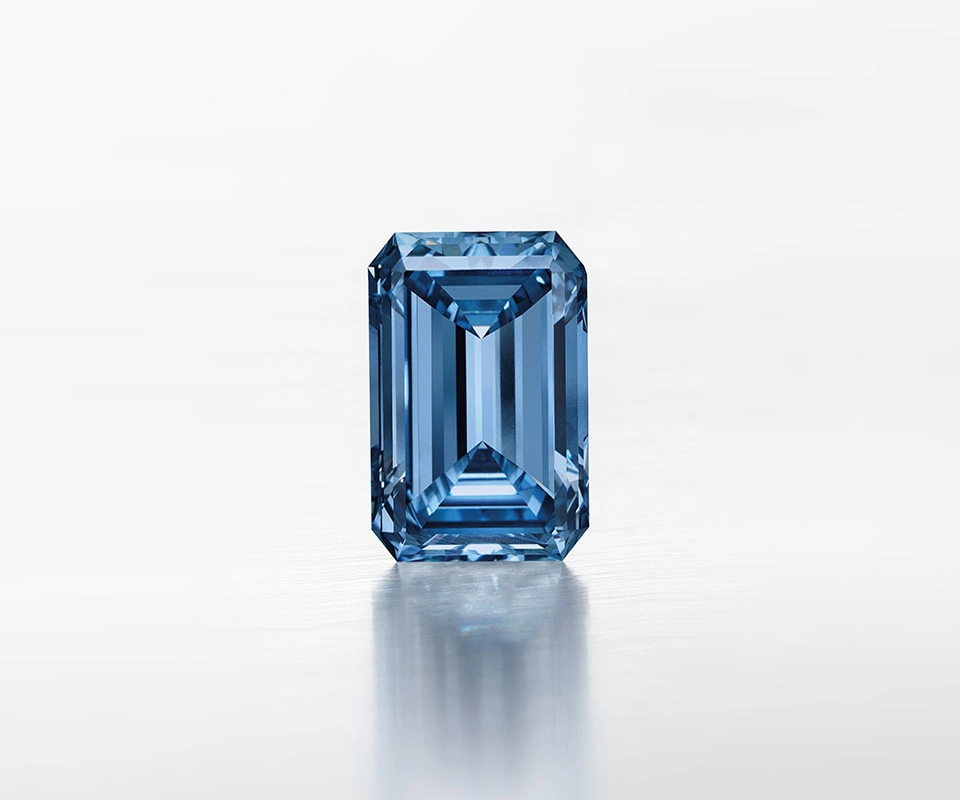
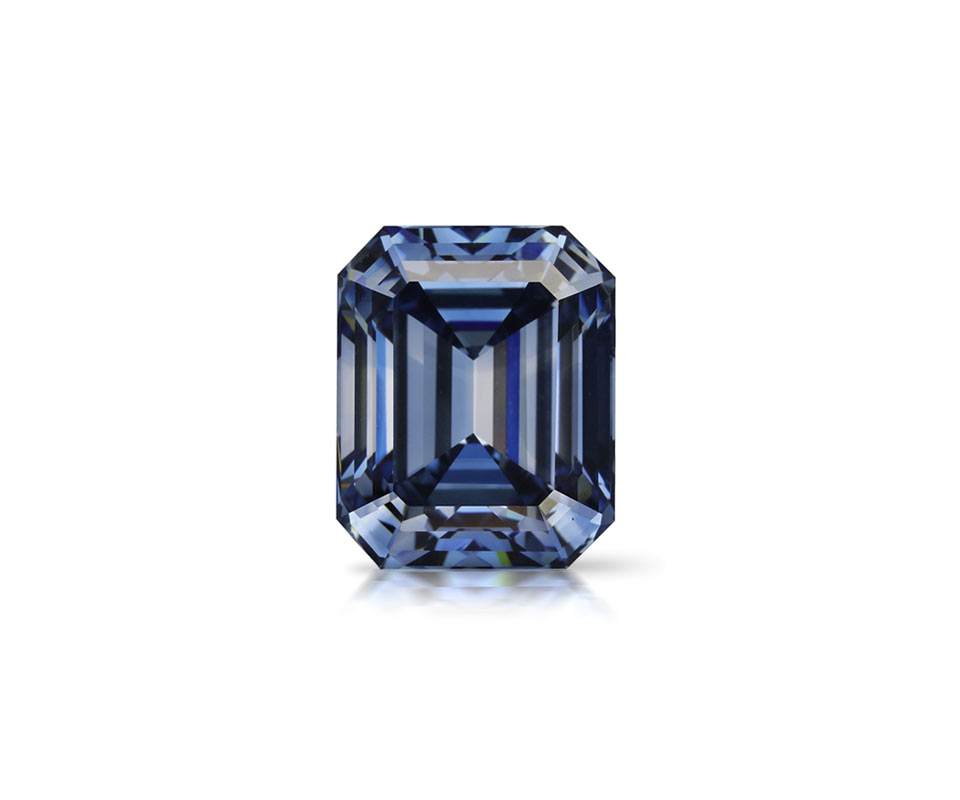
The most popular blue diamond cut styles include emerald and cushion cut.
A well-cut blue diamond will:
- Showcase the color evenly and attractively
- Maximize brilliance and fire without sacrificing color intensity
- Avoid dead zones (areas lacking sparkle or color)
Ultimately, cut quality in blue diamonds is a balance of color presentation, carat weight and light performance—and skilled craftsmanship makes a significant difference.
Clarity
Clarity refers to how clean a diamond is—specifically, whether it has any tiny internal marks (inclusions) or surface imperfections (blemishes). These natural features formed during the diamond’s creation deep within the Earth. Minor ones may not be noticeable but obvious ones may affect the beauty and, in some cases, even the durability of the gem.
GIA’s Clarity Scale consists of categories ranging from Flawless to Included and contains 11 specific grades:
- Flawless (FL) – no inclusions or blemishes visible under 10x magnification
- Internally Flawless (IF) – no inclusions, only minute surface blemishes under 10x magnification
- Very Very Slightly Included (VVS1 and VVS2) – minute inclusions and blemishes
- Very Slightly Included (VS1 and VS2) – minor inclusions and blemishes
- Slightly Included (SI1 and SI2) – noticeable inclusions and blemishes
- Included (I1, I2 and I3) – inclusions are visible to the naked eye and may affect durability
While clarity plays a role in evaluating blue diamonds, it is generally less critical than color—especially when compared to colorless diamonds. This is because blue diamonds are much rarer and because the saturation and depth of the blue color can mask minor inclusions, making them harder to observe.
That said, higher clarity grades still positively impact value, particularly in larger stones and those with Fancy Intense, Fancy Vivid or Fancy Deep color grades. These rare combinations—strong color, high clarity and large size—are extremely desirable and command premium prices.
On the other hand, diamonds with noticeable inclusions (in the center of the diamond or significant enough to affect transparency) may see a significant drop in value, even if the color is strong.
Carat Weight
Large blue diamonds, particularly those over 2.00 carats, are exceptionally rare—especially when graded as Fancy Intense, Fancy Vivid or Fancy Deep Blue, the highest and most valuable color grades. As carat weight increases, so does the rarity, and prices tend to rise steeply with each additional carat. These larger stones are often considered investment-grade gems and are frequently sold at high-profile auctions.
Exceptional blue diamonds over 10 carats are among the rarest and most famous gemstones in the world. Iconic examples include the Blue Moon of Josephine (12.03 carats), the Oppenheimer Blue (14.62 carats), the legendary Hope Diamond (45.52 carats), and the Wittelsbach-Graff Diamond (31.06 carats). These stones are celebrated not only for their size and color, but also for their provenance and historical significance.
It’s worth noting that most natural blue diamonds available on the market today are under 2 carats. In contrast, treated blue diamonds—which are color-enhanced through processes like HPHT treatment or irradiation—are more commonly found in a wider range of sizes.
Blue Diamond Alternatives
Laboratory-Grown Blue Diamonds
Synthetic blue diamonds, also known as lab-grown or lab-created blue diamonds, are produced using advanced technology in laboratories and factories. These diamonds share similar chemical composition, crystal structure and physical properties as natural diamonds.
There are two primary methods for creating laboratory-grown diamonds: High Pressure, High Temperature (HPHT) and Chemical Vapor Deposition (CVD). In the HPHT method, a small diamond seed is subjected to extreme heat and pressure—conditions imitating those deep within the Earth—causing carbon to crystallize around it. In the CVD method, carbon atoms from a gas (usually methane) are deposited layer by layer onto a diamond seed in a vacuum chamber. The blue color in lab-grown diamonds is usually produced either by adding boron during the growth process or through post-growth treatments.
Laboratory-grown blue diamonds are generally much more affordable than natural blue diamonds because they can be produced in large quantities and with greater control over color intensity, clarity and carat size. As a result, lab-created blue diamonds often cost a fraction of their natural counterparts.
It is important to note that reputable jewelers always clearly disclose whether a diamond is laboratory-grown or treated, and reports from recognized gemological laboratories like GIA can help verify the diamond’s identity and quality.
Natural Blue Diamond Alternatives
Sapphire is the most durable alternative. With a Mohs hardness of 9, it’s second only to diamond in hardness among natural gemstones and well-suited for everyday wear. Blue sapphires owe their color to trace amounts of iron and titanium, creating hues from cornflower to velvety royal blue. Fine stones from Kashmir, Myanmar (formerly Burma), and Sri Lanka are especially prized for their vivid, glowing color.
Blue spinel, particularly cobalt spinel, is a rare gem renowned for its vivid, electric blue color caused by traces of cobalt in its crystal structure. Natural cobalt spinel displays a pure, medium-to-saturated blue. With a hardness of 8, it offers excellent durability and brilliance, making it one of the most desirable blue gemstones among collectors.
Aquamarine is a light to medium blue variety of beryl. It often shows subtle green undertones that evoke the color of clear tropical seas. With a hardness of 7.5 to 8, aquamarine is durable enough for regular wear. Its availability in large sizes makes it ideal for statement jewelry.
Blue zircon (a natural mineral distinct from cubic zirconia) is celebrated for its extraordinary brilliance and fire. Ranging from sky blue to teal, blue zircon has a hardness of 6.5 to 7.5 and should be worn with care and protected from hard knocks.
Tanzanite, found only in Tanzania, exhibits a striking mix of blue and violet tones that shift with the light. Its intense, mesmerizing color makes it one of the most recognizable modern gemstones, though with a hardness of 6 to 7, it is best suited for pendants or occasional-wear rings.
Blue Diamond Simulants
Blue diamond simulants are imitation gemstones designed to replicate the appearance of natural blue diamonds but that do not share the same chemical composition or physical properties. Common types of blue diamond simulants include blue moissanite and blue cubic zirconia.
Blue moissanite is a lab-created gemstone composed of silicon carbide. It’s prized for its exceptional brilliance and fire, which surpasses even that of a diamond. Its rainbow-like sparkle can appear “disco ball-like” compared to the diamond’s more sublte scintillation, particularly in larger stones.
The blue color in moissanite is achieved through treatments, often resulting in vibrant and highly saturated hues, but the color may lack the subtle tonal variations found in natural blue diamonds. Moissanite is very hard (9.25 on the Mohs scale compared to diamond’s 10) and durable, making it an excellent, long-lasting option.
Blue cubic zirconia (CZ) is a widely used diamond simulant that is quite affordable. However, CZ has a lower refractive index (about 2.15–2.18) than diamond (2.42), which means it sparkles less and often appears glassier with strong flashes of blue or orange. Natural blue diamonds tend to display greater color complexity, often with subtle undertones of gray, green or violet. Blue CZ, on the other hand, is typically produced through coating or trace-element doping to achieve its color, resulting in a uniform appearance.
CZ, while hard at 8.5 on the Mohs scale, is more prone to scratching than diamond. And while diamonds are precisely cut to maximize brilliance and symmetry, CZ stones may not receive the same level of craftsmanship, due to lower profit margins.
While blue diamond simulants can offer an attractive look at a fraction of the cost, they lack the lasting value, durability and prestige of natural blue diamonds. It’s important for buyers to understand these differences and receive proper disclosure when purchasing simulants.
Blue Diamond Meaning & Symbolism
Symbolism
Blue diamonds are admired not only for their stunning beauty but also for the aura of mystery they carry. Their deep, captivating blue hues evoke the vastness of the ocean and night sky, drawing people in with a sense of the unknown.
Symbolically, blue represents calmness, trust, loyalty and wisdom—qualities that make blue diamonds especially meaningful for engagement rings and momentous gifts. Many also see these gems as embodying a deeper, almost mystical connection to intuition and inner strength. In modern times, blue diamonds have become increasingly popular choices for engagement rings and romantic gifts, cherished for their rarity and unique beauty.
History
Royal Associations
Throughout history, blue diamonds have captivated royalty and nobility around the world. These prestigious gems have graced the crowns, tiaras and personal jewelry collections of kings, queens and aristocrats.
One of the most famous blue diamonds associated with royalty is the Hope Diamond, which was a part of the French crown jewels. Another notable example is the Wittelsbach-Graff Diamond, a rare blue diamond with royal roots dating back to the Bavarian and Austrian royal families and worn by European nobility for centuries.
Blue diamonds also entered popular culture through famous figures such as Shirley Temple, the beloved child star who owned a 9.54-carat Fancy Deep Blue diamond ring, which she famously wore when she was sworn in as a United Nations delegate in 1969. This connection helped bring the gem’s mystique and glamour to a wider audience beyond royal courts.
Famous Blue Diamonds
Throughout history, a few iconic blue diamonds have become symbols of royalty and intrigue.
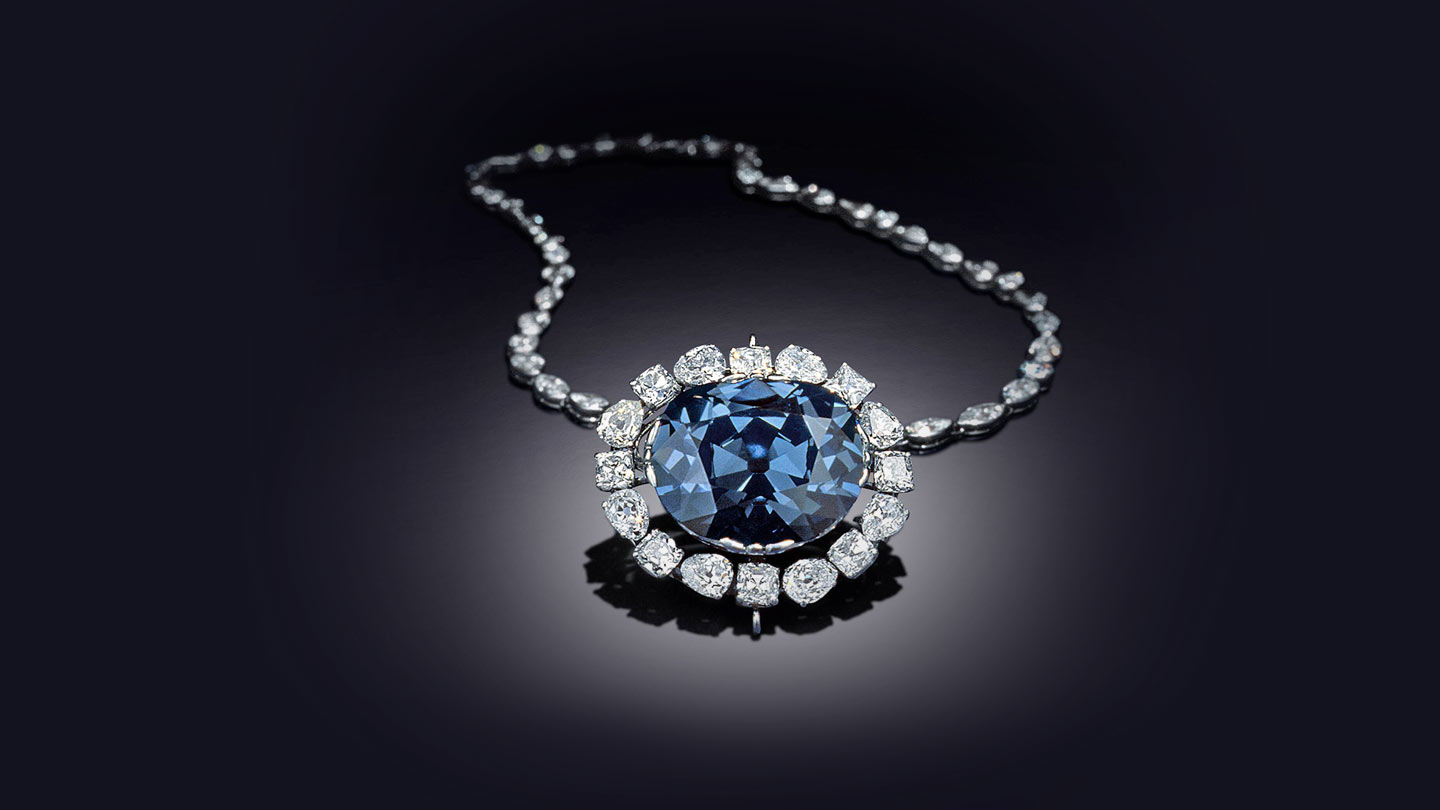
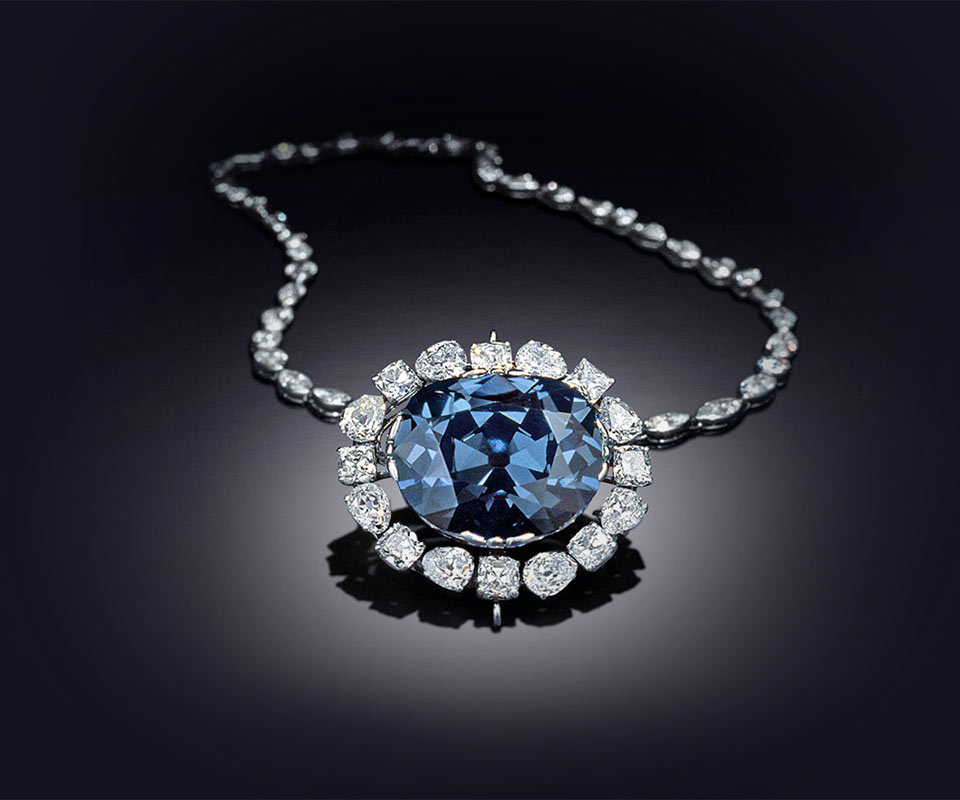
The Hope Diamond, The Most Famous Blue Diamond in the World
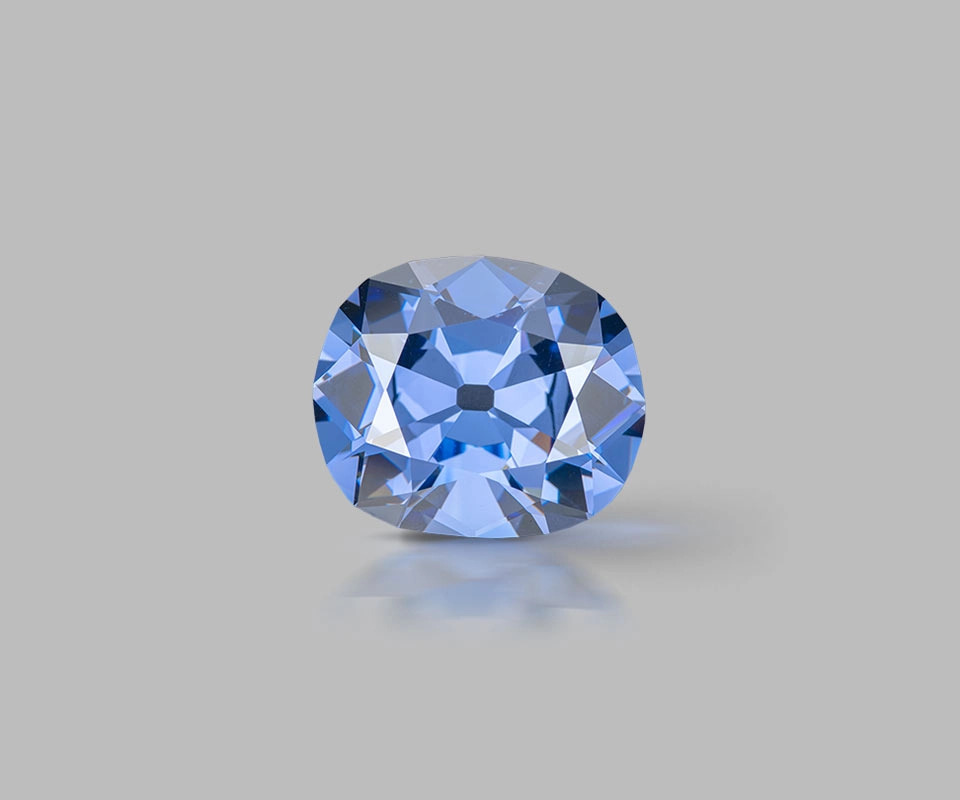
The Hope Diamond is arguably the most famous blue diamond in the world, shrouded in mystery, legend and tales of misfortune. Renowned for its stunning size, deep blue color, and striking red phosphorescence, this extraordinary gem has captivated the imagination for centuries. It was confirmed through 3D modelling to have originated from the French Blue, a larger diamond that once belonged to the French crown jewels.
Originally from India, it was brought to Europe in the 17th century as the ~115-carat Tavernier Blue and sold to King Louis XIV of France. This precious gem was later recut into the ~69-carat French Blue, which became a prized jewel of the French monarchy and owned by figures such as Louis XVI, the ill-fated king whose life ended during the French Revolution. During the chaos of the Revolution in 1792, the crown jewels were stolen and the French Blue disappeared. It was recut into a smaller stone, most likely to avoid detection. After resurfacing in the 19th century, the now 45.52-carat blue diamond was purchased by collector Henry Philip Hope in 1830, whose name it proudly bears today.
The Hope diamond’s history is filled with rumors of a curse, with stories linking it to the misfortunes and untimely deaths of some of its owners, including prominent American socialite Evalyn Walsh McLean. Despite—or perhaps because of—these legends, the Hope Diamond has become one of the most iconic and captivating blue diamonds in existence.
Wittelsbach-Graff Diamond
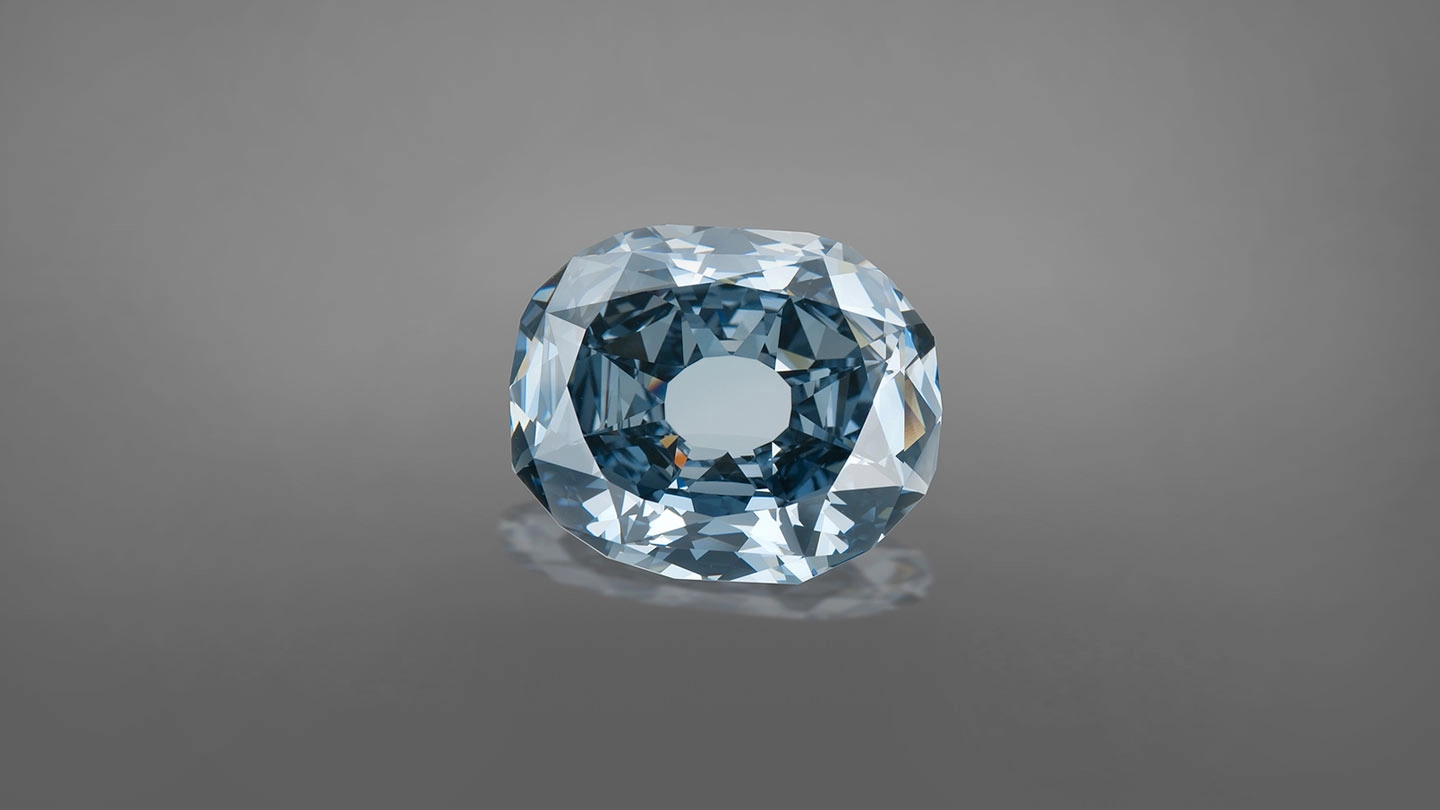
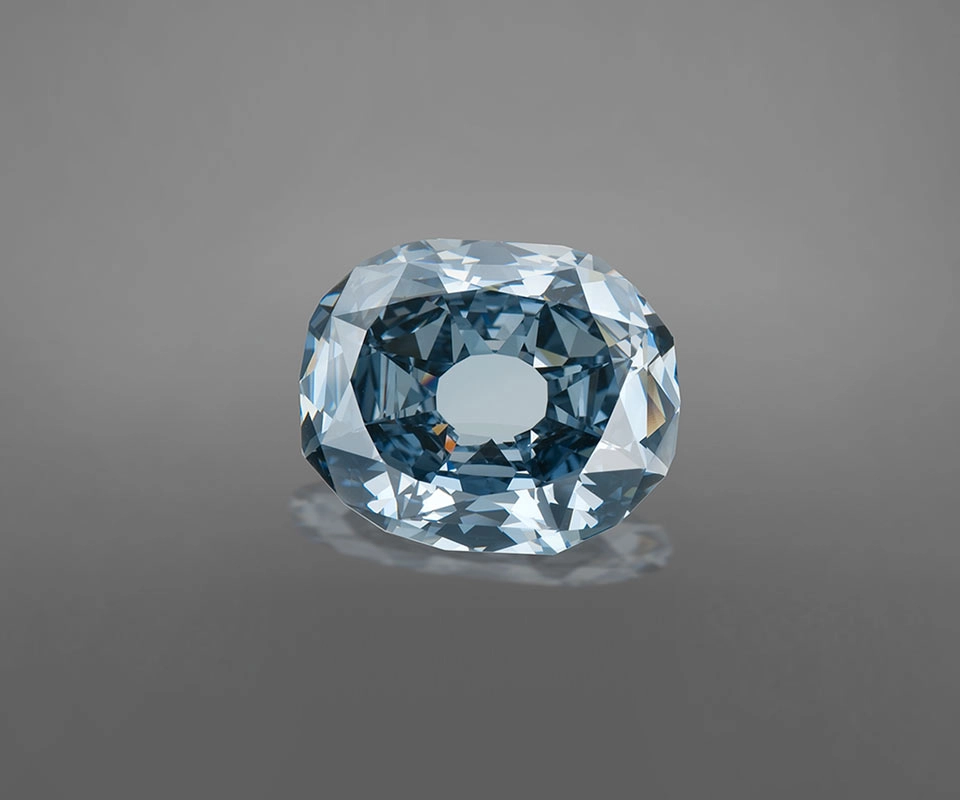
The Wittelsbach-Graff diamond, originally known as the Wittelsbach diamond, is a historic 31.06-carat blue diamond graded Fancy Deep Blue by GIA. The diamond’s royal heritage dates back centuries, having once adorned the crowns and collections of Bavarian and Austrian monarchs. Originally weighing 35.56 carats, it sold for $24.3 million at auction in 2008. After acquiring the gem, jeweler Laurence Graff had it carefully recut to 31.06 carats to enhance its color and clarity. This decision upgraded its clarity from VS2 to Internally Flawless and its color from Fancy Deep Grayish Blue to Fancy Deep Blue. Like the Hope Diamond, the Wittelsbach-Graff exhibits red phosphorescence—a rare optical effect seen in some natural Type IIb blue diamonds when exposed to UV light—further enhancing its mystique.
Idol’s Eye Diamond
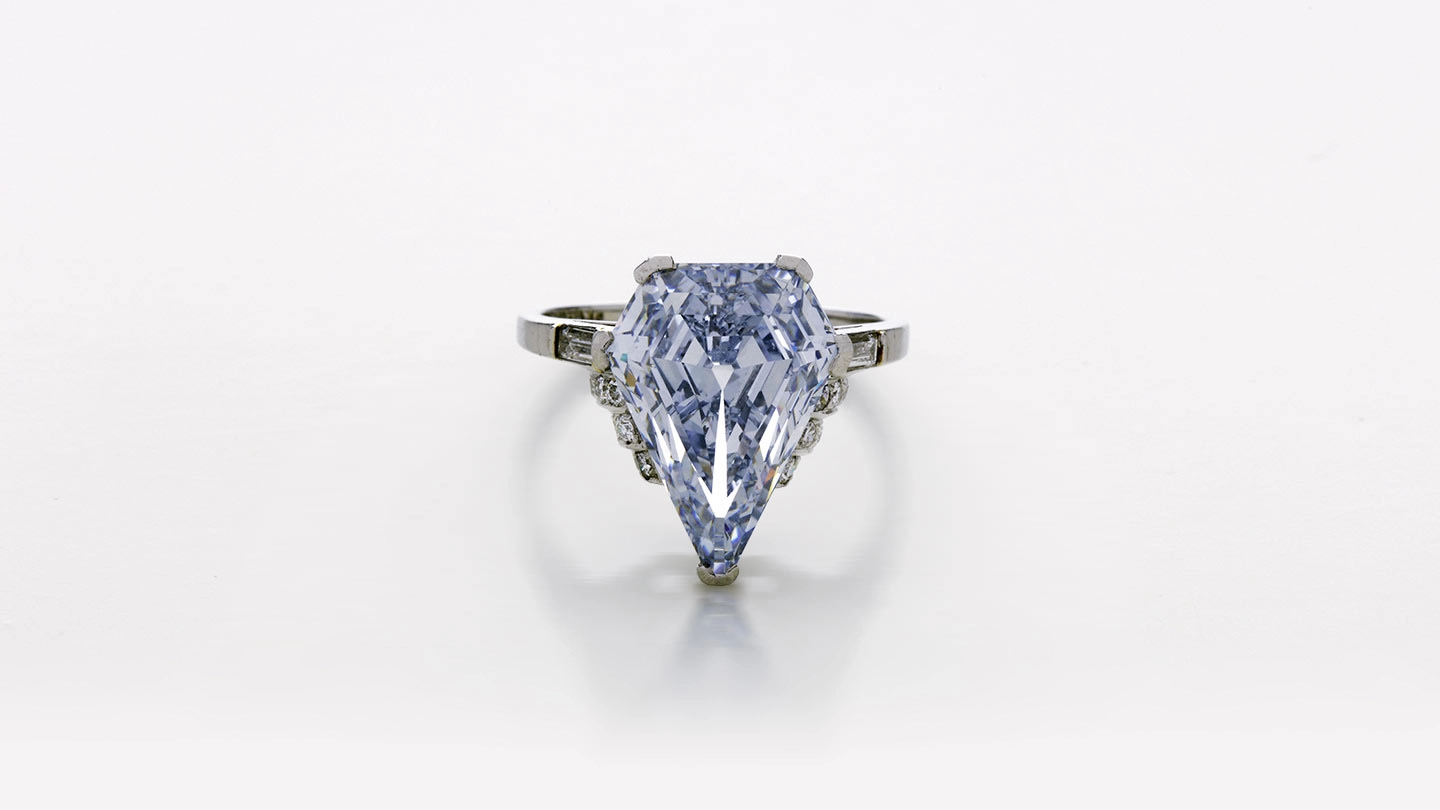
The 70.21-carat Idol’s Eye is a light blue diamond from India’s Golconda region, first mined around the early 1600s. Its name comes from its distinctive shape and the rumor that it was stolen from a statue’s eye—though that is not documented fact. Its first recorded appearance in modern history was at a Christie’s auction in London on July 14, 1865. Later, the diamond came into the possession of Ottoman Sultan Abdul Hamid II. Over time, it passed through various private owners and still remains privately held.
The Importance of Purchasing a GIA-Certified Diamond
While “GIA certified” is a commonly used term in the industry, GIA does not certify diamonds—it grades them. For blue diamonds, GIA issues detailed grading reports that confirm the diamond’s identity, assess quality based on the 4Cs, and clearly state whether the diamond is natural, treated or laboratory-grown and whether its color is natural. These reports offer transparency and are recognized worldwide as the standard for diamond evaluation.
Purchasing a blue diamond with a GIA grading report provides peace of mind and confidence. These reports can simplify insurance and resale processes and serve as a globally recognized way to communicate the diamond’s quality, helping determine its rarity and value.
Why Ask for a GIA Diamond Grading Report
When you choose a blue diamond, you’re not just selecting a gem—you’re embracing a timeless symbol of beauty, rarity and enduring love. To fully appreciate this extraordinary treasure, it’s essential to know exactly what you’re investing in. Ensure your confidence and peace of mind by requesting a grading report from the world-renowned Gemological Institute of America (GIA).
A GIA Colored Diamond Grading Report reveals the intricate story of your diamond—detailing its captivating color, clarity, masterful cut and carat weight—while confirming its identity and quality.
With this assurance, your blue diamond is not just a dazzling jewel—it’s a lasting legacy and a wise investment. Choose your diamond with peace of mind, knowing it will shine brilliantly today and for generations to come. Discover nearby retailers that offer GIA-graded diamonds or feature GIA-trained staff.