Last week, we talked about internal characteristics, or inclusions, and identified some of the most commonly seen ones. Today, we take a closer look at external characteristics, or blemishes, which are confined to the surface of a diamond. (more…)
Because diamonds form under tremendous heat and pressure, nearly every one possesses internal and external features called clarity characteristics. These characteristics help gemologists separate natural diamonds from synthetics and simulants, as well as identify individual gems. (more…)
As the creator of the 4Cs and International Diamond Grading System, GIA also established color grading standards and terminology specifically for colored diamonds, based on the color’s hue, tone, and saturation. Today, we identify some of the defining characteristics that help make fancy-color diamonds a true feast for the eyes. (more…)
Consumers have more options than ever when it comes to buying diamonds. In addition to jewelry retailers, you can shop conveniently from your computer, tablet, or smartphone. Many of the same considerations apply whether you’re buying a diamond in person or online, but GIA has a few additional tips for shopping online that will help you click the “Buy Now” button with confidence. (more…)
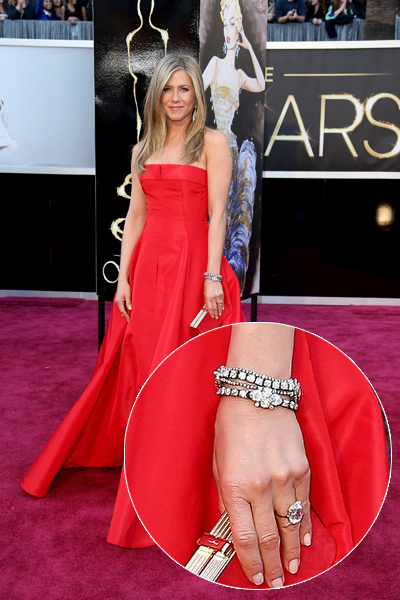
As seen during the 2013 Oscars, vintage jewelry and diamonds continue to live in the spotlight, as evidenced by this 19th century oval and cushion cut diamond bracelet worn by Jennifer Aniston. But do you know the storied history behind your favorite vintage diamond cuts? (more…)
April babies are lucky enough to have the most celebrated gemstone on Earth for a birthstone. So brilliant they were once thought to be fallen stars, diamonds are considered the hardest natural substance. (more…)
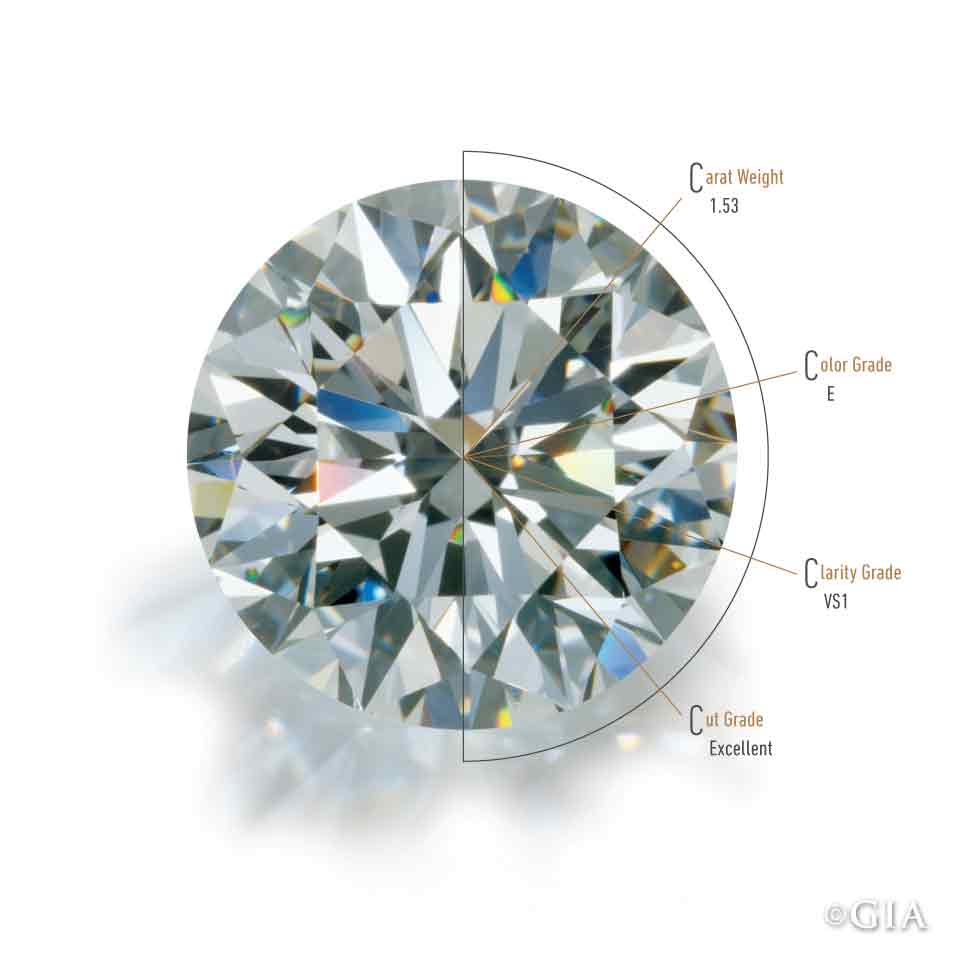
The prospect of purchasing a diamond may seem daunting, but through GIA, an unbiased authority on diamonds, you have several handy resources to help you select the highest quality diamond. First up, an overview of the 4Cs: Color, Clarity, Cut, and Carat Weight. (more…)
Diamonds, from the Greek “adamas” meaning invincible, are the hardest of all gemstones. April’s birthstone is formed deep within the Earth and reached the surface through violent volcanic eruptions. (more…)
Even the slightest change in diamond color can affect the quality and value of a diamond. Although most diamonds are thought of as colorless (that is, not fancy-colored), most colorless diamonds actually contain hints of brown and yellow. These differences in color are often very subtle – so subtle that an untrained eye can’t tell the difference between a nearly colorless diamond and a colorless one. Yet these minute variations in what color a diamond is can have a significant impact on the purchase price of the stone.(more…)
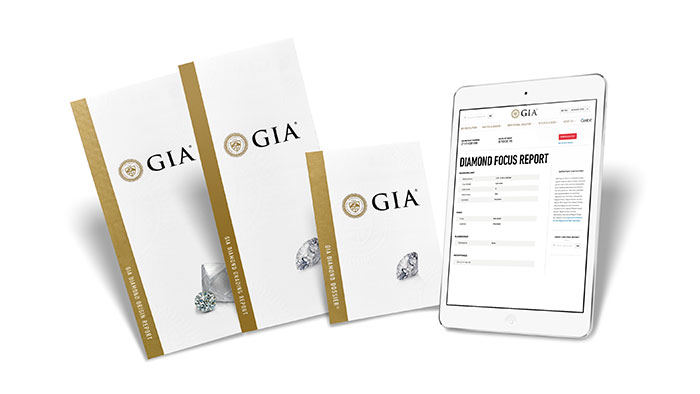
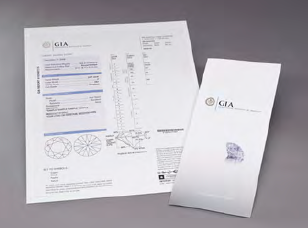
Purchasing a diamond ring can be overwhelming. After you get through the education process of learning the diamond 4Cs there is still one more piece of the puzzle: understanding the difference between a grading report and an appraisal. (more…)
Perhaps a special piece of diamond jewelry has been passed down to you. It may be a ring or a pendant set with a beautiful gem. Because this item did not come from a jeweler or gemologist, you really have no way of knowing anything about the diamond’s color, clarity, cut or carat weight – those factors that determine quality, and help you decide whether the diamond is worth resetting or leaving it as it came. (more…)