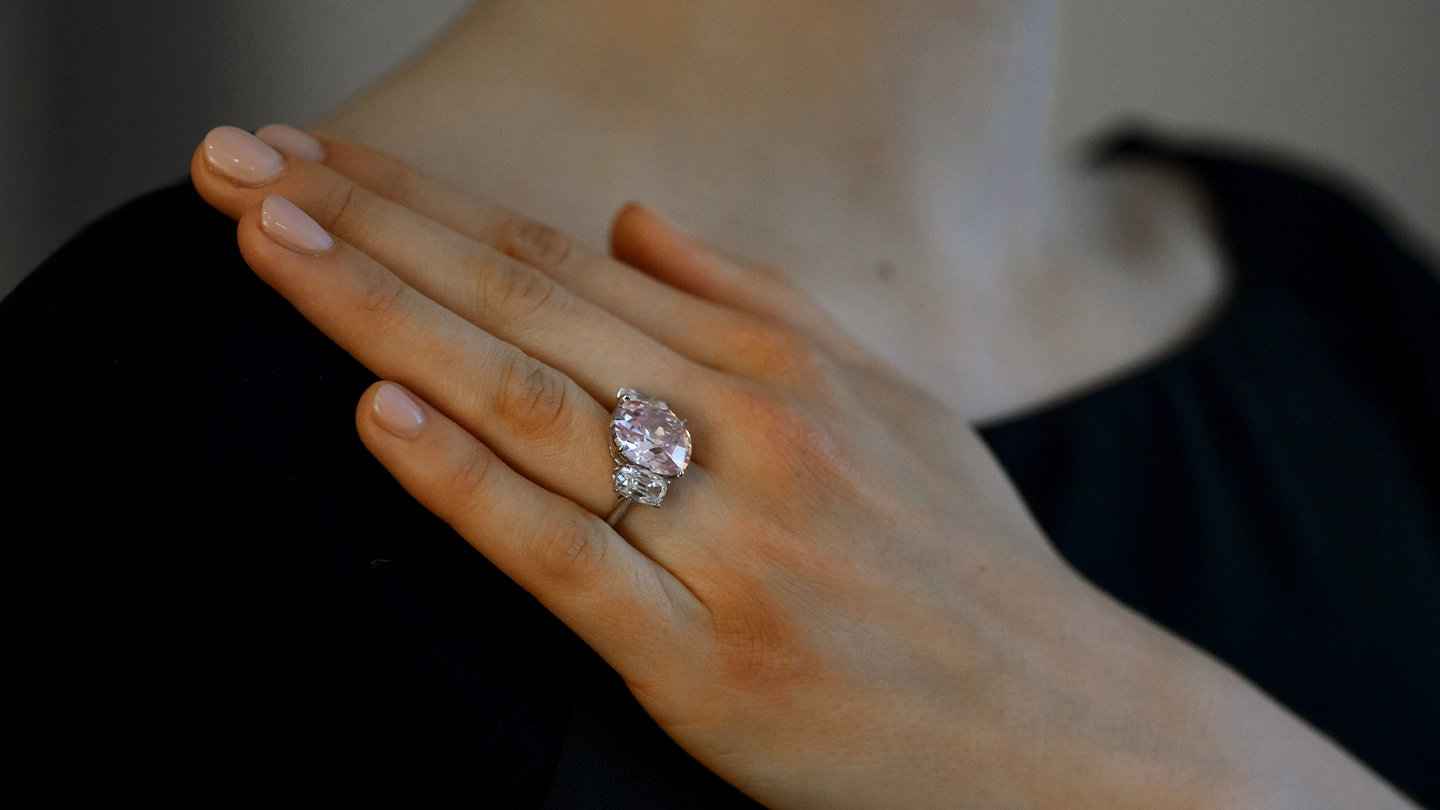
Old Mine Cut Diamond
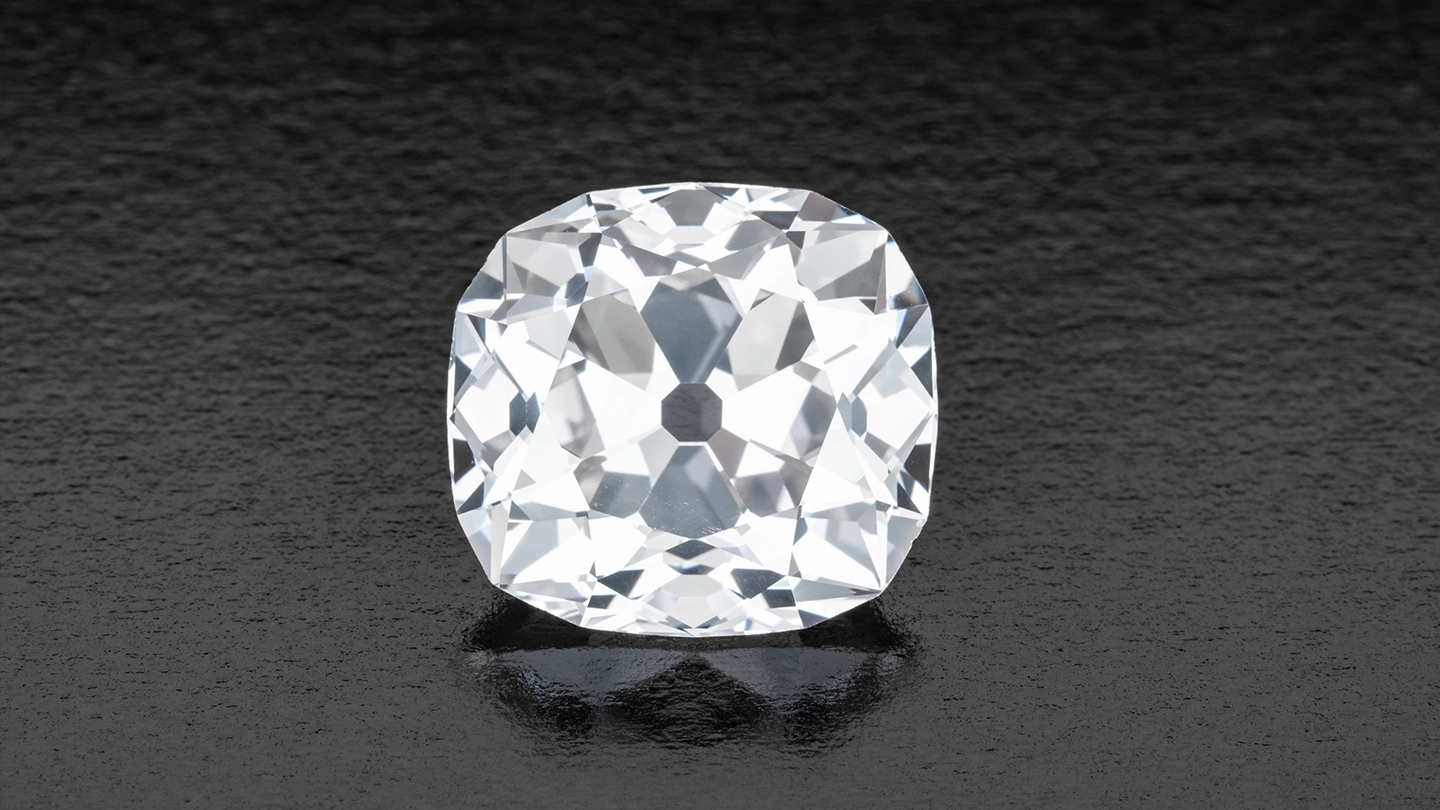
The old mine cut is the soulful predecessor to the modern brilliant, a hallmark of Georgian and Victorian jewelry, appearing in rings, brooches and tiaras in the 18th and 19th centuries. Its name is a tribute to the legendary diamond deposits of India and Brazil—the world’s primary sources before massive South African discoveries transformed the industry forever.
Because cutters worked with the natural shape of the diamond rough and relied entirely on hand techniques, no two stones are exactly alike. While modern diamonds are engineered for light performance, old mine cuts were shaped by hand to shimmer under flickering candlelight, lending each stone a unique, slightly irregular character.
What Do Old Mine Cut Diamonds Look Like?
Old mine cuts have a distinctive antique appearance:
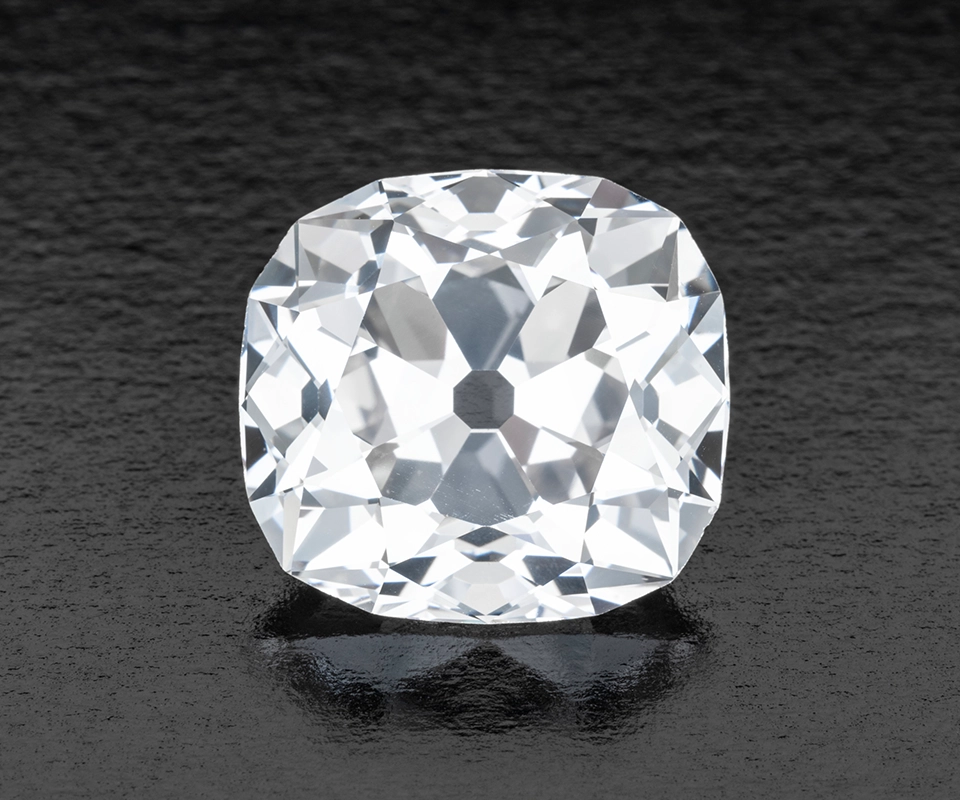
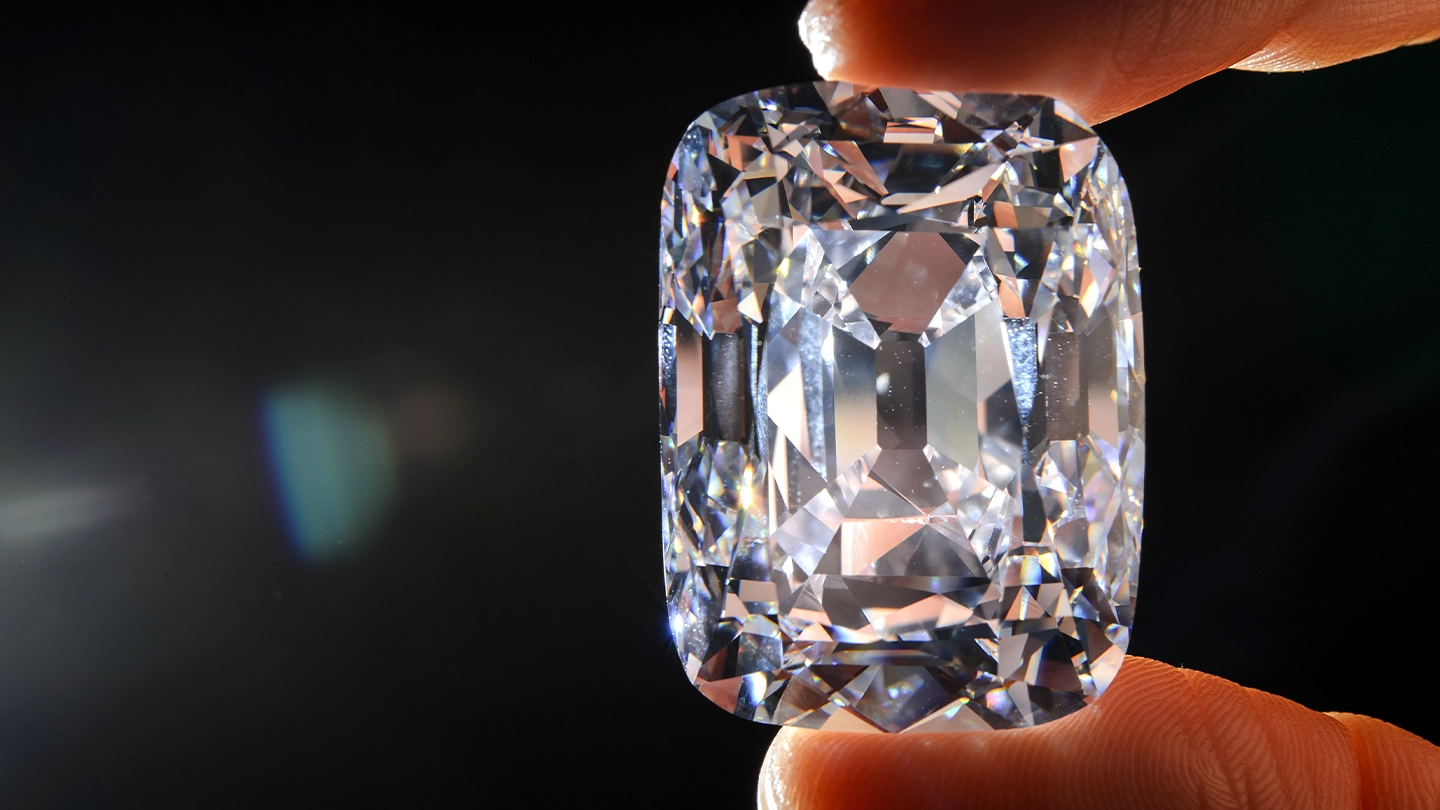
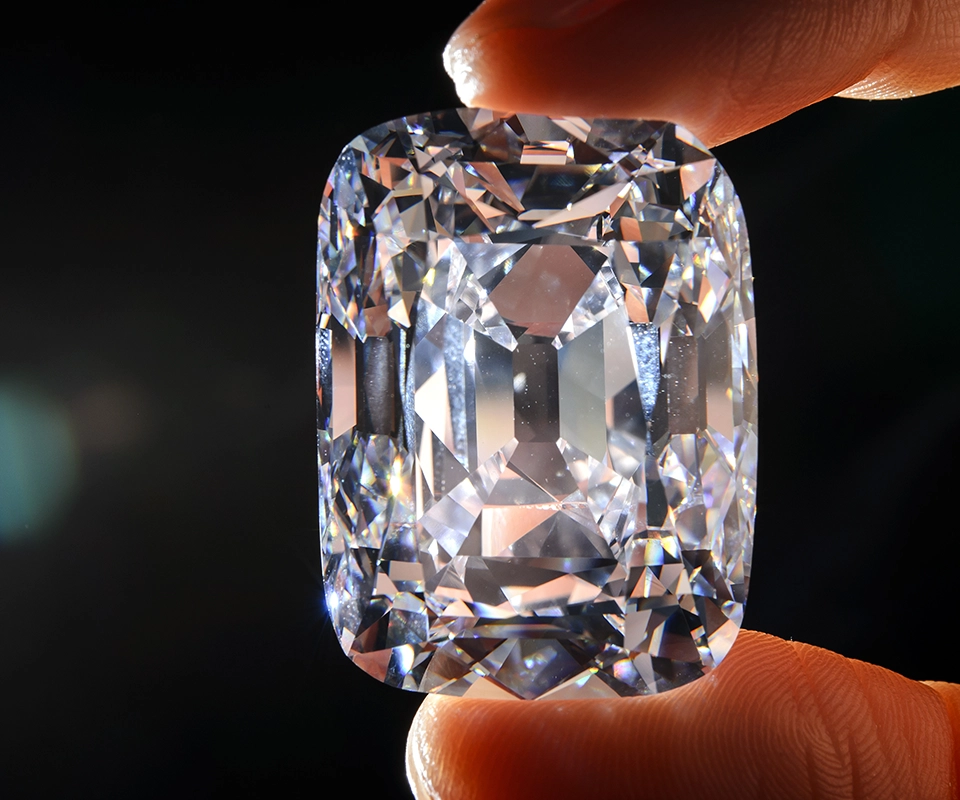
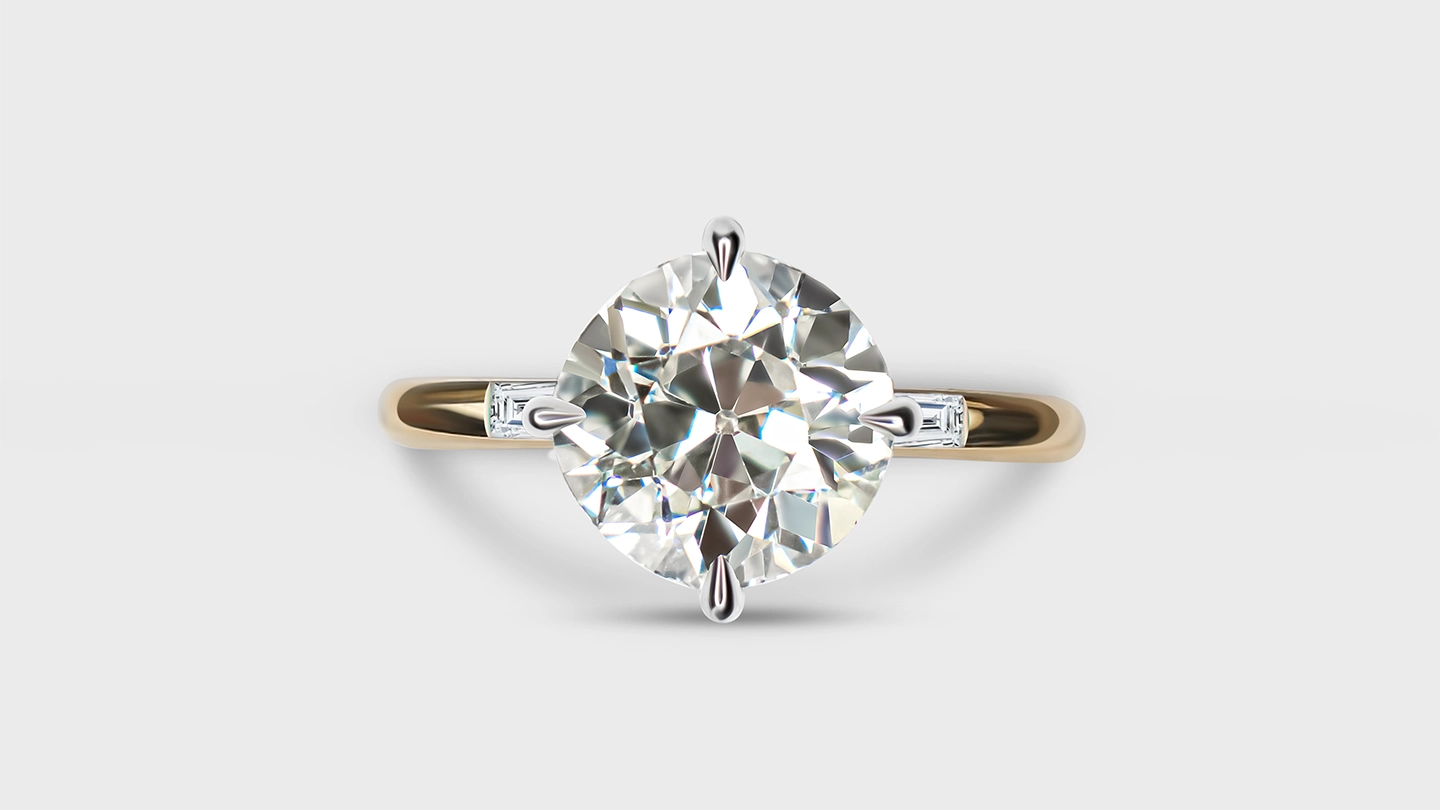
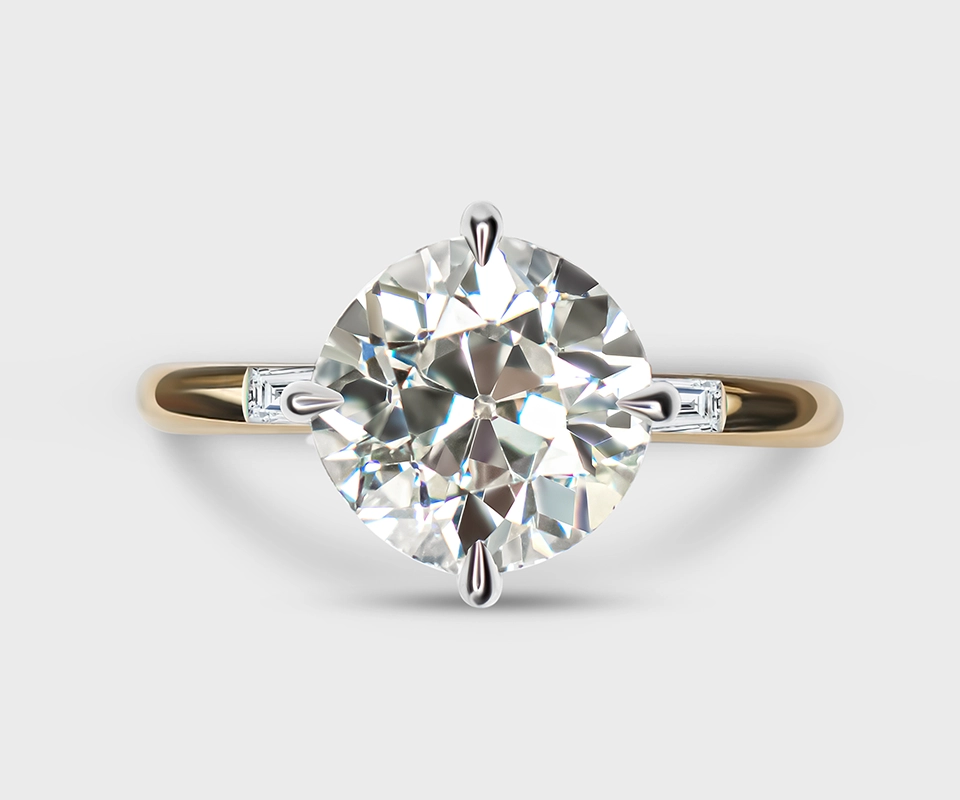
- Squarish to rectangular cushion outline
- High crown and small table
- Chunky facets that reflect broad flashes of light
Why Are Old Mine Cuts Popular Today?
Old mine cuts are highly sought after for their:
- Romantic antique character
- One-of-a-kind, hand-cut appearance
- Connection to historic jewelry
They are often featured in vintage-inspired engagement rings, where their warm glow contrasts beautifully with modern settings.
Old Mine Cut vs. Antique Cushion Cut
The old mine cut and the antique cushion cut are closely related. These names are often used interchangeably, which can cause confusion among consumers.
The old mine cut refers to a specific historical diamond cutting style popular from the 18th through the 19th centuries. It is typically characterized by a cushion-like outline, high crown and large culet.
The term antique cushion cut is broader and more modern. It generally describes cushion-shaped diamonds with a vintage-inspired facet pattern.
The simplest way to think about it is:
Old mine cut: a specific historic diamond cut from the 1700s–1800s
Antique cushion cut: a broader category describing cushion-shaped diamonds inspired by antique diamond shapes
Antique cushion cuts may include:
- True antique old mine cut diamonds
- Transitional cushions from the early 20th century
- Modern diamonds cut to resemble antique stones
In other words, all old mine cuts can be considered antique cushions, but not all antique cushions are old mine cuts.
Old European Cut Diamonds
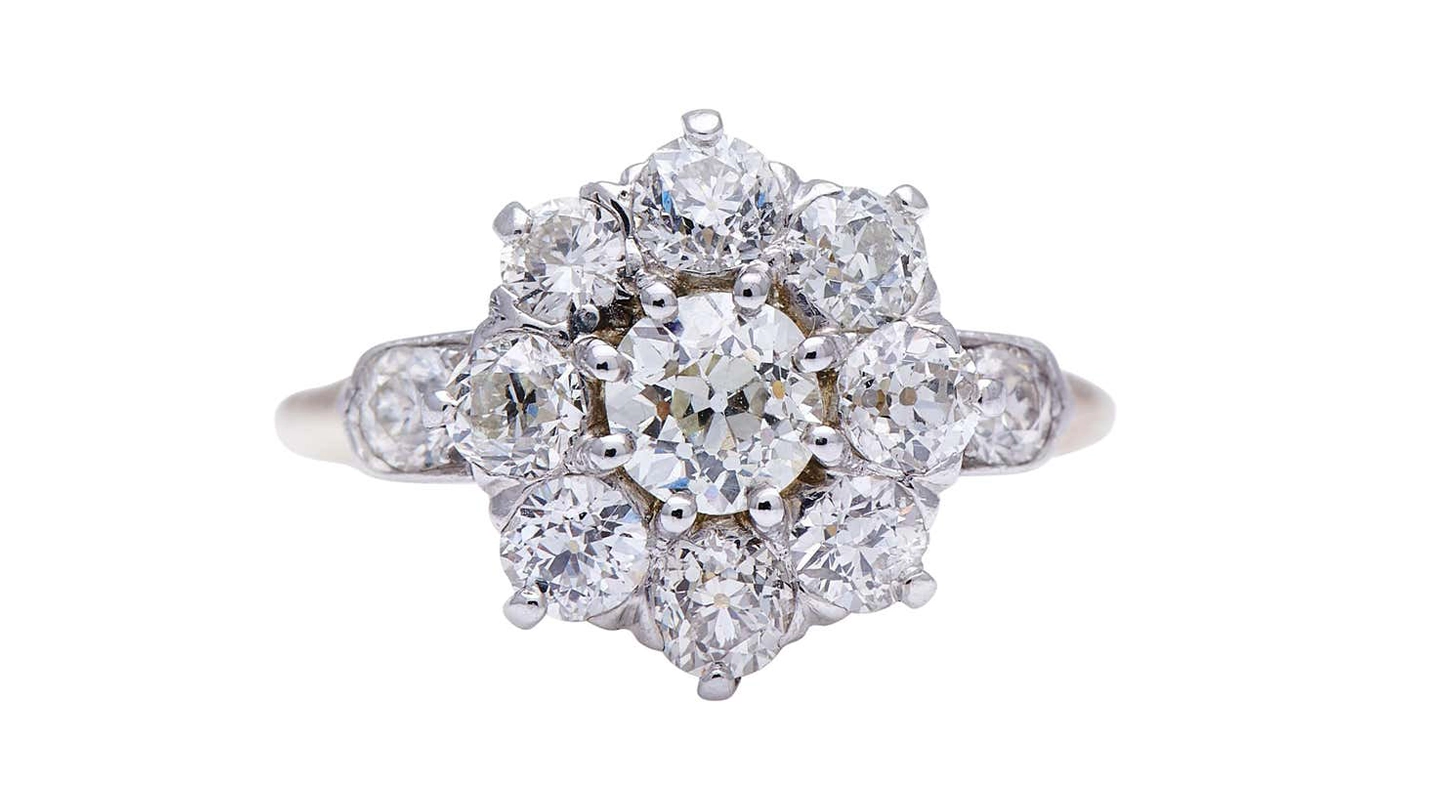
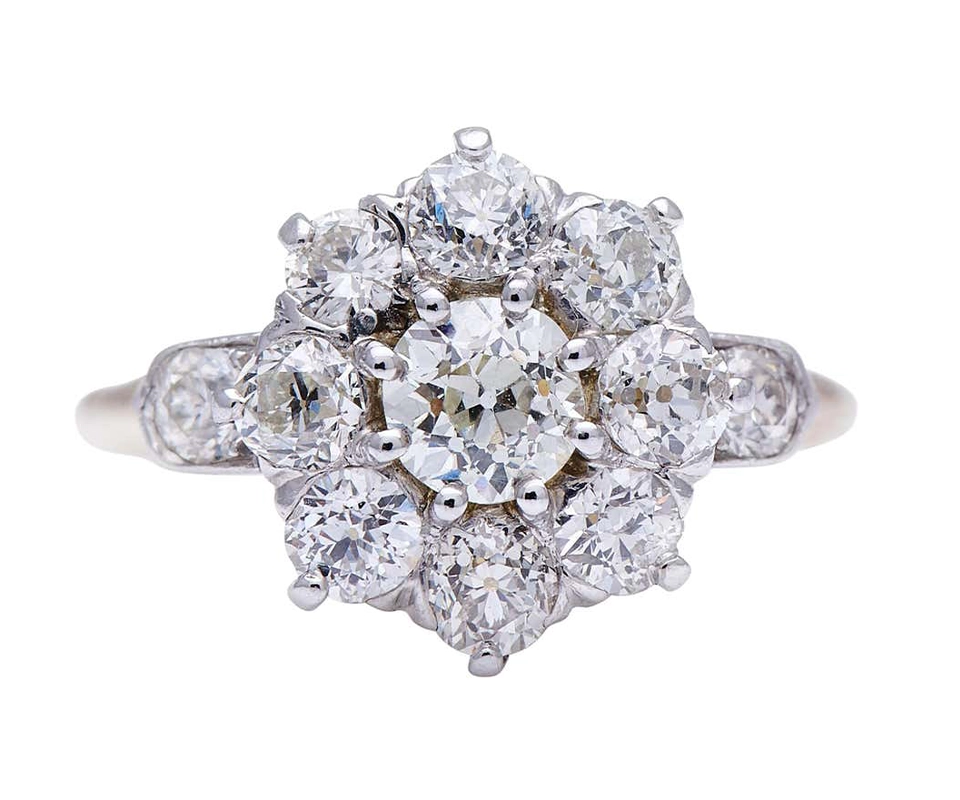
The old European cut is the direct predecessor of the modern round brilliant, emerging around the 1700s and becoming the dominant round diamond cut from the late 19th century through the early 20th century, during the late Victorian, Edwardian and Art Deco periods. Old European cut diamonds were popular in rings, earrings and intricate platinum settings.
Advancements in cutting tools and the introduction of mechanized bruting—the process of shaping a diamond’s girdle and round outline—in 1872 allowed cutters to create even more consistent round shapes. A growing understanding of light performance eventually led cutters to refine old European cuts, giving rise to transitional cuts.
What Do Old European Cut Diamonds Look Like?
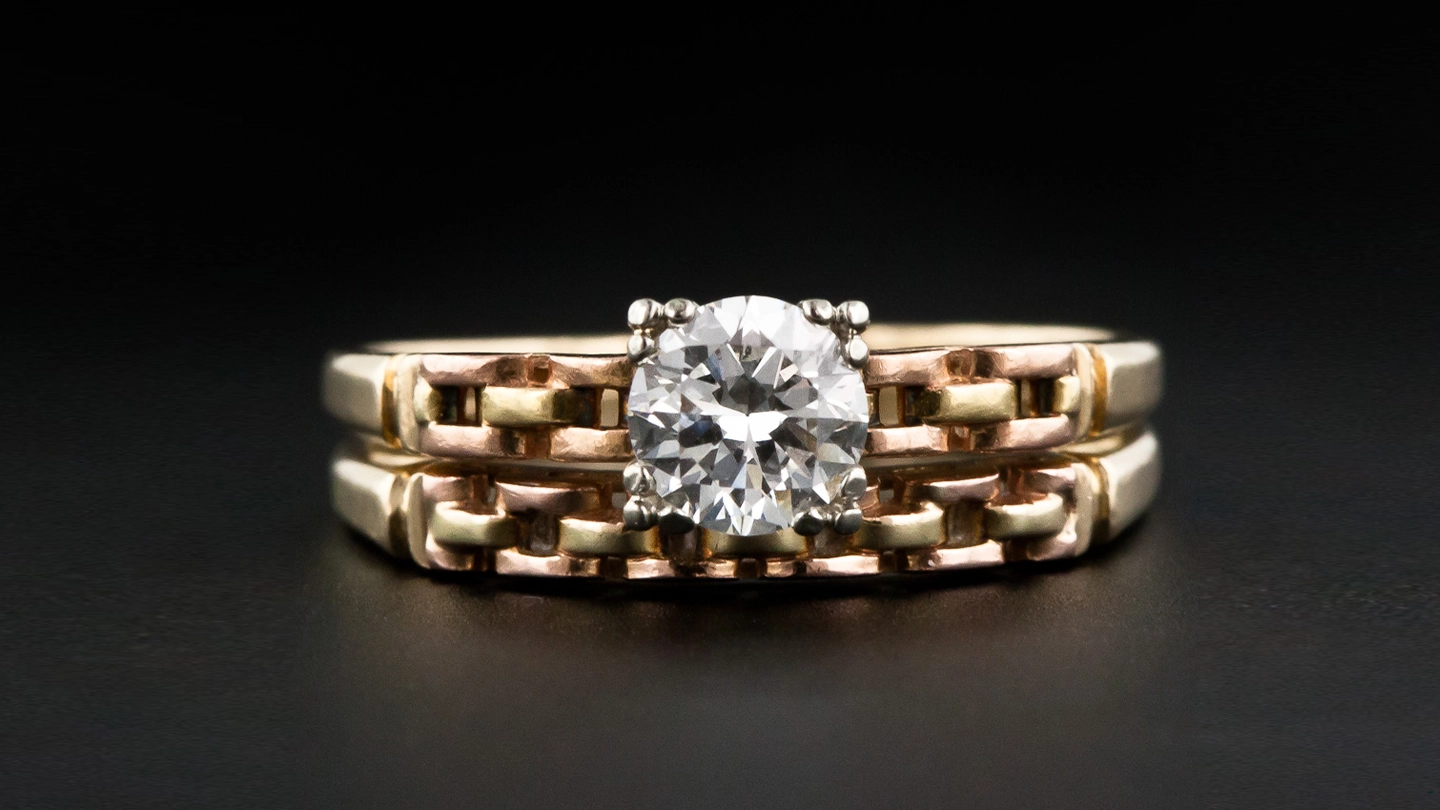
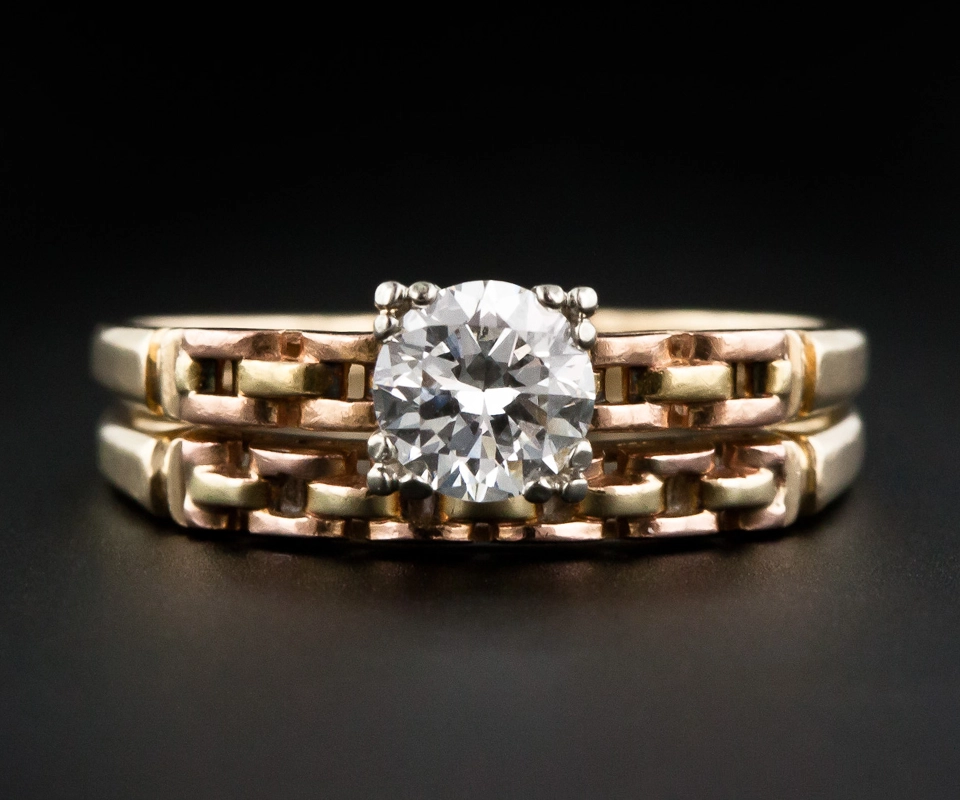
Old European cut diamonds have a distinctive antique appearance:
- High crown and relatively small table
- Medium to large visible culet
- Greater symmetry than old mine cuts
Compared to old mine cuts, old European cuts appear rounder and more balanced. They still display broad, soft flashes of fire, but with a more consistent pattern and slightly greater brilliance as cutting techniques improved.
Why Are Old European Cuts Popular Today?
Old European cuts are highly valued for their:
- Antique charm and historical significance
- Round shape with a soft, vintage look
- Balance of fire and brilliance
- Hand-cut character with improved symmetry
They are often featured in antique and vintage-inspired jewelry, particularly in platinum settings that highlight their refined proportions. For buyers who appreciate history but prefer a rounder, more symmetrical appearance than old mine cuts, old European cuts offer a compelling alternative.
Transitional Cut Diamonds
The transitional cut bridges the old European cut and the modern round brilliant. They were designed to sparkle in both candlelight and early electric lighting, producing a balance of broad flashes and increased fire.
They emerged during a time of rapid technological advancement, when tools and knowledge allowed cutters to move closer to ideal proportions for light performance—although they were still shaped and polished by hand with less standardized proportions than modern round brilliants.
These diamonds emerged in the late Victorian period and became increasingly common through the Art Deco era and into the mid-20th century, often appearing in the geometric, streamlined designs of the time. As cutting standards continued to improve, the transitional cut eventually gave way to the modern round brilliant.
The transitional cut bridges the old European cut and the modern round brilliant. They were designed to sparkle in both candlelight and early electric lighting, producing a balance of broad flashes and increased fire.
They emerged during a time of rapid technological advancement, when tools and knowledge allowed cutters to move closer to ideal proportions for light performance—although they were still shaped and polished by hand with less standardized proportions than modern round brilliants.
These diamonds emerged in the late Victorian period and became increasingly common through the Art Deco era and into the mid-20th century, often appearing in the geometric, streamlined designs of the time. As cutting standards continued to improve, the transitional cut eventually gave way to the modern round brilliant.
What Do Transitional Cut Diamonds Look Like?
Transitional cuts have a round shape that blends antique and modern features. Compared to old European cuts, they have:
- Smaller or less visible culets
- Facets arranged for increased brilliance and symmetry
Compared to old European cuts, transitional cuts appear brighter and livelier, with more sparkle and less emphasis on broad, chunky flashes. They begin to resemble the modern round brilliant while still retaining a slightly softer, vintage character.
Why Are Transitional Cuts Popular Today?
Transitional cuts appeal to buyers who appreciate:
- A balance between antique character and modern brilliance
- Greater sparkle than earlier antique cuts
- A connection to the evolution of diamond cutting
They are often chosen by those who want a diamond with history and personality, but with a brighter, more familiar appearance closer to modern stones.
Rose Cut Diamonds
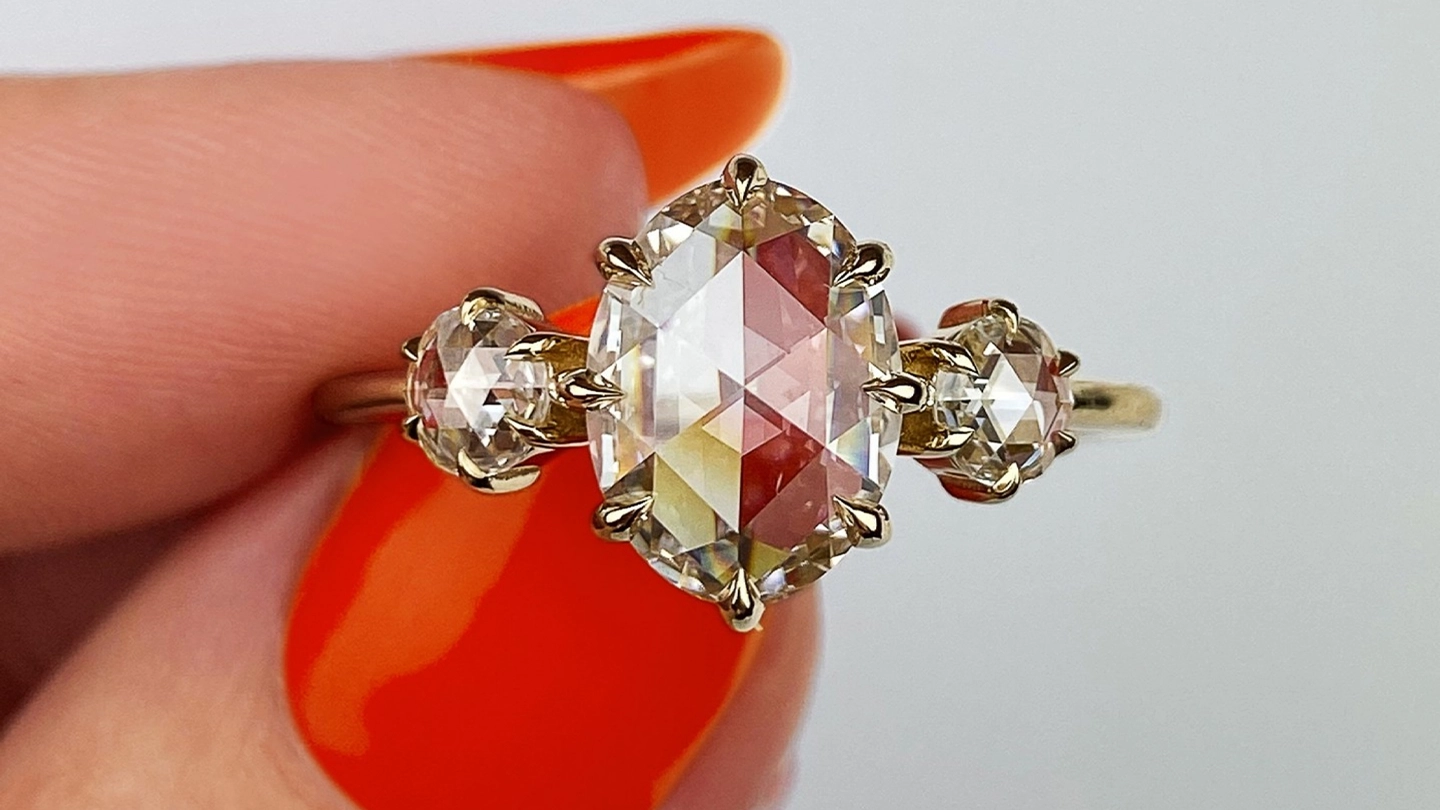
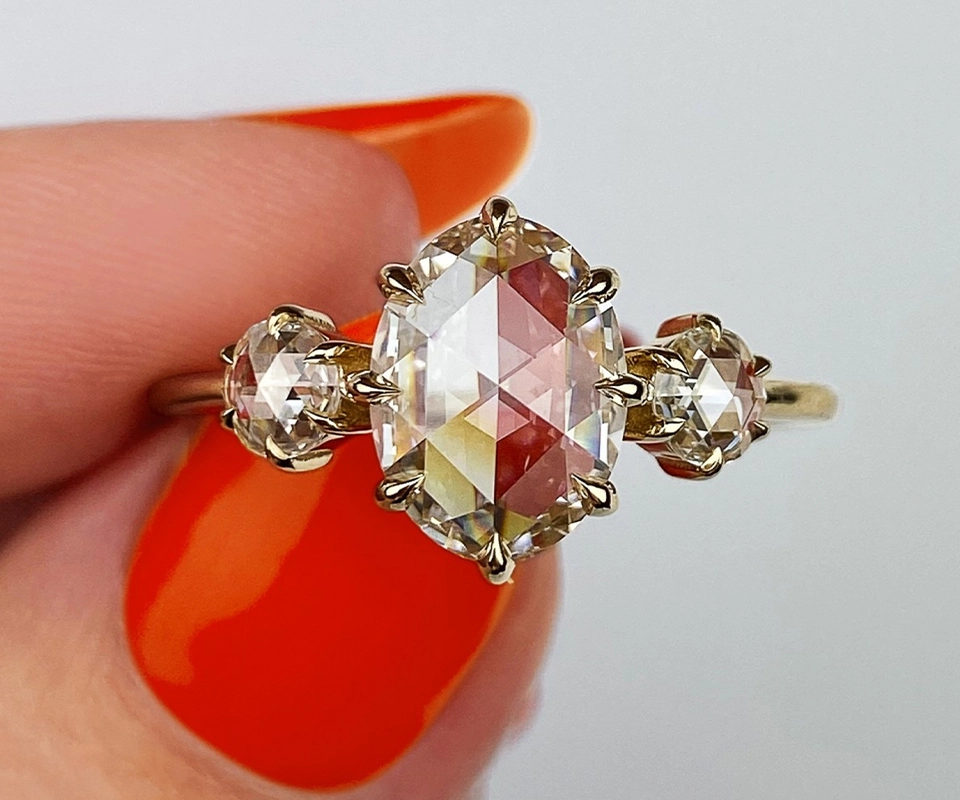
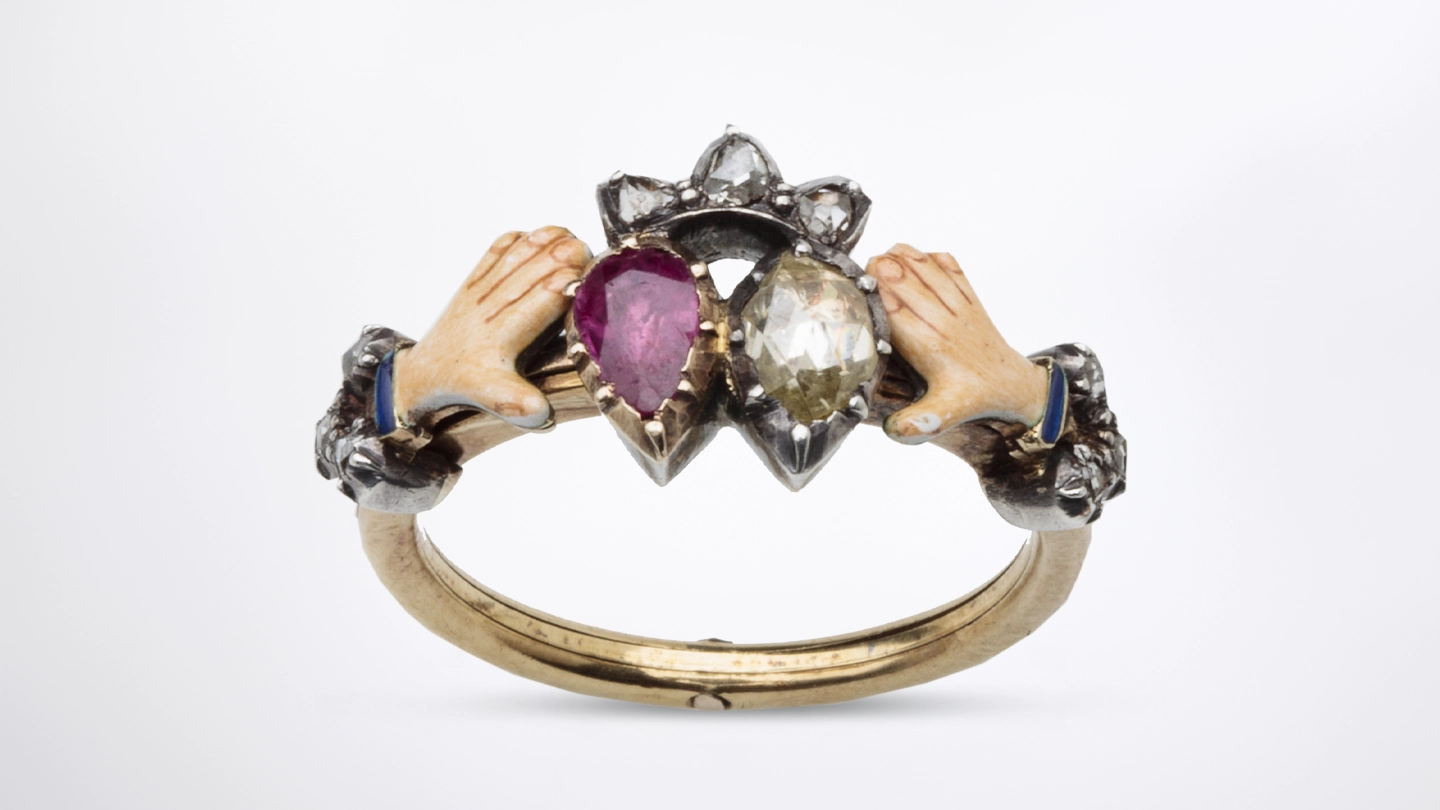
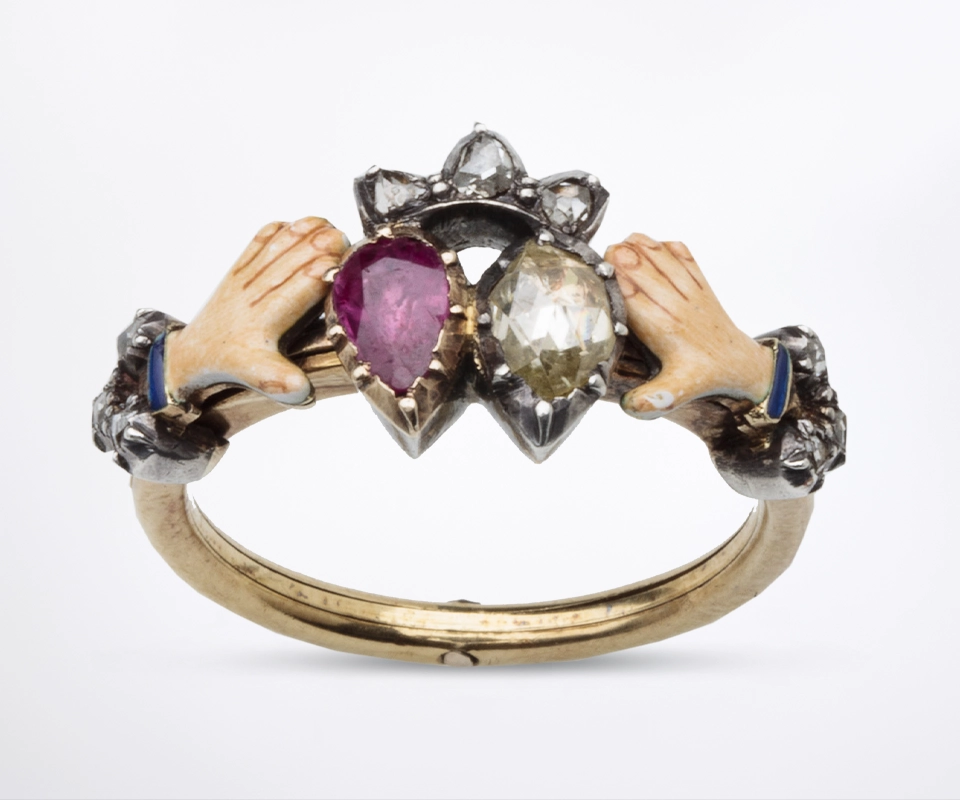
The rose cut is one of the earliest diamond cutting styles, dating back to the 16th century and widely used through the Georgian and Victorian eras. Named for its resemblance to an unfolding rose, rose cuts have a flat base and domed top with triangular facets that rise to a central point, allowing them to glow softly rather than sparkle intensely.
Their flat base made them well-suited for a variety of applications, from rings and brooches to earrings, belt and shoe buckles, and decorative objects. They were often set in closed-back, foil-lined mountings to enhance their brightness.
Rose cuts reflect an early approach to diamond cutting, when cutters shaped each stone around the natural form of the rough, preserving more of the original diamond, rather than cutting it to standardized proportions. Their surface facets acted like tiny mirrors, catching the light in candlelit ballrooms and creating flashes of sparkle.
In modern lighting, rose cuts have a softer, quieter beauty, with a low profile that gives them a delicate, almost ethereal quality. As diamond cutting technology advanced, rose cuts gradually gave way to more brilliant styles, but they remain an important part of early diamond history.
What Do Rose Cut Diamonds Look Like?
Rose cut diamonds have a distinctive antique appearance:
- Flat base with no pavilion
- Domed crown rising to a central point
- Triangular or kite-shaped facets arranged in a radial pattern
- Typically no table or culet facet
- Soft, glassy luster rather than bright brilliance
Because they lack a pavilion, rose cuts do not reflect light in the way modern diamonds do. Instead, they produce a gentle shimmer and subtle flashes.
Why Are Rose Cut Diamonds Popular Today?
Rose cuts are prized today for their:
- Unique, understated appearance
- Connection to early diamond craftsmanship
They are often used in both vintage-inspired and contemporary designs. For buyers seeking something subtle and distinctive, rose cut diamonds offer a refined alternative to the brilliance of modern cuts.
Portrait Cut Diamonds
The portrait cut is one of the oldest diamond cutting styles, popular from Renaissance to Georgian times during the 16th to 18th centuries. Instead of maximizing sparkle, the goal of this cut was to create a thin, transparent sheet of diamond, often used to cover miniature paintings or portraits—hence the name.
Portrait cuts were also used to protect and display locks of hair and other symbolic keepsakes. Their transparency made them especially suited to sentimental pieces, including rings, pendants and mourning jewelry.
What Do Portrait Cut Diamonds Look Like?
Portrait cut diamonds have a very distinctive structure:
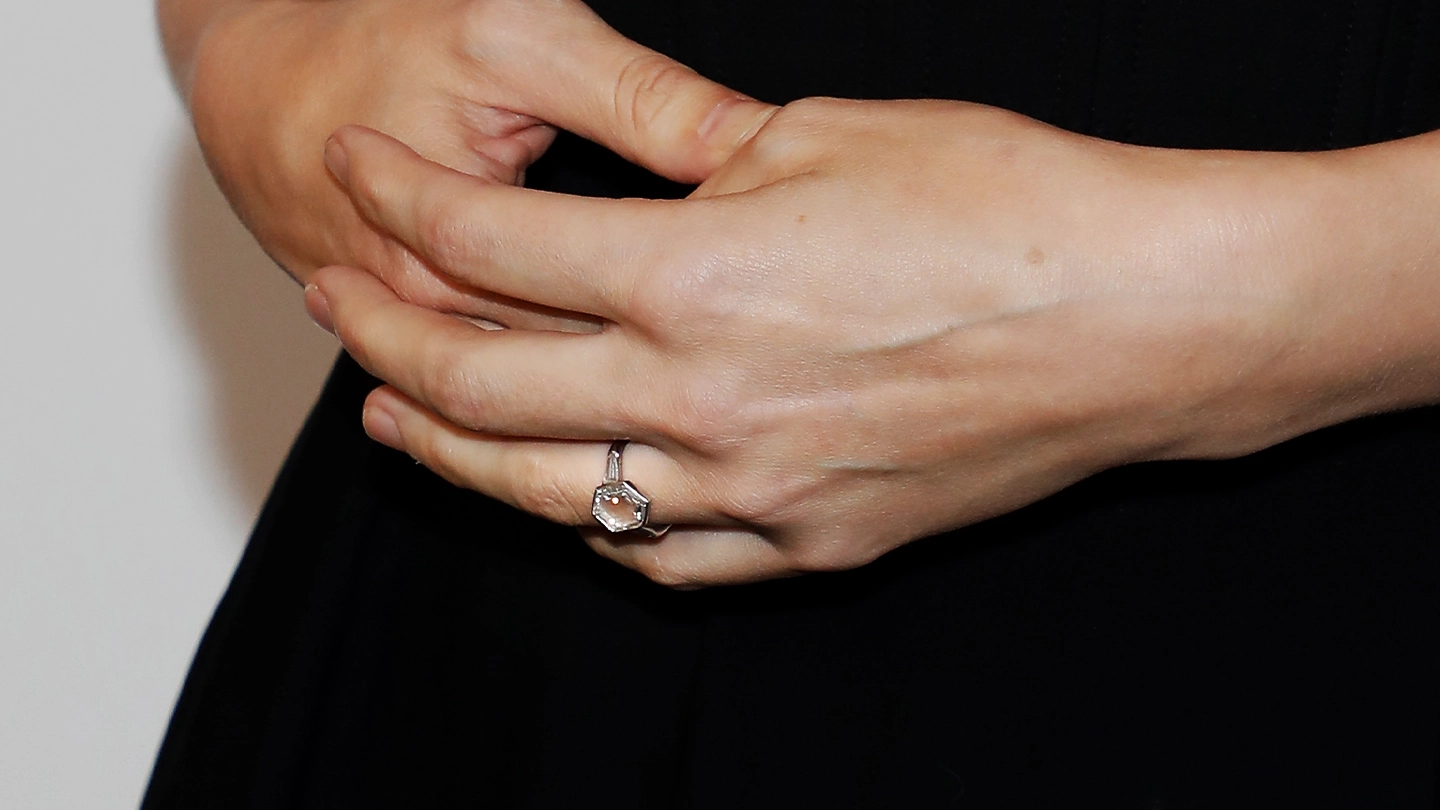
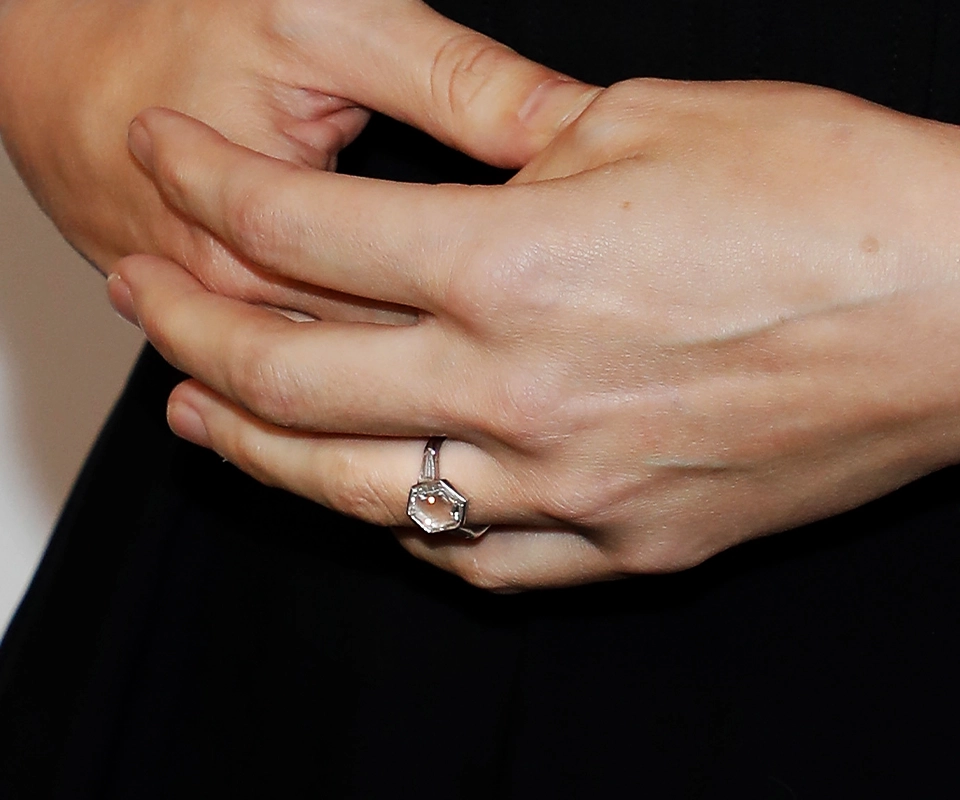
- Extremely thin, flat diamond plate
- Large table facet on top and bottom
- Minimal crown and pavilion
- Often rectangular, square or irregularly shaped
- Little to no brilliance—more glass-like transparency
Because they are cut so thin, portrait cuts can appear almost like a clear window rather than a sparkling gemstone.
Why Are Portrait Cuts Popular Today?
Portrait cuts have experienced a small but notable revival in recent years, especially among:
- Collectors of antique jewelry
- Minimalist or avant-garde engagement rings
However, they remain far less common than other antique diamond shapes like old mine cuts or old European cuts.
Their appeal today comes from:
- A modern, architectural look
- The ability to layer over engraving, enamel or colored gemstones
- Their connection to historic Georgian jewelry
Several contemporary designers have reintroduced portrait cuts in rings where the diamond acts almost like a transparent shield over intricate metalwork or colored stones.
Why Are Portrait Cut Diamonds Still Rare?
Portrait cuts are difficult to produce and fragile because of their extremely thin profile. They also require high clarity, as inclusions are more visible in these flat, transparent stones. Unlike modern cuts, they offer little brilliance which can make them less appealing to traditional buyers.
For these reasons, portrait cuts tend to attract design-focused collectors rather than those seeking a classic engagement ring. That said, for those drawn to historical jewelry or unconventional diamond cuts, portrait cuts remain one of the most intriguing choices available today.
Ring Setting Styles Designed for Antique Diamond Cuts
The antique diamond cuts reflect the craftsmanship and technology of their time. During the Georgian and Victorian eras, jewelry was designed for candlelit environments, with cutting styles and setting techniques that enhanced a diamond’s appearance in softer light. Many of these today.
Cut-Down Collet Settings
Cut-down collet settings are among the most characteristic mounting styles of Georgian and early Victorian diamond jewelry. In this technique, the metal—often silver over a gold base—is cut and pushed down around the edge of the diamond to secure it, rather than using separate prongs.
These settings were typically closed at the back and sometimes lined with reflective foil to enhance a diamond’s appearance in candlelight. The result is a distinctive scalloped or petal-like rim that follows the outline of the stone, giving old mine cut diamonds a soft, integrated appearance. Today, cut-down collet settings are prized for their craftsmanship and historical authenticity.
Closed-Back & Button-Back Settings
Closed-back settings were commonly used in Georgian and early Victorian jewelry, enclosing the back of the diamond rather than leaving it open. Many included reflective foil to enhance brightness under low lighting, particularly for rose cuts and old mine cuts.
Button-back settings refer to the domed underside of the mounting, which often has a small central opening. Frequently found in closed-back pieces, this construction provided structural support, accommodated deeper stones, and created a protected space for foil. While not visible from the front, it is a hallmark of antique craftsmanship.
Cluster Settings
Cluster designs were especially popular in Georgian and Victorian jewelry. Some feature a central diamond surrounded by smaller accent stones, creating an effect similar to a modern halo. Others group several similarly-sized diamonds together or arrange stones in floral, star-like or other decorative patterns. By clustering stones closely together, these designs created greater visual impact at a time when large diamonds were rare and cutting techniques produced less brilliance than modern cuts.
Claw Prong Settings
Claw prong settings became more common in the late Victorian period as diamond cutting and metalworking techniques advanced. Unlike collet settings, prong settings use separate metal claws to hold the stone, allowing more light to enter the diamond and increasing brilliance.
Claw-style prongs are now frequently used in antique-inspired rings, highlighting the high crown and chunky facets of antique diamond shapes while offering a lighter, more open appearance than earlier settings.
Bezel Settings
Bezel settings feature a smooth metal rim that surrounds the diamond, offering strong protection and a clean, modern appearance. While sometimes compared to antique collet settings, true Georgian jewelry more commonly used cut-down collets rather than continuous bezels. Today, bezels are often used in contemporary designs inspired by antique styles.
Halo Settings
Halo settings have historic roots that date back at least to the Georgian era, though the term “halo” became widely used much later. A ring of smaller diamonds surrounds the center stone, emphasizing its shape and creating a bold focal point. Vintage-inspired halos may also feature milgrain or delicate detailing that evokes historical craftsmanship.
Where to Buy Antique and Vintage Diamond Cuts
Antique and vintage diamond cuts can be found through a range of sources, each with its own advantages. Vintage and consignment shops, estate sales and local auctions are often the best places to find original period pieces, sometimes at competitive prices. However, selection can be limited, and details about a diamond’s history may vary.
Specialized jewelry retailers—both online and in-store—offer a more curated experience, often featuring antique and vintage-style diamonds such as old mine and old European cuts. These sellers may provide more consistent quality, documentation and customer support, making them a good option for first-time buyers, but their pieces may also come with more premium prices.
It’s also important to understand the difference between actual antique and vintage pieces and those described as “antique-” or “vintage-style.” Antique and vintage diamonds are original stones cut in earlier periods, while antique- or vintage-style diamonds are newly cut or set stones designed to replicate historic looks. Both can be beautiful, but if you are committed to a truly antique or vintage piece of jewelry, it is important to note the difference between the two.
Vintage vs. Antique Jewelry
When exploring these pieces, it helps to understand the difference between vintage and antique jewelry—terms that are often used interchangeably but have distinct meanings.
Antique jewelry is typically defined as being at least 100 years old, often dating to periods such as the Georgian, Victorian or Edwardian eras. Vintage jewelry, on the other hand, is generally at least 20–30 years old but less than 100 years old, encompassing styles from the Art Deco, Retro and Mid-Century periods through the late 20th century.
While both are valued for their character and history, antique pieces are often rarer and more delicate, while vintage jewelry offers a broader range of styles that can be easier to wear and collect.
It’s also important to distinguish vintage and antique jewelry from “vintage-” or “antique-style” pieces, which are newly-made designs inspired by historical aesthetics rather than original period pieces.
The Importance of Purchasing an Antique Diamond with a GIA Diamond Report
Antique diamond jewelry offers a tangible connection to the past, with each piece reflecting the craftsmanship and character of its era. It can be a meaningful choice for an engagement ring or a distinctive addition to a jewelry collection. However, purchasing an antique diamond can feel uncertain, as it is not always easy to verify exactly what you are buying.
The Gemological Institute of America (GIA) can help provide confidence in your diamond purchase. A GIA Diamond Grading Report offers an independent assessment of a diamond’s identity and quality characteristics, including its cutting style, although it does not determine the diamond’s age or when it was cut.
Choosing a reputable jeweler or retailer with experience in antique and vintage diamond jewelry is also key to ensuring you make an informed purchase. Many of these retailers carry GIA-graded diamonds or have GIA-trained staff to help guide you in your diamond buying journey.
With their distinctive faceting, softer sparkle and connection to the past, antique diamond cuts capture the beauty of another era. Understanding their history and unique characteristics can help you appreciate what sets these diamonds apart—and choose one that speaks to you.