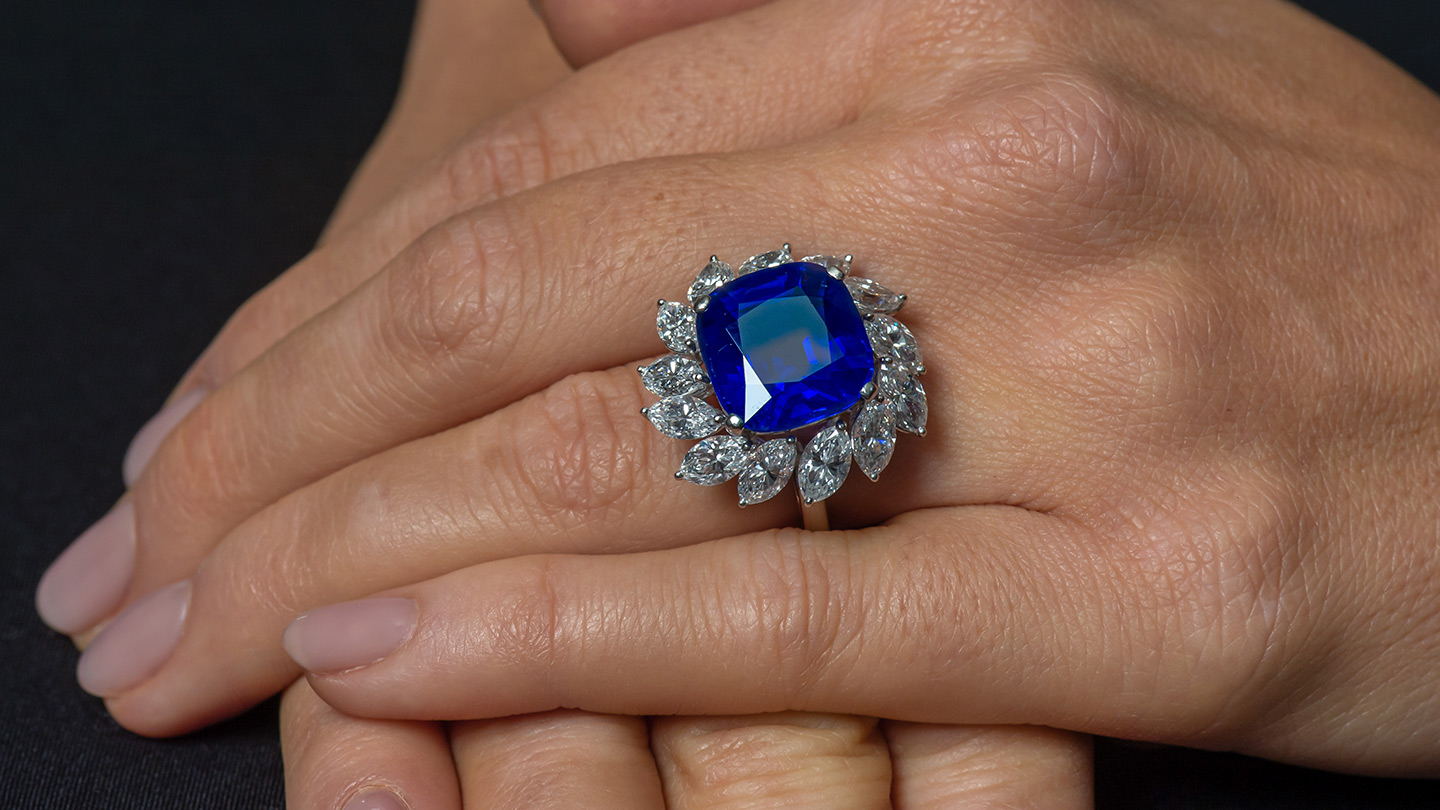
What is a Diamond?
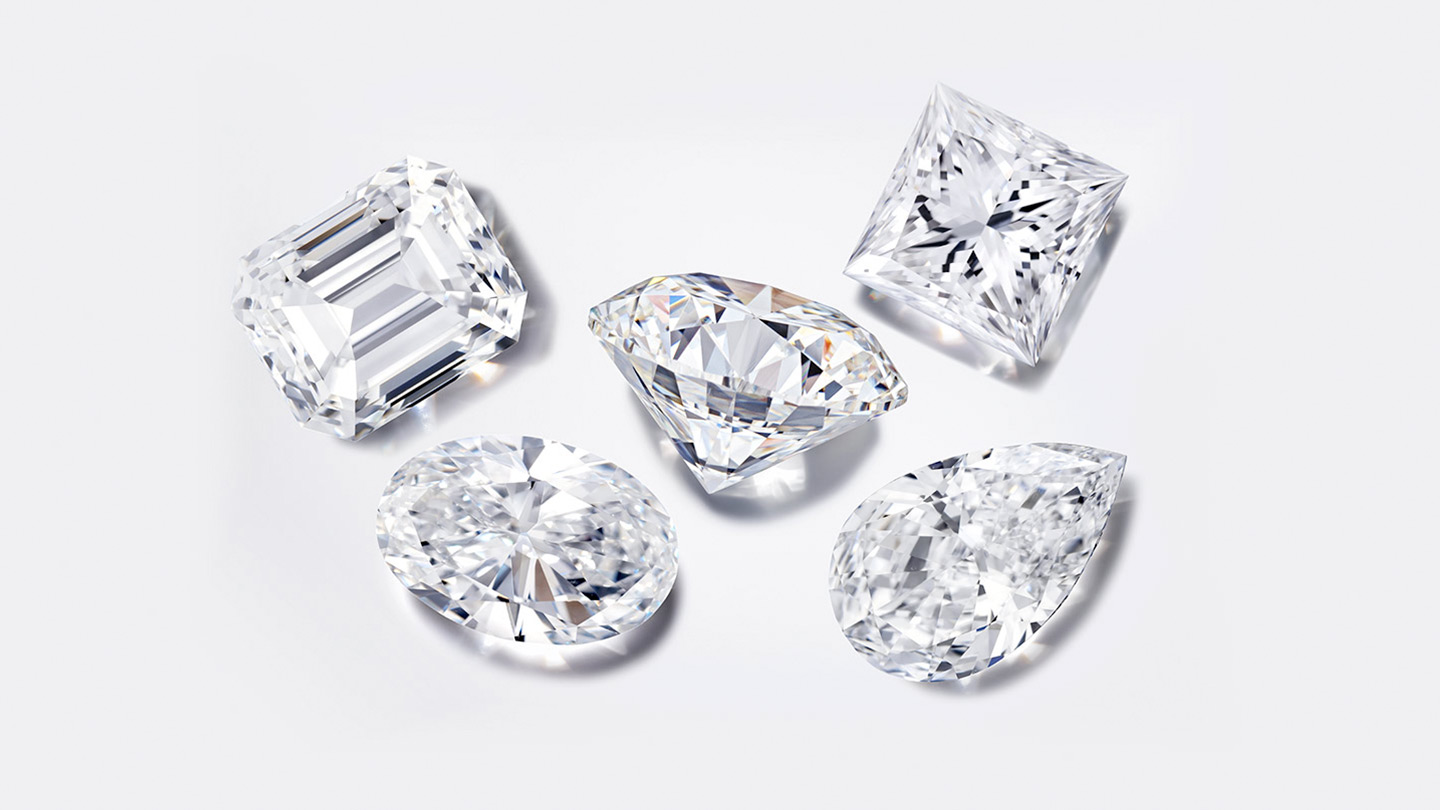
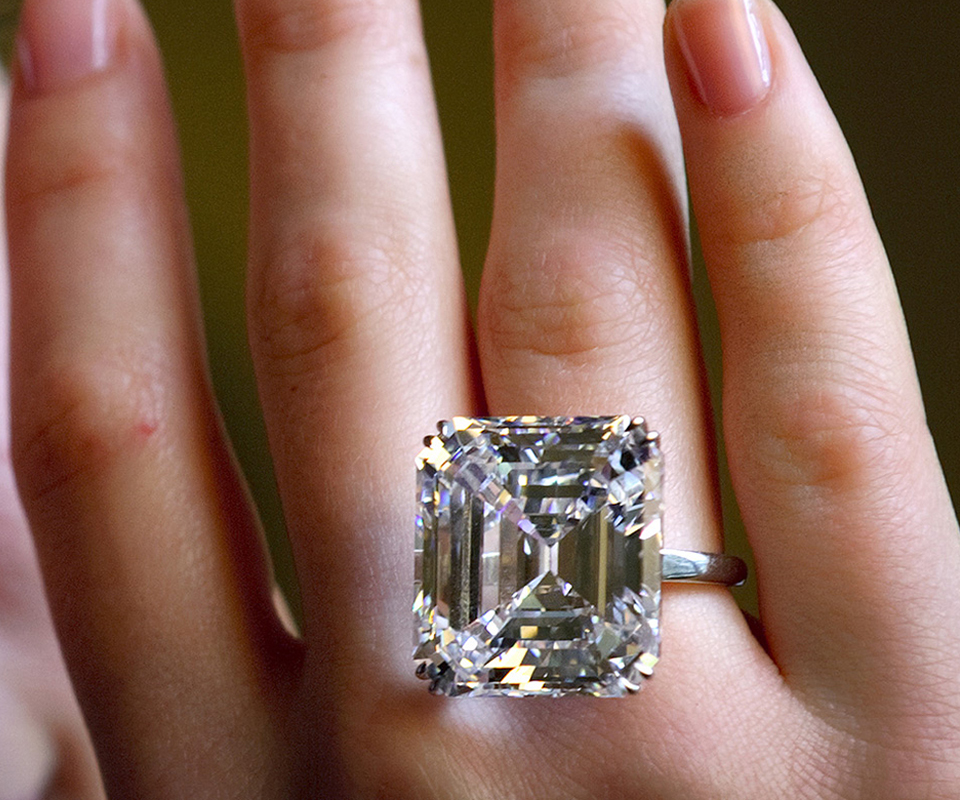
A diamond is a gemstone made of pure carbon, famed for its exceptional brilliance, fire and hardness. Ranking 10 on the Mohs scale, they are the hardest natural substance on Earth, making them especially suited for everyday wear. While diamonds are best known for being colorless, they naturally occur in a wide range of colors, including yellow, brown, pink, blue, green, black, white and the extremely rare red.
How Do Sapphires and Diamonds Form?
Sapphire Formation
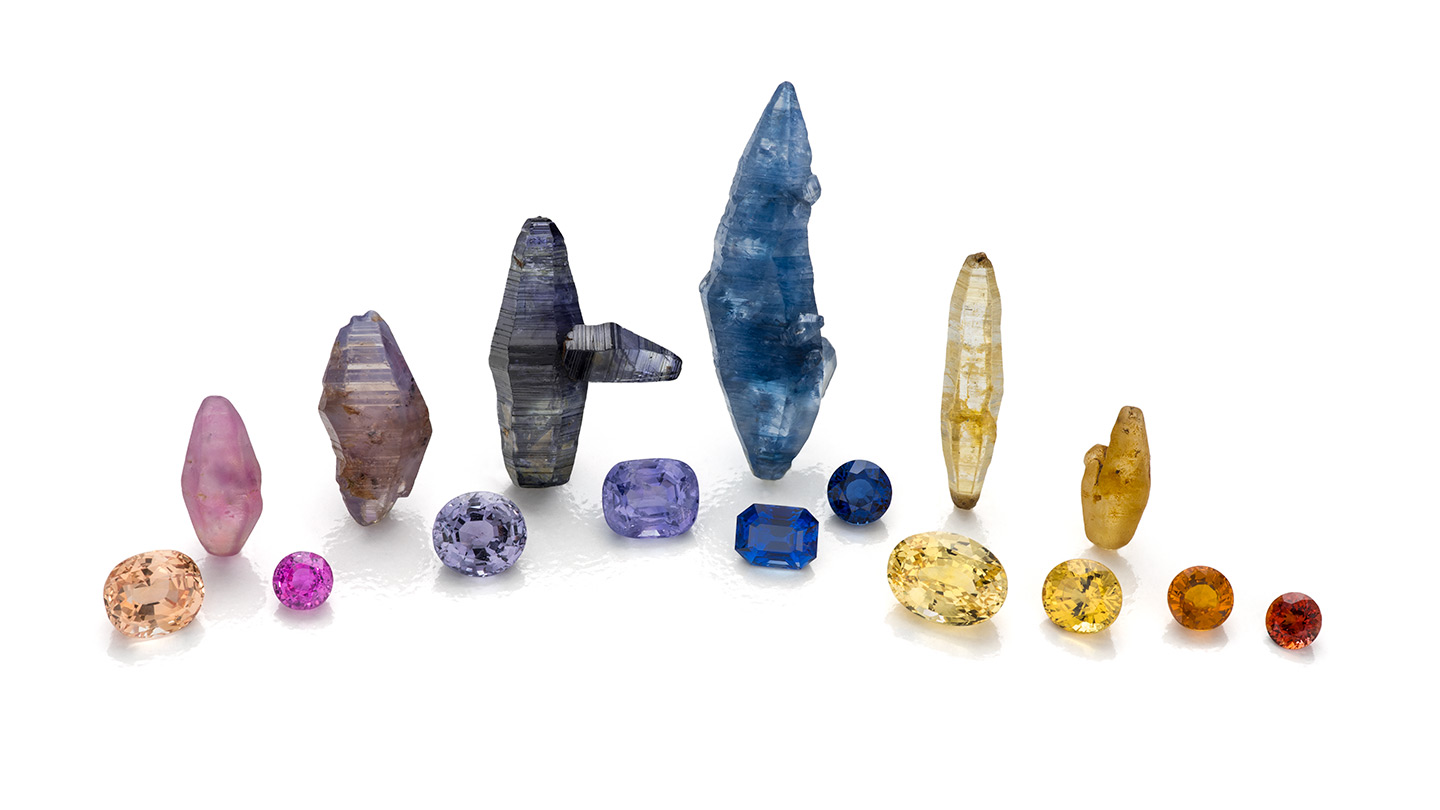
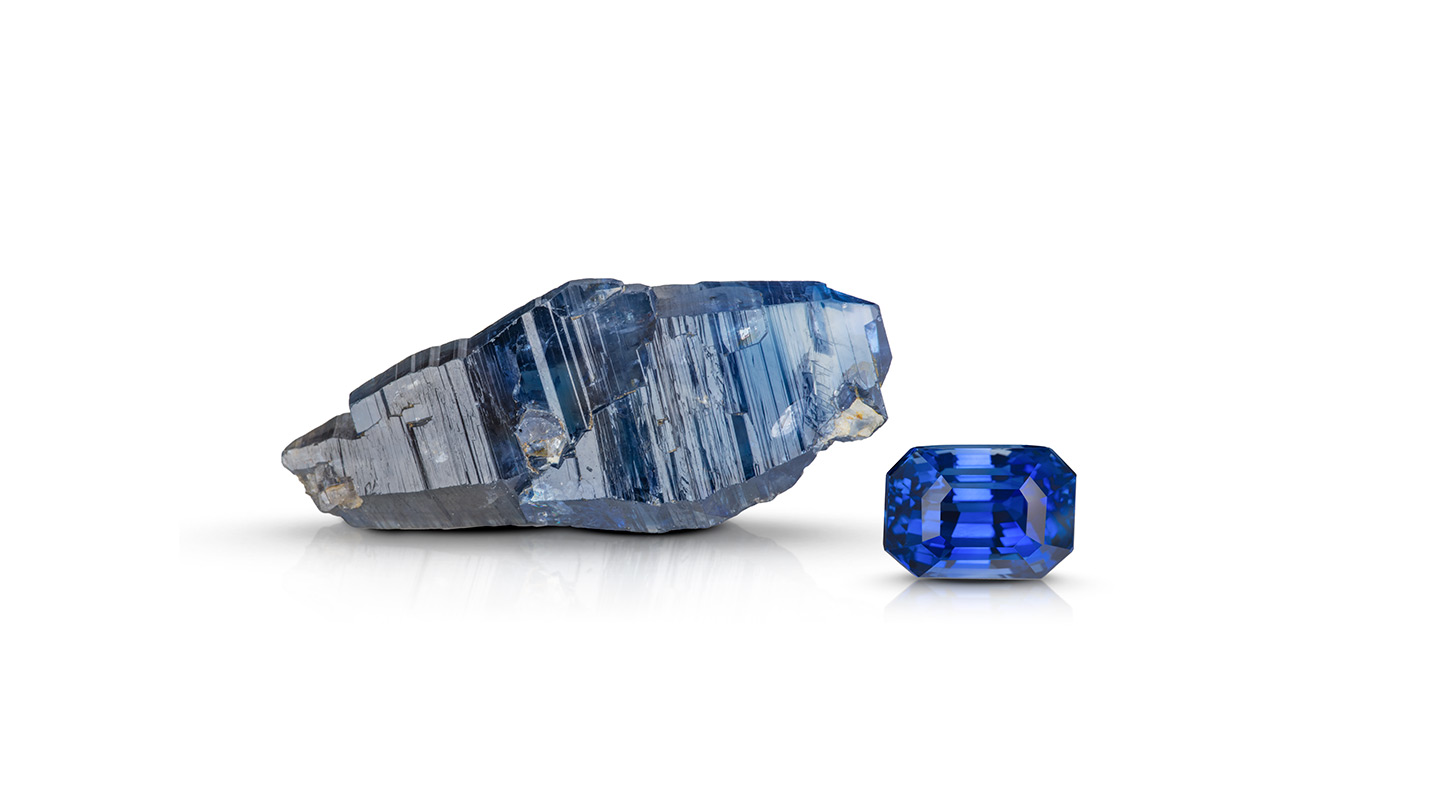
Sapphires form deep within the Earth under extreme heat and pressure over millions of years. Trace elements such as iron and titanium give blue sapphires their rich color, while other elements can create pink, yellow, green and even color-changing varieties.
Some sapphires, like those found in Kashmir, Myanmar (Burma) and Sri Lanka (Ceylon), form in metamorphic environments, where aluminum-rich rocks are transformed by intense heat and pressure during mountain-building events.
Other sapphires, like those from Thailand, Australia and parts of Montana, form in volcanic environments and can display darker tones.
Over millions of years, weathering and erosion often carry sapphires from their original rock into rivers and gravel beds. Many sapphires are recovered from these deposits, especially in Sri Lanka.
Diamond Formation
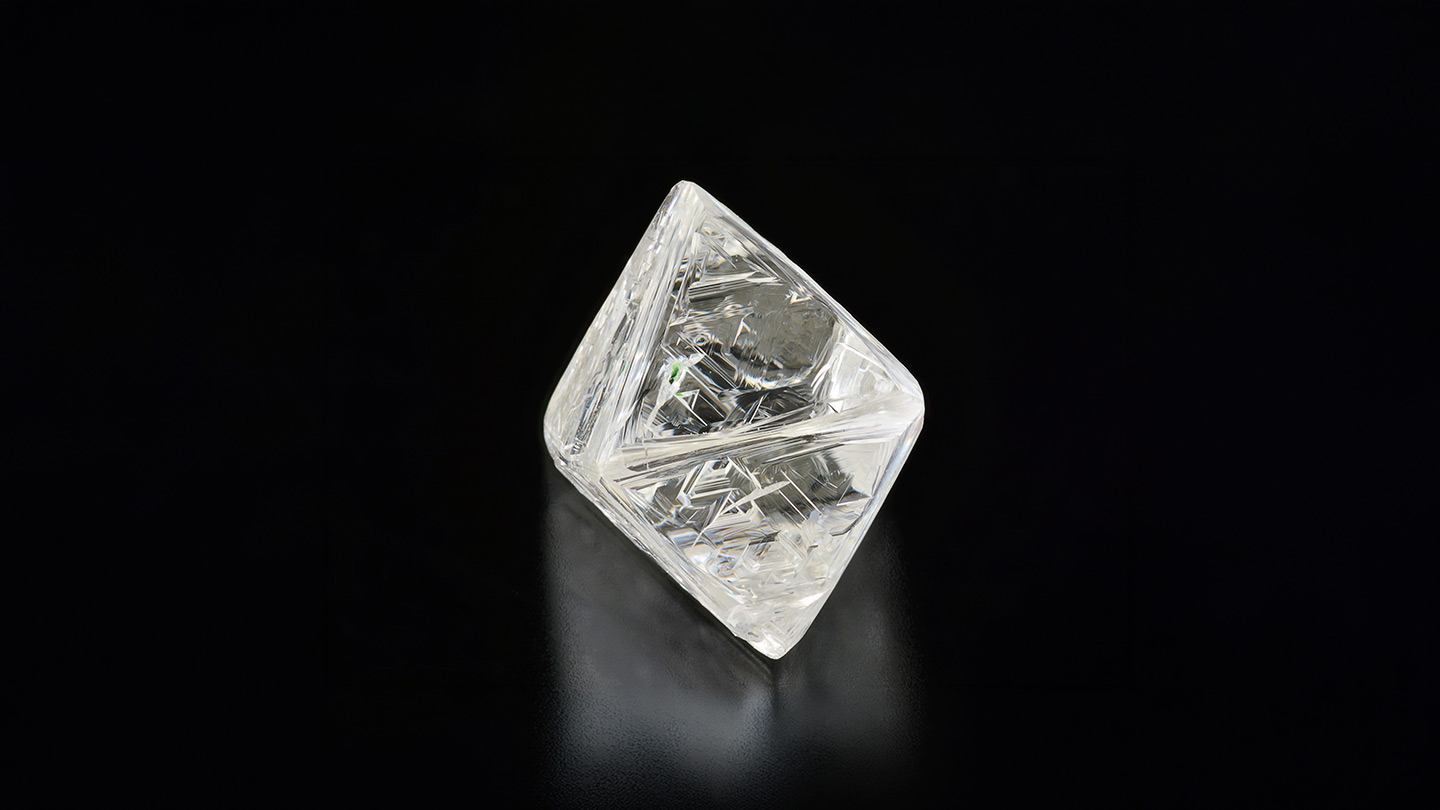
Diamonds form in the Earth’s mantle, roughly 90 to 120 miles underground, where intense heat and pressure cause carbon atoms to bond into diamond crystals over millions to billions of years.
They are then brought to the Earth’s surface through deep volcanic conduits known as kimberlite and lamproite pipes. Some of the world’s most important diamond deposits—such as those in South Africa, Botswana, Russia and Canada—are associated with kimberlite pipes.
Other diamonds, such as those from India, are found in alluvial deposits, where weathering and erosion have carried them into rivers, gravel beds and coastal regions.
From ancient riverbeds to Arctic mines, every diamond carries a story shaped deep within the Earth.
Where are Sapphires and Diamonds Found?
Sapphires and diamonds are found around the world, but country of origin plays a different role in their value. For sapphires, origin can significantly influence price, as certain localities are associated with exceptional quality, rarity or historical significance. Sapphire origin can often be determined by gemological laboratories like GIA.
Diamonds form much deeper within the Earth under more uniform geological conditions, making their country of origin impossible to determine through scientific testing alone. However, diamonds can be traced through blockchain technology and other supply chain initiatives. In some cases, diamonds from specific sources may be more sought-after because their mines are known for ethical or environmental practices.
Sapphire Sources
Kashmir: The Legendary Cornflower Blue
Kashmir, a mountainous region in the Himalayas, produces legendary sapphires known for their velvety, glowing violet blue to blue color— often described in the trade as royal blue. Because the deposit produced gems for only a short time, fine Kashmir sapphires are exceptionally rare and highly sought after.
Myanmar (Burma): Rich Royal Blues
The Mogok Stone Tract in Myanmar, a region known for producing extraordinary rubies, also produces quality sapphires. Burmese sapphires are prized for their intense, saturated royal blue color.
Sri Lanka (Ceylon): Bright Blues and Rare Colors
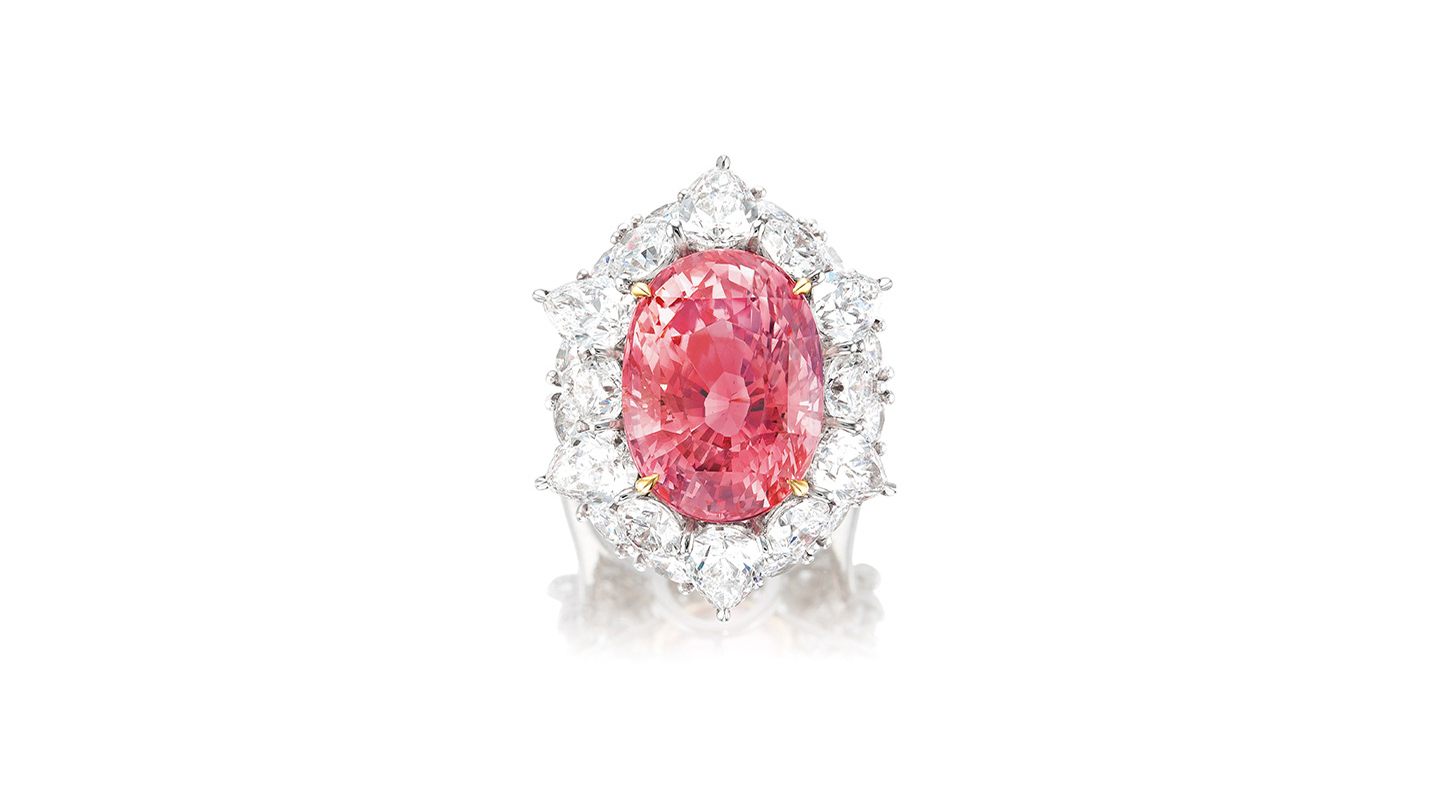
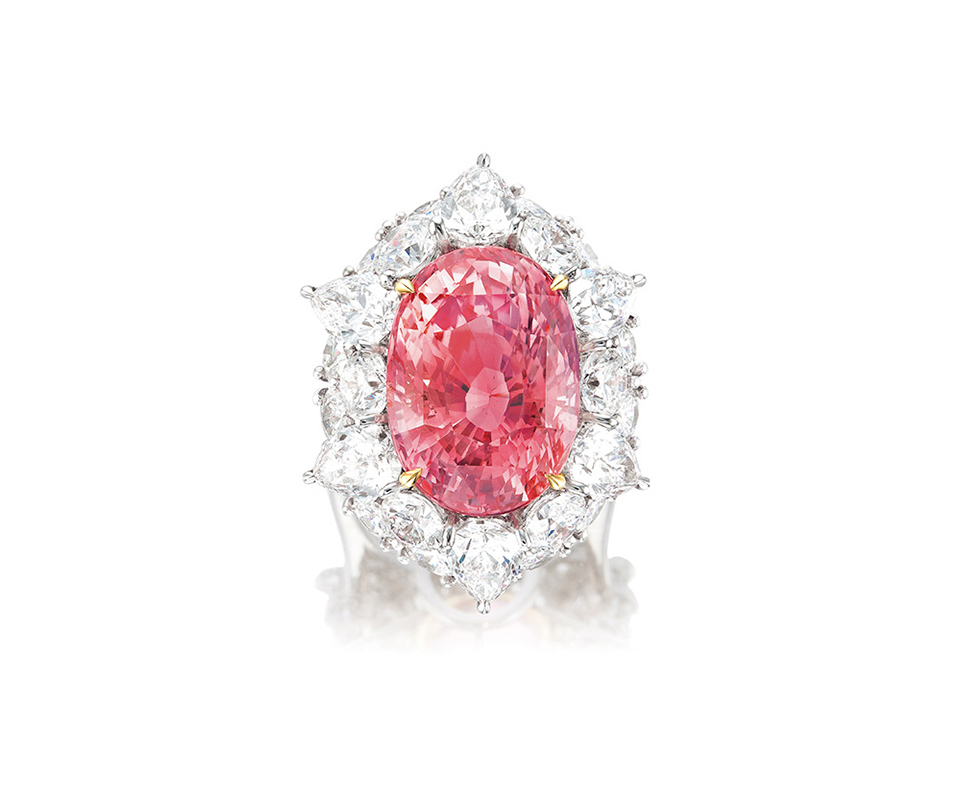
Also known as “Ceylon sapphires,” Sri Lankan sapphires are known for their bright, lively blue color and excellent transparency, including the highly prized cornflower blue. The country is also famous for padparadscha sapphires, whose delicate pinkish-orange hues are often compared to a tropical sunset or lotus blossom.
Thailand: A Historic Sapphire Hub
Thai sapphires are often darker blue, with subtle greenish undertones. Although mining has declined in recent decades, it remains a leading center for gemstone cutting, treatment and trade.
Other Sapphire Sources
Today, sapphires are also mined in places such as Madagascar, Australia and Montana, USA—each producing gemstones with their own distinctive colors and character.
Diamond Sources
India: The Birthplace of Diamonds
India was the world’s first diamond source and remained the only known producer for centuries. Although no longer a major producer, it is linked to legendary gems including the Koh-i-Noor and Hope Diamond.
India was the world’s first diamond source and remained the only known producer for centuries. Although no longer a major producer, it is linked to legendary gems including the Koh-i-Noor and Hope Diamond.
South Africa: A Turning Point in Diamond History
South Africa transformed the diamond industry after major deposits were discovered in the late 1800s, greatly expanding the world’s diamond supply. The country also produced the legendary Cullinan Diamond, the largest gem-quality diamond crystal ever discovered.
Botswana: A Leading Diamond Source
Botswana is one of the world’s largest diamond producers and known for its high-quality diamonds. Jwaneng, one of Botswana’s major diamond mines, ranks among the world’s richest by value. Botswana is also recognized for its efforts in responsible sourcing and economic development.
Russia: Vast Diamond Deposits
Russia is one of the largest diamond-producing countries, particularly in the remote region of Yakutia (Sakha Republic) in Siberia. Some rare Russian diamonds display unique pink and purplish hues, adding to the country’s diverse diamond production.
Canada: Diamonds from the Arctic
Canada produces diamonds primarily from mines in the Northwest Territories. These mines are often associated with traceability and responsible sourcing, making Canadian diamonds popular among consumers interested in origin.
Australia: Rare Colored Diamonds
Australia is famous for the now-closed Argyle Mine, which produced many of the world’s champagne-colored and rare pink, red and violet diamonds.
Other Diamond Sources
Diamonds are also mined in Angola, Namibia, Lesotho and the Democratic Republic of Congo.
Are Sapphires More Expensive than Diamonds?
Sapphire vs diamond price varies widely depending on the quality and size of the gem. Top-quality colorless diamonds and rare fancy color diamonds, such as red, orange, pink, blue, green and violet diamonds, can exceed fine sapphires in price. However, exceptional sapphires—such as those with royal blue color and/or a highly prized geographic origin—can command very high prices.
Ultimately, there is no simple answer to whether sapphires or diamonds are more expensive. Both gemstones span a wide range of price points, with value depending on their individual quality characteristics and, for sapphires, sometimes geographic origin.
What Affects the Price of Diamonds and Sapphires?
Colorless diamonds are prized for their brilliance and fire, and factors such as color, clarity, cut and carat weight—known as the 4Cs of Diamond Quality—can have a significant impact on value. Sapphires, by contrast, are celebrated for their rich color, with hue, saturation, origin and treatment often playing the greatest role in price.
Gemstone Color: Sapphires vs. Diamonds
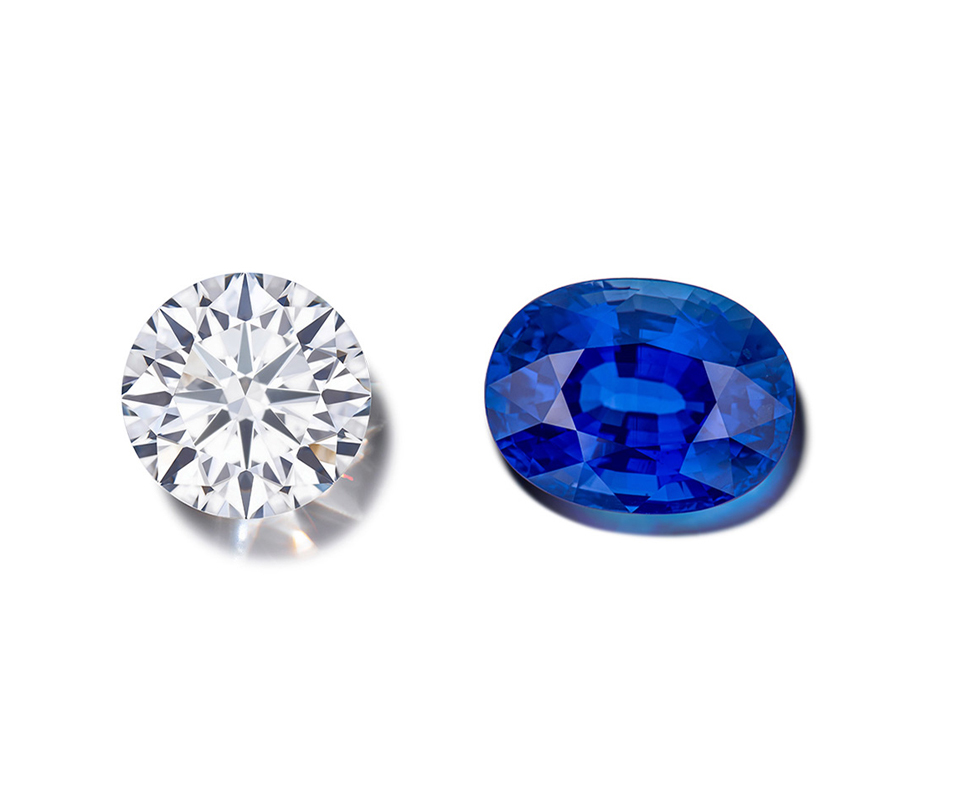
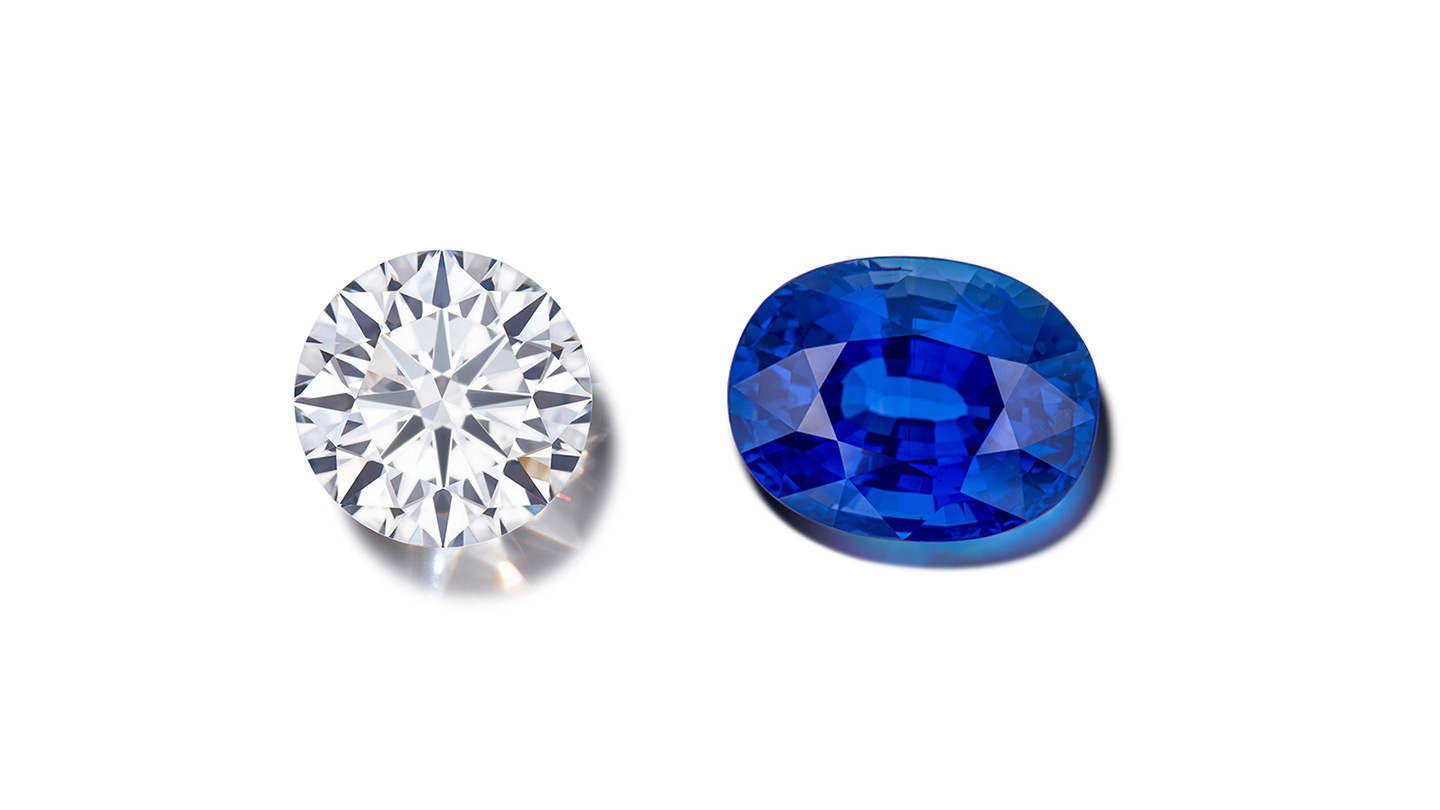
Both sapphires and diamonds come in a range of beautiful colors. Richly saturated cornflower and royal blue sapphires, along with classic colorless diamonds, remain timeless favorites. At the same time, many buyers are drawn to sapphires with unusual colors and greater affordability.
Sapphire Color
Diamond Color
Traditionally, the most prized sapphires fall within the cornflower to royal blue range. Cornflower blue is typically a softer, medium blue to violet blue with a luminous, velvety quality. Royal blue, by contrast, is a deeper, more saturated blue, giving the gem a bolder appearance.
Recently, buyers have increasingly embraced lighter, more unconventional sapphire colors, many of which are more accessible than traditional blue stones. “Denim” and “blueberry” sapphires—often showing soft blue tones with hints of teal, gray or green—have become popular for their understated beauty.
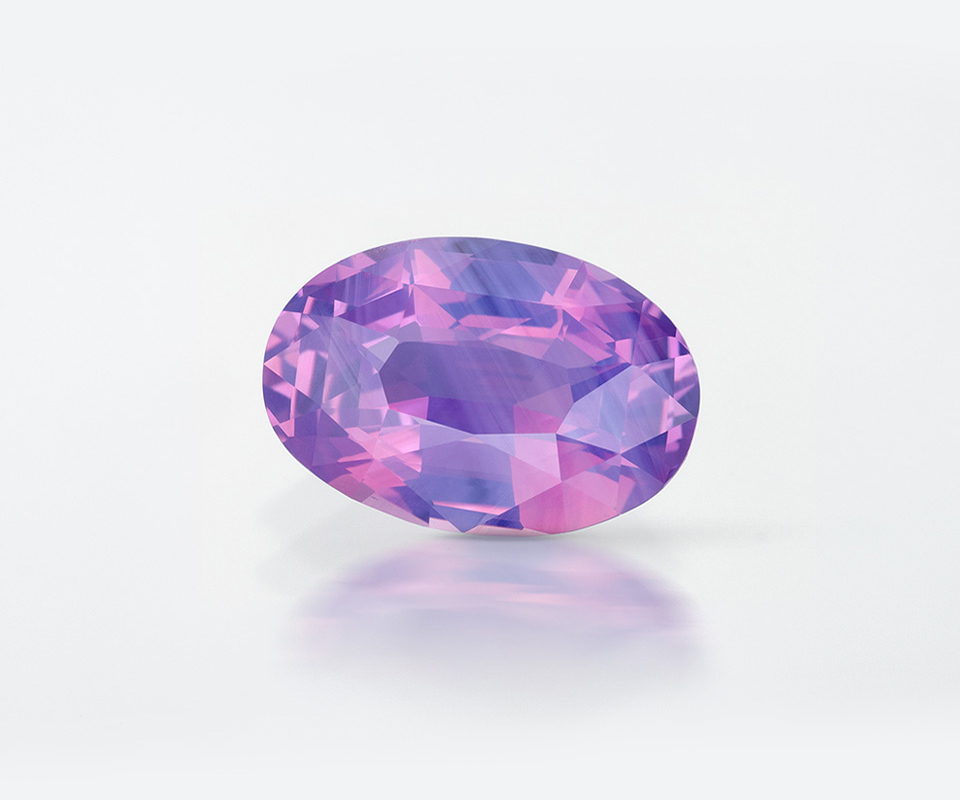
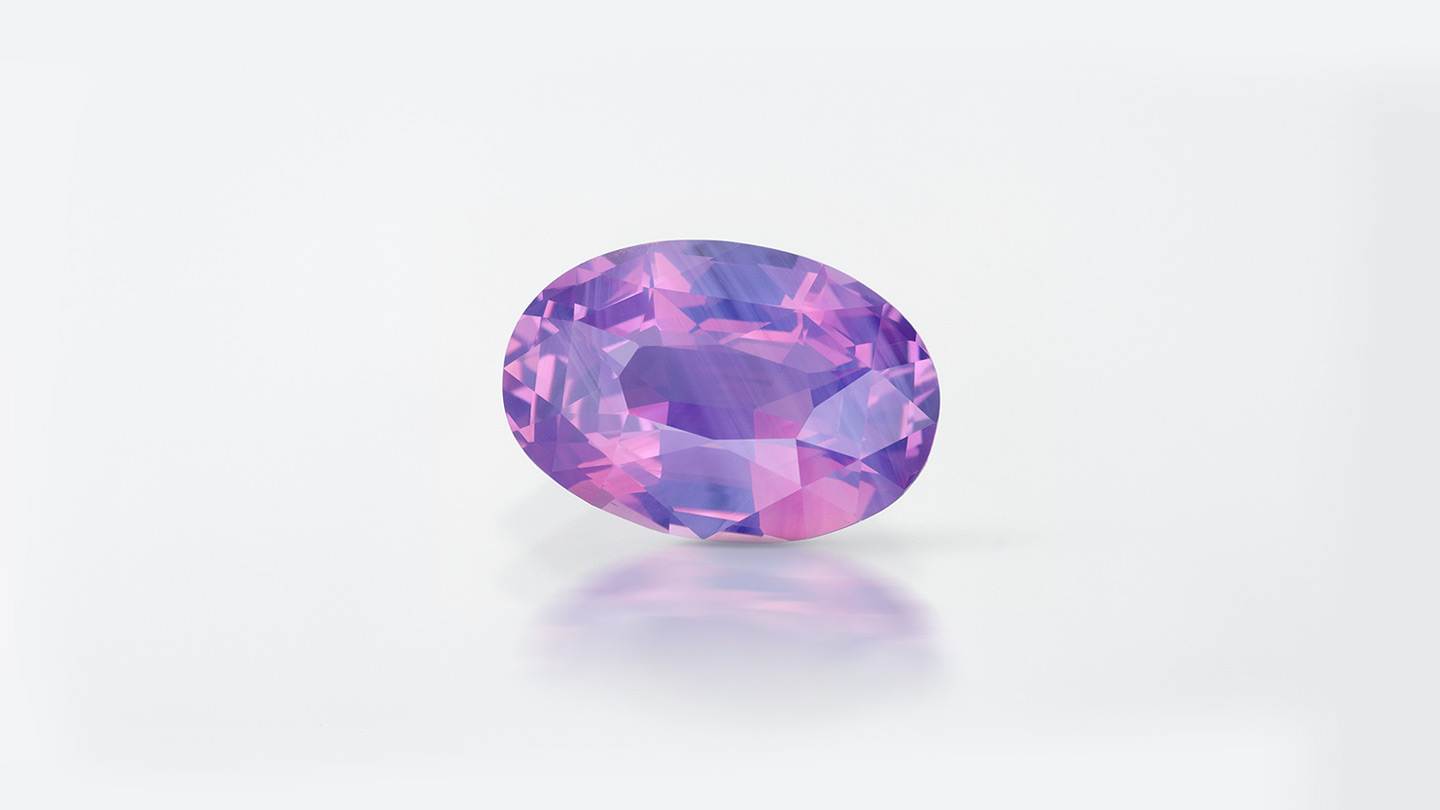
Opalescent, silky and bi-color sapphires are also gaining attention. Some buyers appreciate the soft glow created by microscopic inclusions that gently diffuse light, while others are drawn to bi-color stones for their one-of-a-kind appearance.
Many of these trends are especially visible in Montana sapphires, admired for their blue-green hues, subtle color shifts and frequent lack of heat treatment. Often unheated and sometimes fashioned into fantasy cuts, Montana sapphires can offer a more affordable alternative to highly saturated sapphires from Kashmir or Myanmar.
Today’s gemstone trends reflect a growing appreciation for individuality, natural beauty and value.
Gemstone Clarity: Sapphires vs. Diamonds
Clarity refers to the presence of internal features (inclusions) and surface blemishes within a gemstone. While clarity affects the appearance and value of both sapphires and diamonds, it is evaluated differently for each.
Sapphire Clarity
In sapphires, inclusions are common and generally more accepted than in diamonds. Small internal features usually do not affect beauty or value unless they are eye-visible or impact durability. In some cases, inclusions can even be desirable. Fine Kashmir sapphires, for example, are prized for their soft, velvety appearance created by microscopic inclusions that gently scatter light.
Rather than seeking perfect clarity, sapphire buyers often prioritize color and transparency. GIA classifies the transparency of colored stones as: Transparent, Translucent or Opaque. So long as a sapphire is transparent, a gem with vivid color and slight inclusions may be more desirable than a cleaner gem with weaker color.
Diamond
Clarity
In diamonds, clarity is an important part of the 4Cs and is graded on a standardized scale from Flawless (FL) to Included (I). Diamonds are prized for their brilliance, and large or numerous inclusions can reduce transparency and sometimes affect durability. As a result, diamonds with fewer visible inclusions—particularly Flawless, Internally Flawless (IF) and Very Very Slightly Included (VVS) stones—typically command higher prices. However, many inclusions are microscopic and not visible to the naked eye. In fact, inclusions in diamonds graded VS2 or higher are often not eye-visible, especially in brilliant cuts, which tend to hide inclusions better than step cuts.
Gemstone Cut: Sapphires vs. Diamonds
Cut, polish and symmetry play an important role in the beauty and value of both diamonds and sapphires, but it is approached differently for each gemstone.
In diamonds, cut quality is one of the most important quality factors because it directly affects brilliance, fire and sparkle. A well-cut diamond reflects light back to the viewer, creating the bright flashes and scintillation diamonds are known for.
Sapphire cutting is more individualized. Cutters shape stones to prioritize color. Some sapphires are cut deeper to intensify color, while darker stones may be cut shallower to allow more light to pass through. Inclusions and crystal orientation also influence cutting decisions. Sapphires are commonly fashioned into oval, cushion and emerald cuts, which can showcase color while minimizing visible color zoning.
Ultimately, diamonds have more standardized proportions to maximize brilliance while sapphires have more unique proportions to emphasize color.
Gemstone Carat Weight: Sapphires vs. Diamonds
Carat weight measures a gemstone’s weight although many also associate it with physical size. One carat equals 0.2 grams, but two gemstones of the same carat weight may appear different in size depending on their proportions. A deeper gem with a narrower diameter may appear smaller face-up.
Because sapphires are denser than diamonds, a one-carat sapphire may appear slightly smaller than a one-carat diamond of the same shape. Cut also influences appearance—a deeper sapphire, for example, may face up smaller than a shallower stone of the same weight.
Carat weight affects the value of both sapphires and diamonds, as larger gemstones are rarer and more valuable. In diamonds, however, prices often rise sharply as size increases—particularly for stones that maintain excellent cut, color and clarity. Sapphires are also valued by carat weight, but color, origin and treatment can play an equally important role.
When comparing diamonds and sapphires, it is often more helpful to consider a gemstone’s face-up size and overall appearance, rather than carat weight alone. A well-cut gemstone with beautiful sparkle or color may appear more impressive than a heavier stone that hides most of its weight in the pavilion or appears dull.
Symbolism and Lore: Sapphires vs. Diamonds
For centuries, sapphires and diamonds have been steeped in traditions and symbolism, associated with qualities ranging from fidelity and nobility to strength and everlasting love.
Sapphire Symbolism: Loyalty, Wisdom and Royal Romance
Sapphires have long been associated with wisdom, truth, loyalty and protection. In ancient cultures, they were believed to guard against harm, while royalty and clergy wore them as symbols of nobility, virtue and spiritual wisdom.
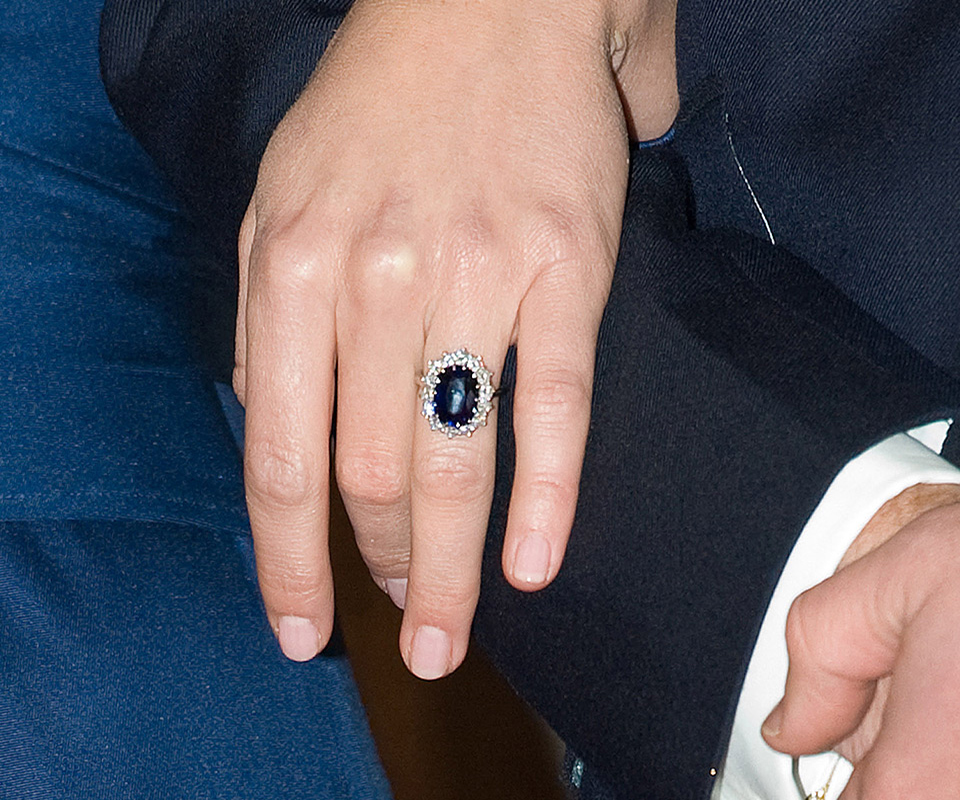
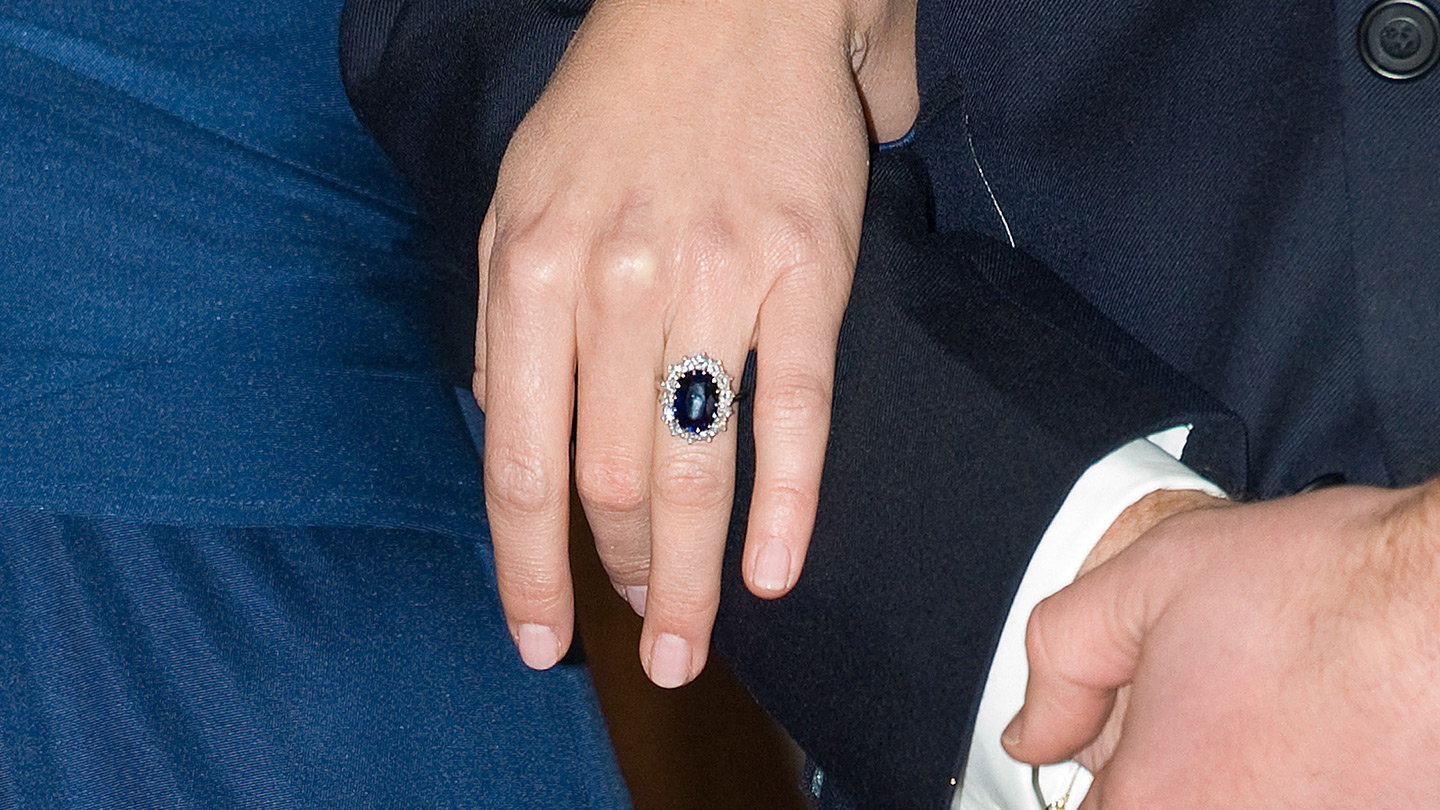
Royal sapphire engagement rings—including the famous sapphire worn by Princess Diana and later Catherine, Princess of Wales—have reinforced the gem’s association with royalty and romance. More recently, Princess Beatrice’s padparadscha sapphire engagement ring helped shine a spotlight on this rare pinkish-orange sapphire variety.
Diamond Symbolism: Strength and Everlasting Love
Diamond’s exceptional hardness—the greatest of any natural gemstone—has contributed to their association with strength, endurance and eternal love. The word diamond comes from the Greek word adamas, meaning “unbreakable” or “invincible.”
Diamonds have been linked to romance for centuries. In 1477, Archduke Maximilian of Austria is said to have given Mary of Burgundy the first recorded diamond engagement ring among European nobility. Diamonds became the dominant engagement ring stone in the 20th century when the famous “A Diamond Is Forever” slogan helped cement their connection to everlasting love and commitment.
Ultimately, whether you are drawn to a sapphire’s associations with truth, loyalty and devotion, or diamond’s symbolism of eternal love and strength, both gemstones carry stories that extend far beyond their beauty.
Should I Buy an Engagement Ring with Diamonds or Sapphires?
Choosing a sapphire vs diamond engagement ring comes down to lifestyle, taste and budget.
Both gemstones are durable enough for everyday wear. Diamonds rank 10 on the Mohs scale of hardness, while sapphires rank 9, making both highly resistant to scratching. Although diamond is four times harder than sapphire, sapphire has excellent toughness, while diamond has good toughness and can chip or fracture if struck with sufficient force along certain crystal directions. Both gems are chemically stable and relatively resistant to heat, helping them hold up well to daily wear.
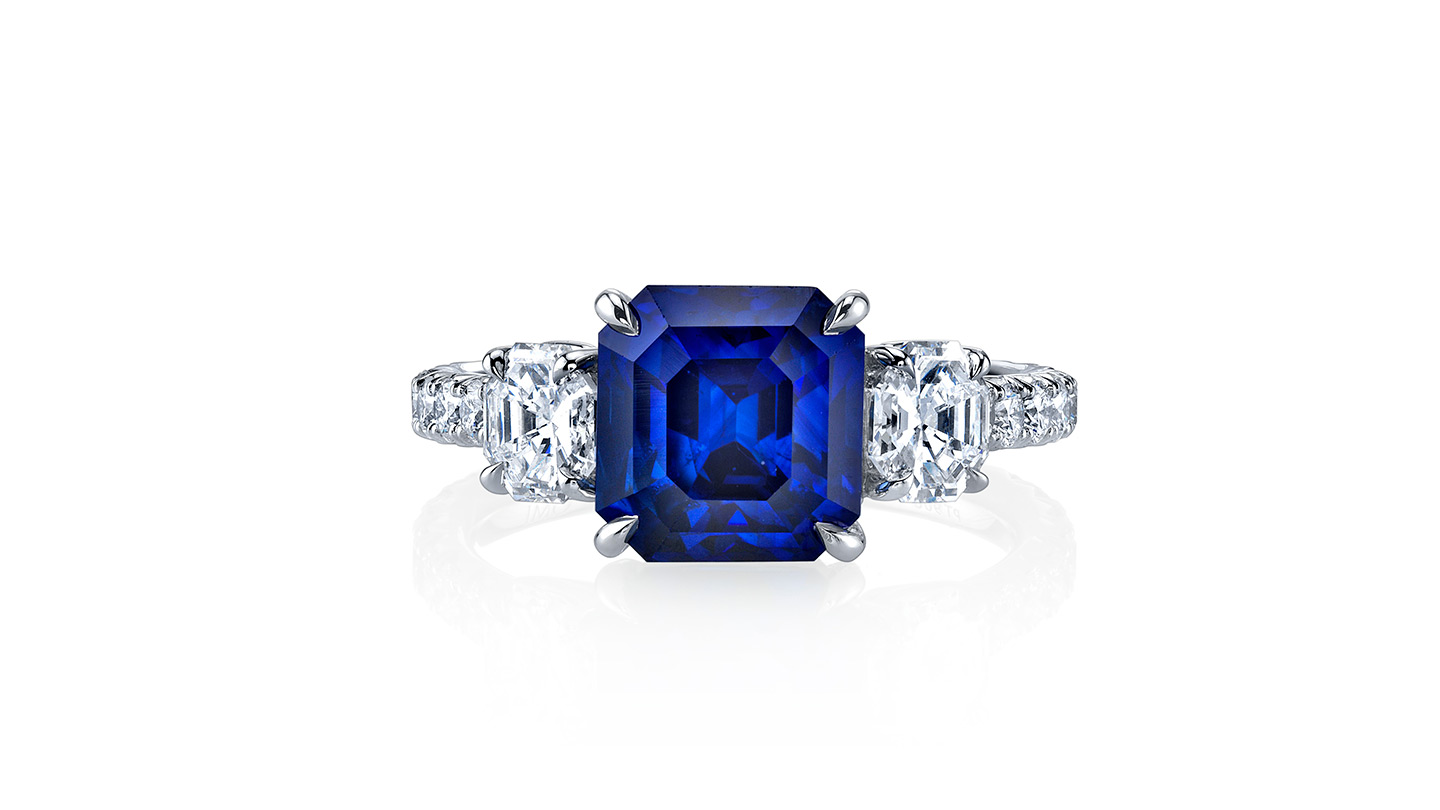
Budget may also influence the decision. Fine sapphires can be more affordable than top-quality colorless diamonds, though rare varieties such as royal blue or padparadscha sapphires can command premium prices.
Ultimately, there is no right or wrong choice. Both gems carry rich meaning and can be treasured as heirlooms for generations.
Purchasing a Sapphire or Diamond with a GIA Report
A fine diamond or sapphire is a valuable investment. The identity of the gemstone (whether it’s natural or laboratory-grown), its quality factors, potential treatments and even geographic origin can have significant impact on the value of the gem. Purchasing a gem with a GIA report or submitting your gem to the GIA laboratory can provide peace of mind in the authenticity of your purchase. A GIA report offers an independent assessment of a gemstone’s identity, quality, treatment and other value factors.
For diamonds, clients can choose from several report options depending on the stone and level of detail desired.
For smaller diamonds, the GIA Diamond Dossier® includes key grading information—such as the 4Cs (color, clarity, cut and carat weight)—along with a laser-inscribed report number.
A GIA Diamond Grading Report provides more comprehensive documentation, including a plotted diagram of clarity characteristics.
For sapphires and other colored gemstones, a GIA Colored Stone Identification Report can identify the gemstone, its color and transparency, and determine whether it has undergone treatments such as heating.
A GIA Colored Stone Identification & Origin Report may also include an opinion on geographic origin, which can be especially important for sapphires from Kashmir, Myanmar (Burma) or Sri Lanka (Ceylon), where origin can significantly influence value.
GIA has analyzed some of the world’s most legendary gemstones, including the mysterious Hope Diamond and the record-setting Logan Sapphire, one of the largest faceted blue sapphires in the world. Whether for engagement rings, heirloom pieces or collector gems, professional analysis by GIA can provide valuable insight into a gemstone’s quality and unique characteristics.
Whether you are drawn to the timeless brilliance of a diamond or the enchanting hues of a sapphire, understanding the differences in durability, value and symbolism can help you choose the gemstone that best suits your taste and budget. Both sapphires and diamonds offer lasting beauty and are meaningful symbols of love and commitment.