Please ensure Javascript is enabled for purposes of website accessibility.
Search
Search
Search

Pink Diamond Engagement Ring Buying Guide

Estimated Reading Time:

25

minutes

Estimated Reading Time:

25

minutes

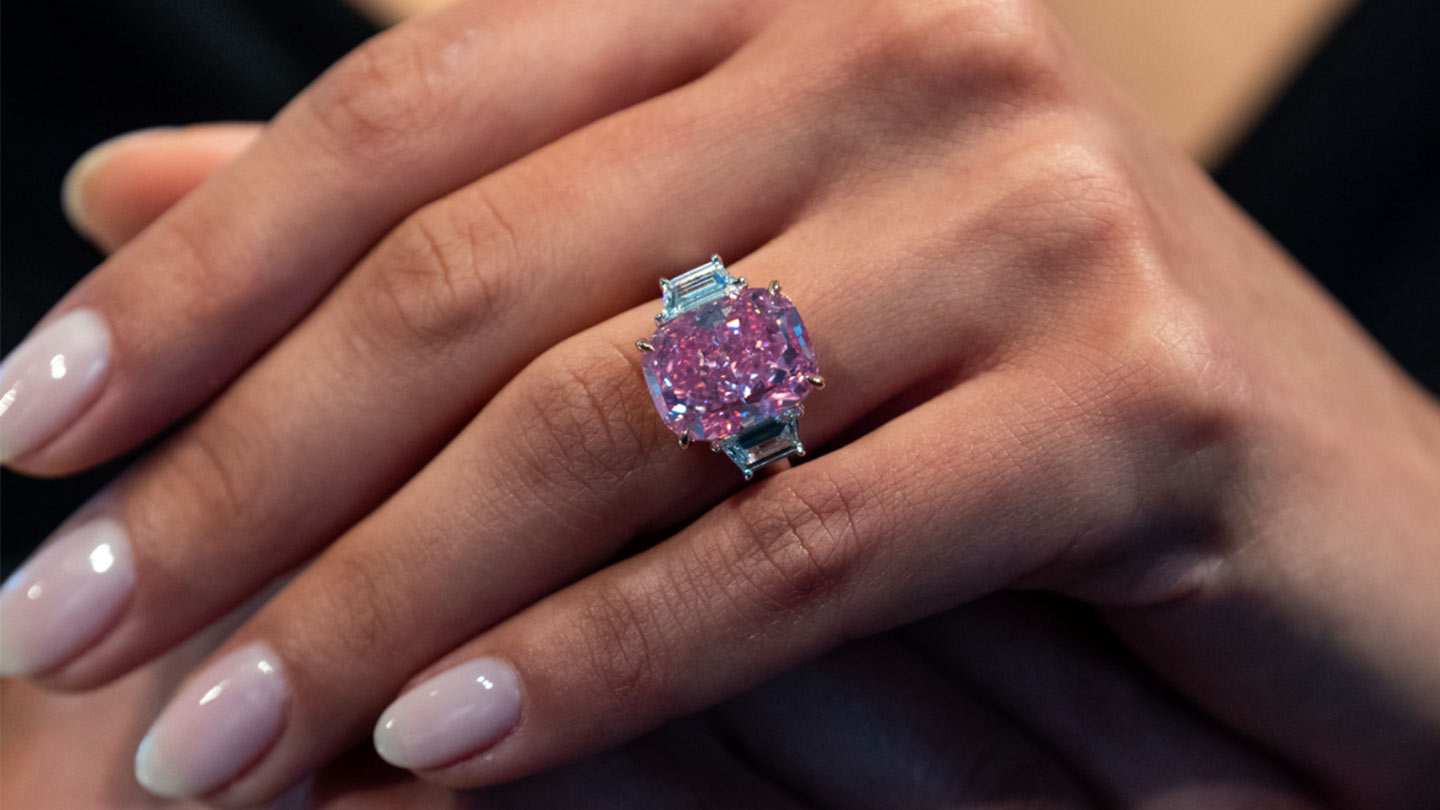
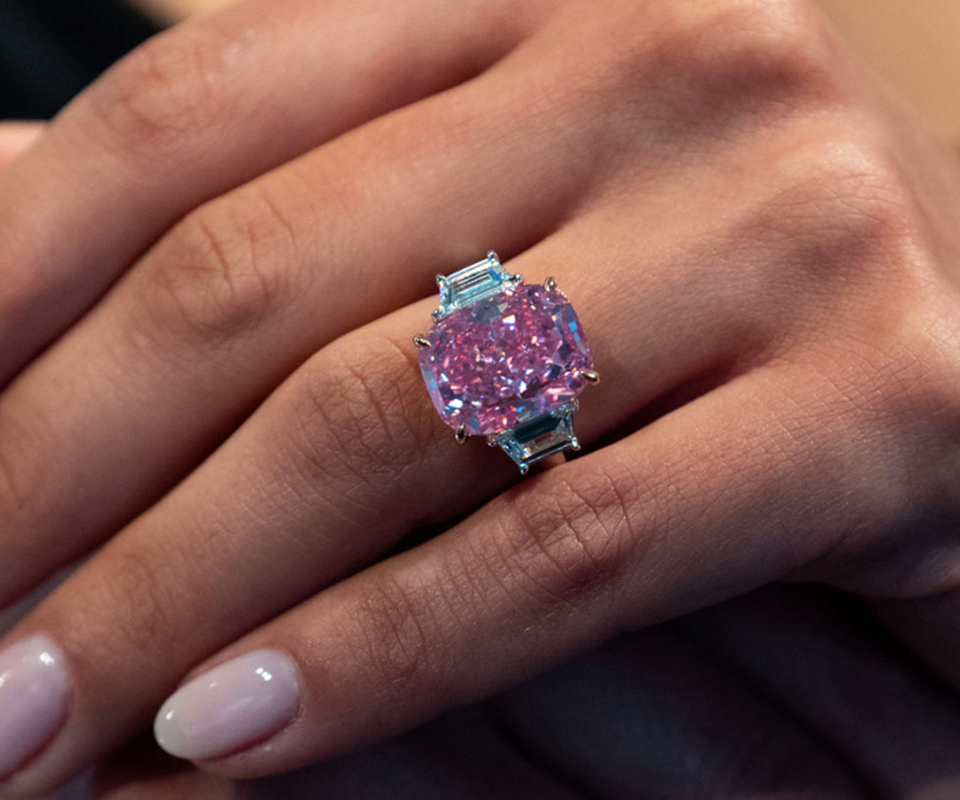
Closeup of woman's hand wearing the Sakura pink diamond ring

Photo by ANTHONY WALLACE/AFP via Getty Images
The breathtaking 15.81-carat Sakura Diamond was graded Fancy Vivid Purple-PinkInternally Flawless by GIA. From orange-pink to pink to purple-pink, pink diamonds are stunning and highly desirable in a range of hues.

With soft, romantic hues ranging from blush to vivid purplish pink, pink diamonds may appear delicate—but they are among the hardest and most dazzling gems on Earth. Their extraordinary blend of beauty, rarity and durability has made them one of the most desired and valuable gemstones in the world.

Pink diamonds symbolize sophistication, love and enduring beauty. Sought after by investors and jewelry enthusiasts alike, they are often chosen for engagements and other momentous occasions. In this guide, we’ll explore how these remarkable gems form, their rich history and lore, how GIA evaluates their quality, and what to consider when selecting the perfect pink diamond for your collection or engagement ring.

Navigate to:

How Do Pink Diamonds Form?

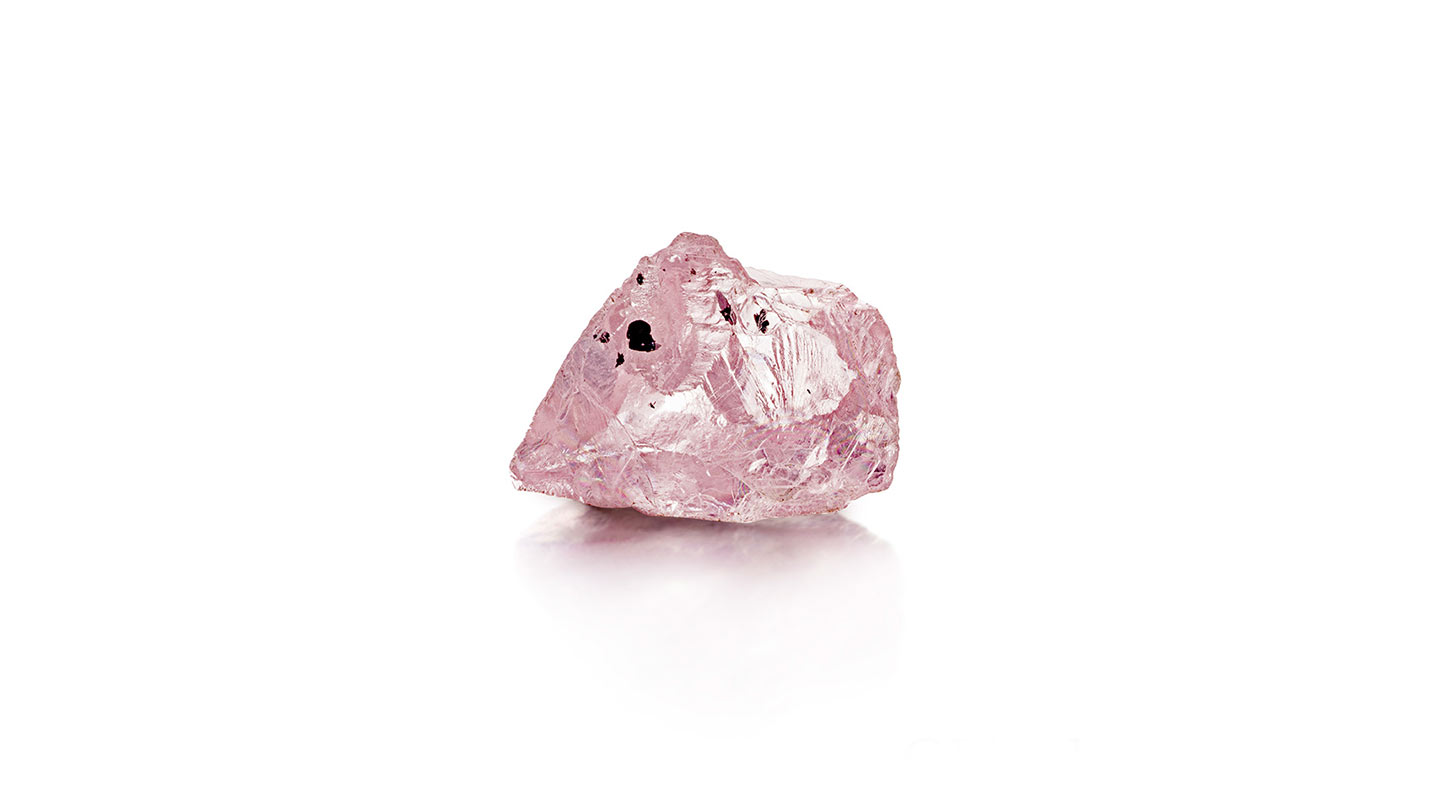
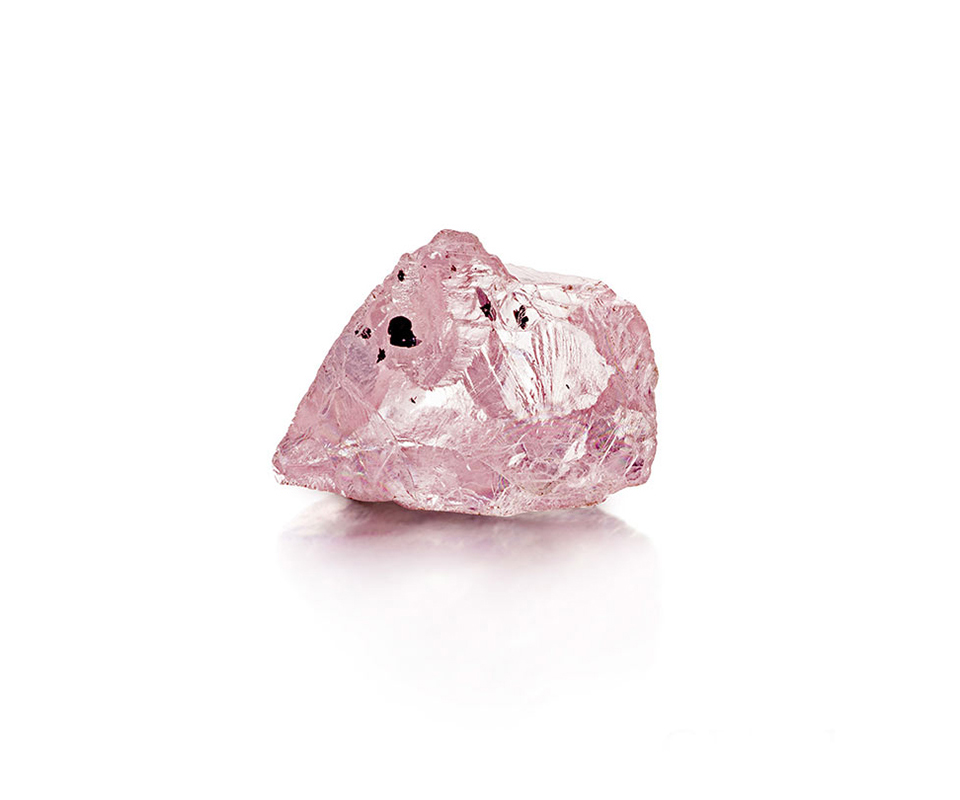
Pink diamond crystal from Tanzania
Courtesy of Petra Diamonds
This 23.16-carat pink diamond was unearthed from the Williamson diamond mine in Tanzania in 2015. The Williamson mine is known for producing “bubble-gum pink” diamonds.
Pink diamond crystal from Tanzania
Courtesy of Petra Diamonds
This 23.16-carat pink diamond was unearthed from the Williamson diamond mine in Tanzania in 2015. The Williamson mine is known for producing “bubble-gum pink” diamonds.

Love is a mystery—and so is the source of a pink diamond’s color.

Pink diamonds form the same way all natural diamonds do—deep underground, far below the Earth’s surface. Scientists estimate they form 100 to 800 kilometers (about 60 to 500 miles) down in the Earth’s mantle, where temperatures can reach over 1,100°C (2,000°F) and pressure is immense. Under these conditions, carbon slowly crystallizes over millions to billions of years to form diamond. For diamonds to reach the surface, they must then be carried upward by rare volcanic eruptions through kimberlite pipes.

While the formation journey is the same, what makes pink diamonds so special is how they get their color. Most colored diamonds, like blue or yellow, owe their color to trace elements—boron in blue diamonds or nitrogen in yellow. But pink diamonds are different. Scientists believe their pink color comes from stress.

Deep within the Earth, the diamond’s crystal structure was squeezed and subtly twisted in a process called plastic deformation. This tiny change in the crystal affects how light travels through it, creating pink tones that can range from soft blush to vivid purplish pink.

In some pink diamonds, you can even see delicate internal lines—called pink graining—that mark where the crystal was stressed. This is why pink diamonds are so rare: they require a perfect balance of heat, pressure, time and chance.

Laboratory-Grown Pink Diamonds

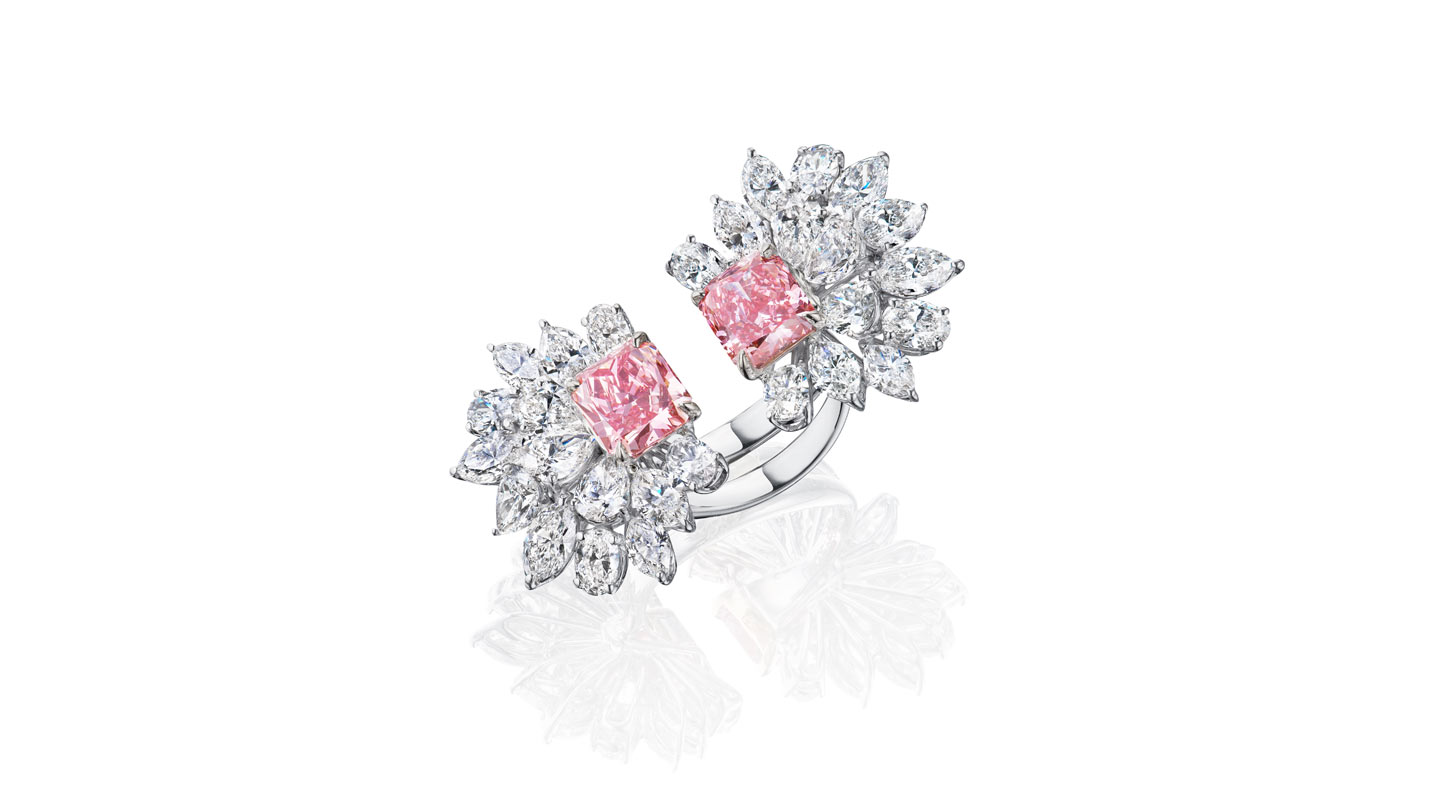
Open-style ring with two lab-grown pink diamonds surrounded by colorless diamonds resembling flower petals
Courtesy of Shiphra Jewelry
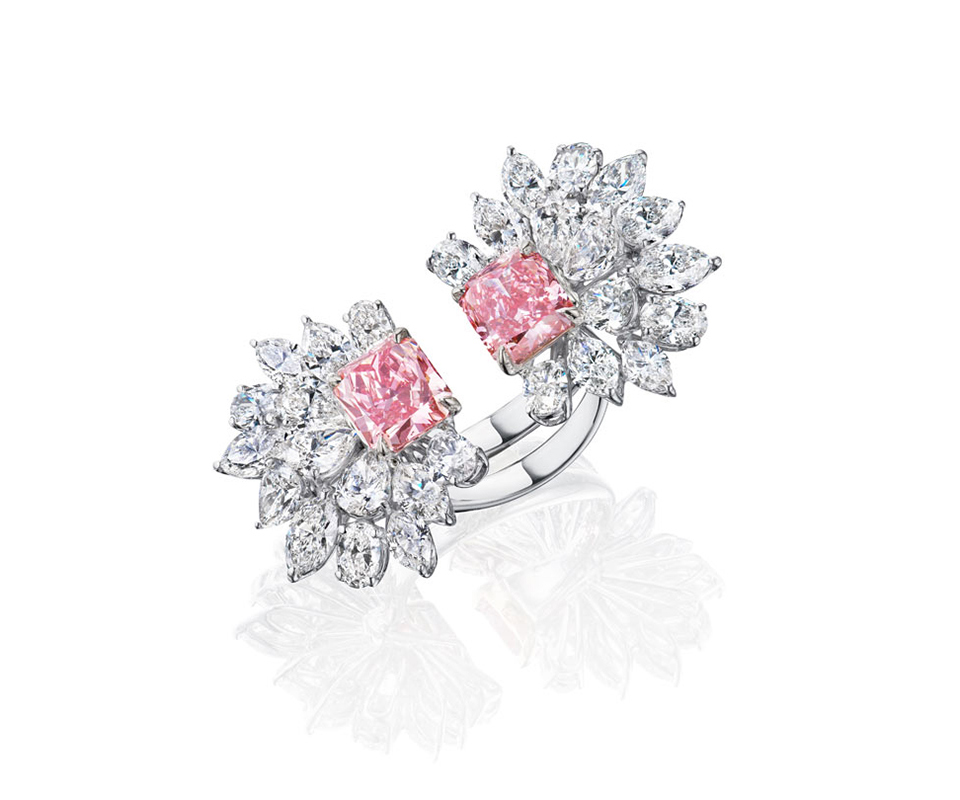
This glamorous open ring features two laboratory-grown, vivid pink, radiant cut diamonds surrounded by colorless laboratory-grown diamonds.
Open-style ring with two lab-grown pink diamonds surrounded by colorless diamonds resembling flower petals
Courtesy of Shiphra Jewelry
This glamorous open ring features two laboratory-grown, vivid pink, radiant cut diamonds surrounded by colorless laboratory-grown diamonds.

Laboratory-grown pink diamonds are created using one of two main methods:

  • HPHT (High Pressure, High Temperature):
    In the HPHT method, a small diamond seed is placed with carbon under extreme heat and pressure—conditions that mimic those deep within the Earth—allowing the carbon to crystallize around the seed.
  • CVD (Chemical Vapor Deposition):
    This method grows diamonds in thin layers inside a vacuum chamber. A gas containing carbon is heated, and the carbon atoms slowly build up on a diamond “seed,” forming a larger crystal over time.

Treated Natural Diamonds

It is also possible to enhance the color of natural diamonds. Some pale brown or very light diamonds can be treated with irradiation and heat to produce a pink color. Some brownish pink natural diamonds are HPHT-treated to remove the brownish color and retain the pink color.

These stones are still natural diamonds, although their color is not. Treated diamonds are generally less valuable than natural, untreated pink diamonds, but more valuable than laboratory-grown pink diamonds.

How Rare Are Pink Diamonds?

Pink diamonds are among the rarest gemstones on Earth, and the majority of pink diamonds are small, faintly colored or included. Truly fine pink diamonds—those with saturated color, high clarity and notable size—are exceptionally scarce. 

Until its recent closure, the Argyle mine in Western Australia supplied a significant amount of the world’s pink diamonds. With Argyle no longer producing, the supply of natural pink diamonds has become even more limited, intensifying global demand. 

Because of this rarity, large pink diamonds with vivid color can command millions per carat. This is especially true for those with high clarity or notable provenance. The 11.15-carat, Internally Flawless, Fancy Vivid Pink Williamson Pink Star diamond sold for $57.7 million at auction in 2022, over $5.1 million per carat.   

Where Are Pink Diamonds Found?

Pink diamonds are extremely rare and have been found in only a few places around the world. One of the earliest sources was southern India in the 1600s and 1700s. Two famous pink diamonds from this region are the Daria-i-Noor, an estimated 182-carat light pink diamond, and the Noor-ul-Ain, a vivid pink diamond of about 60 carats. Both are now part of royal Iranian regalia and helped establish pink diamonds as symbols of luxury and rarity. Pink diamonds have also been found in Brazil, Russia and Africa, including Tanzania’s Williamson mine.  

In recent decades, the most important source of pink diamonds was the Argyle mine in Western Australia. Even there, pink diamonds were incredibly rare. According to the mine’s owner, Rio Tinto, Argyle produced more than 800 million carats of diamonds total—but less than 1% of those were pink. And only a tiny number of those were the strong, vibrant pinks that collectors prize.  

The Argyle mine closed in 2020, meaning the world’s main supply of pink diamonds has now effectively ended. This is why pink diamonds are so valuable: they are beautiful, limited in supply and becoming even harder to find. 

How Are Pink Diamonds Graded?

Pink diamond color chart showing variations in tone, hue and saturation used in gemstone grading
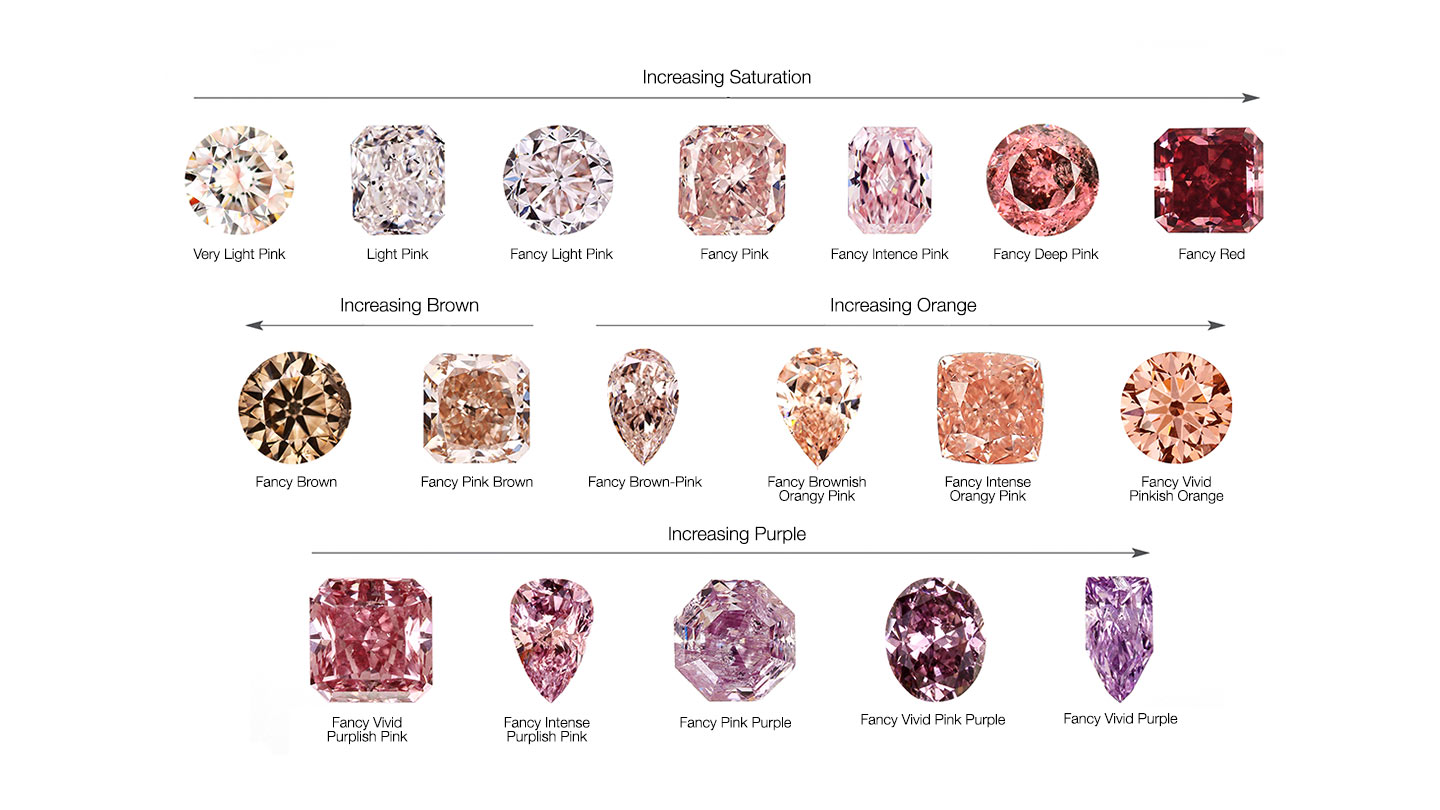
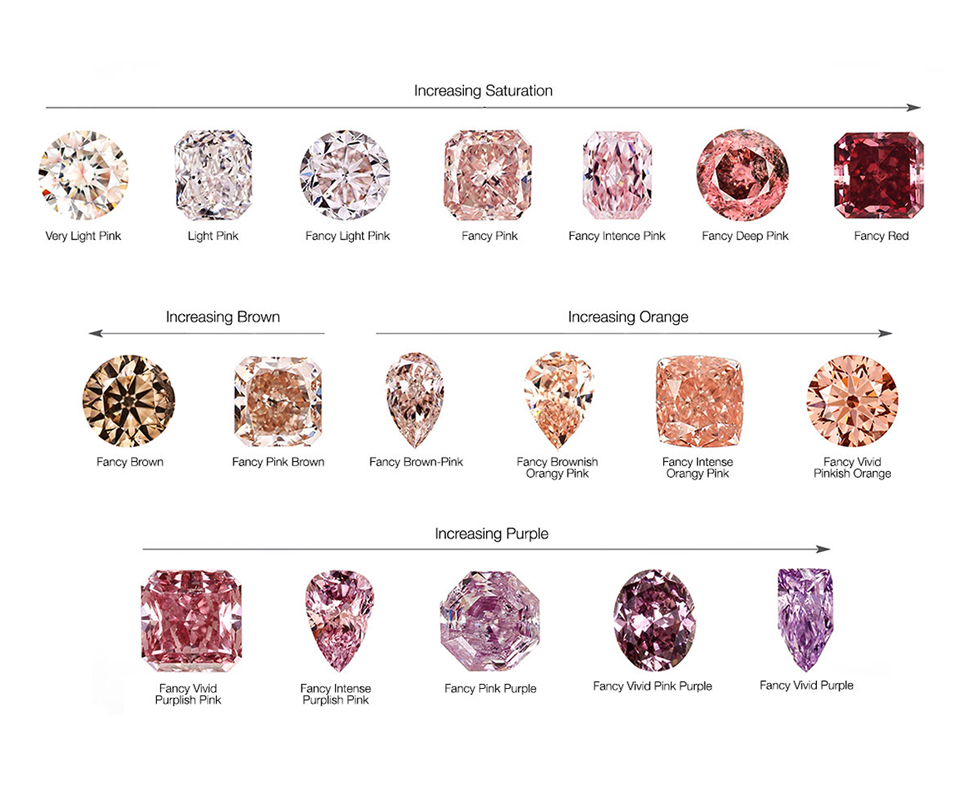
This chart illustrates the range of pink diamonds, showing variations in tone and saturation. It includes pure pink diamonds as well as those with secondary hues of orange or purple.
Pink diamond color chart showing variations in tone, hue and saturation used in gemstone grading.
This chart illustrates the range of pink diamonds, showing variations in tone and saturation. It includes pure pink diamonds as well as those with secondary hues of orange or purple.

GIA assesses three key color qualities when looking at diamonds: hue (the dominant color), tone (how light or dark the color appears), and saturation (how strong or intense the color is).

Pink diamonds are then placed on a color scale that ranges from Faint to Fancy Deep. Most pink diamonds are on the lighter end of the scale, showing soft blush or pastel tones. The strongest and most valuable colors are Fancy Intense and Fancy Vivid, which display rich, highly saturated pink—these are exceptionally rare.

Most pink diamonds also show secondary hues, such as purplish pink, brownish pink or orangy pink. These naturally formed color variations are part of what makes each pink diamond unique.

When the saturation is extremely strong and the tone is deep enough, the diamond may be classified as Fancy Red rather than pink. Natural Fancy Red diamonds are even rarer than pink diamonds, so this difference in color grade means a significant difference in value.

By examining each diamond with this level of detail, GIA provides clear, consistent descriptions of color—helping collectors and buyers understand exactly what makes each pink diamond so special.

Pink Diamond Alternatives

For those drawn to pink but seeking more affordable alternatives to pink diamonds, there are several captivating choices.

Natural Pink Diamond Alternatives

The following natural gemstones offer enchanting color at a more accessible cost.

Pink Sapphires

With a hardness of 9 on the Mohs scale, pink sapphires are remarkably durable and available in shades from soft blush to vivid magenta. Though they lack diamond’s fire and intense brilliance, they offer striking color.

Morganite

Morganite, a peach-to-pink member of the beryl family (which includes emerald and aquamarine), exudes soft, romantic charm. With a hardness of 8 on the Moh’s scale, it’s durable enough for everyday wear and available in impressive sizes. Morganite is more affordable than pink sapphire, though pure pink morganites command higher prices than their peach or champagne counterparts.

Pink Spinel

Pink spinel is prized for its vivid saturation and lively brilliance, with some stones displaying an electric, neon-like glow. Fine-quality material is often eye-clean, enhancing its sparkle. With a hardness of 7.5 to 8 on the Mohs scale, spinel is hard enough for everyday ring wear, especially when set securely.

Pink Tourmaline

Pink tourmaline ranges from soft blush to deep fuchsia and offers strong color at a moderate price point. The most saturated pink to red stones are known in the trade as rubellite. Eye-clean material is rarer and more valuable. With a hardness of 7 to 7.5, it can be worn in rings but should be set in protective settings and worn with care.

Pink Garnet

Pink garnet—especially rhodolite and malaya varieties—features saturated tones from purplish pink to warm rose and can offer excellent value. Fine stones are often eye-clean. With a hardness of 7 to 7.5, garnet can be used in rings but requires moderate care if worn daily.

Kunzite

A variety of spodumene, kunzite radiates a soft lavender-to-pink hue and can come in impressive sizes at accessible price points. However, its color may fade with prolonged exposure to light or heat—hence its nickname, the “midnight stone,” since it’s best worn in the evening. At 6.5 to 7 on the Mohs scale, it requires care when worn as a ring stone.

Laboratory-Grown Pink Diamond Alternatives

Pink moissanite and pink cubic zirconia (CZ) are two of the most popular lab-created alternatives to pink diamonds.

Pink Moissanite

Moissanite, with a hardness of 9.25 on the Mohs scale, offers exceptional brilliance and durability suitable for everyday wear. However, not all pink moissanites are the same—some are grown with the pink color infused throughout the crystal (making them permanent), while others are surface-coated, meaning their color can fade or chip over time when exposed to heat, chemicals or cleaning solutions. For lasting color, non-coated or “body-colored” pink moissanite is the superior choice.

Pink Cubic Zirconia (CZ)

Pink CZ provides an even more affordable option. Its sparkle and color can mimic a pink diamond at first glance, but it is not as hard as diamond or moissanite. Both offer romantic pink hues at a fraction of the price of a natural diamond—the difference lies in how long you want that beauty to last.

What Do Pink Diamonds Symbolize?

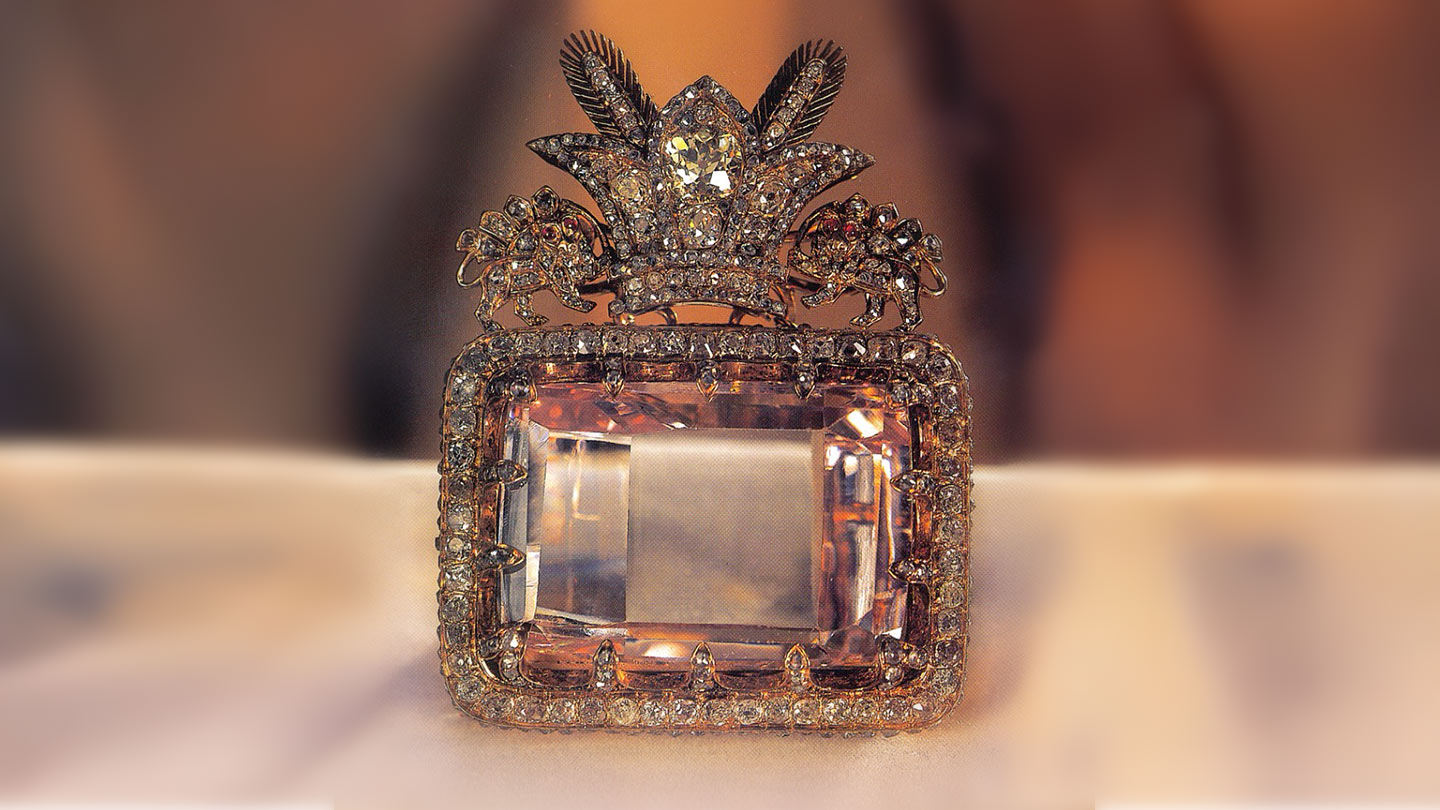
182-carat Darya-i-Noor pink diamond
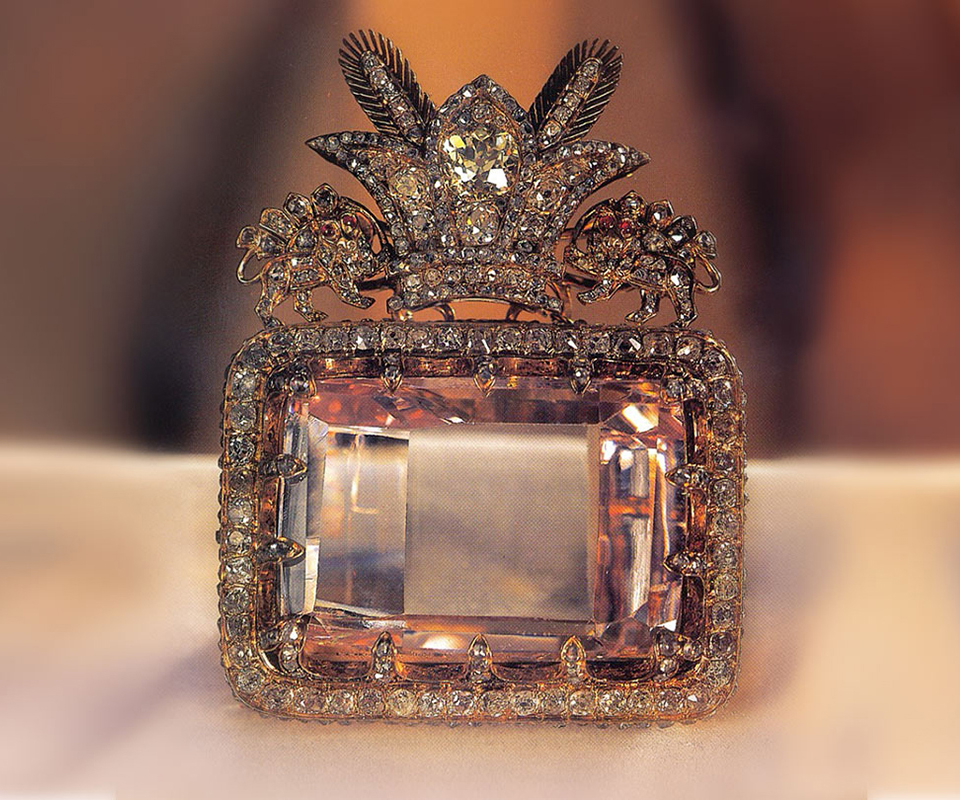
The 182-carat Daria-i-Noor (“Sea of Light”) is the largest known pink diamond in the world. It is now a part of the Iranian crown jewels.
182-carat Darya-i-Noor pink diamond
The 182-carat Daria-i-Noor (“Sea of Light”) is the largest known pink diamond in the world. It is now a part of the Iranian crown jewels.

The color pink has long been associated with love, joy and affection. Today, pink diamonds are often chosen to celebrate deep emotional bonds. A pink diamond engagement ring can feel especially meaningful—its gentle hue conveys romance in a way that is both subtle and unforgettable.

Pink diamonds have also captured the attention of royalty and celebrities. Queen Elizabeth II—then still a princess—received the famed Williamson Pink as a wedding gift in 1947. The vivid pink diamond was later cut into a 23.6-carat round brilliant and set into a brooch that she wore on special occasions.

In Hollywood, Jennifer Lopez’s iconic 6.1-carat pink diamond engagement ring from Ben Affleck in 2002 helped spark worldwide interest in pink diamonds. Blake Lively’s engagement ring, created by Lorraine Schwartz, features a light pink oval diamond that has become one of the most recognized modern bridal rings. Mariah Carey also famously wore a 10.02-carat emerald cut pink diamond engagement ring, further cementing the gemstone’s association with glamor and romance.

Pink Diamond History and Lore

Woman holding Le Grand Mazarin pink diamond
Courtesy of CHRIS J RATCLIFFE/AFP via Getty Images
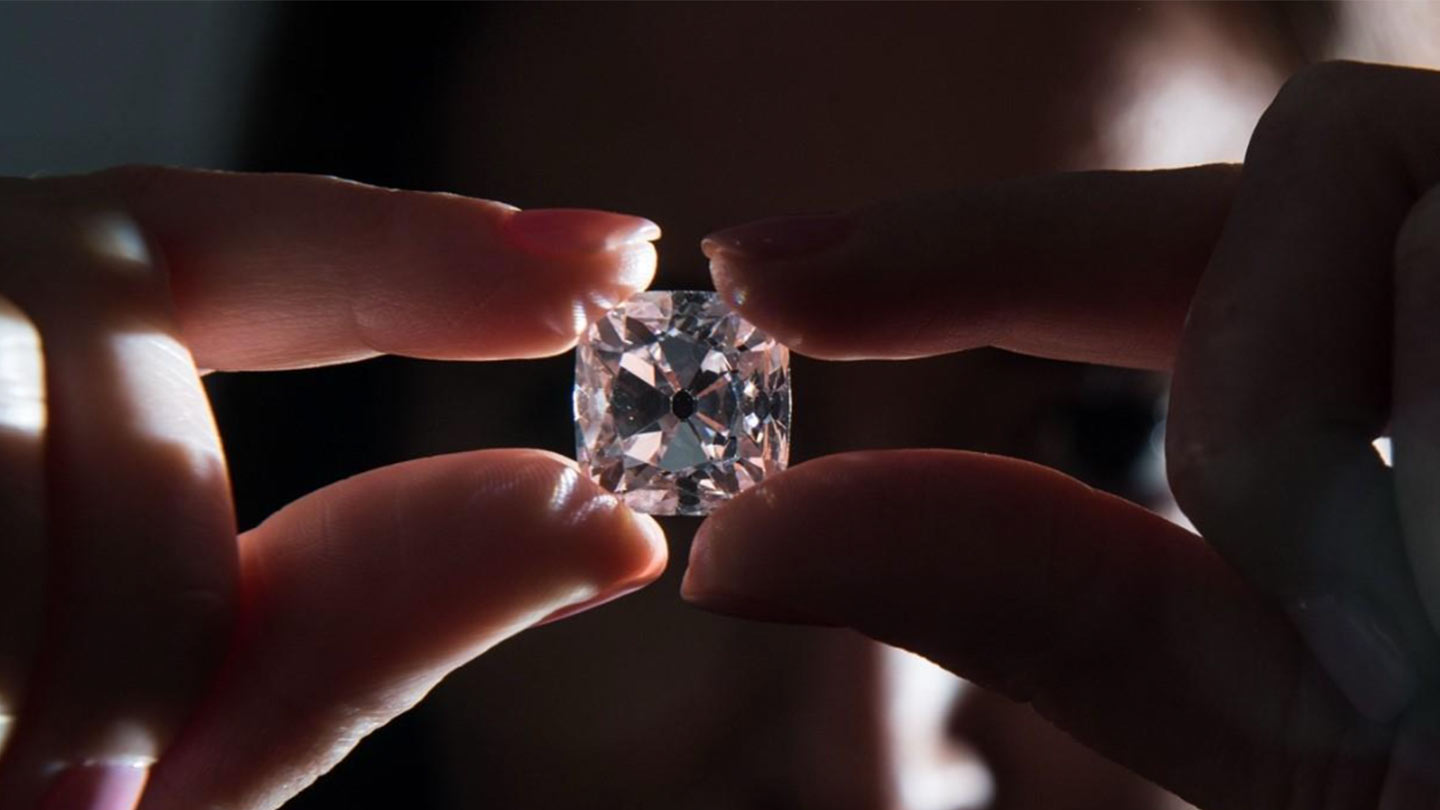
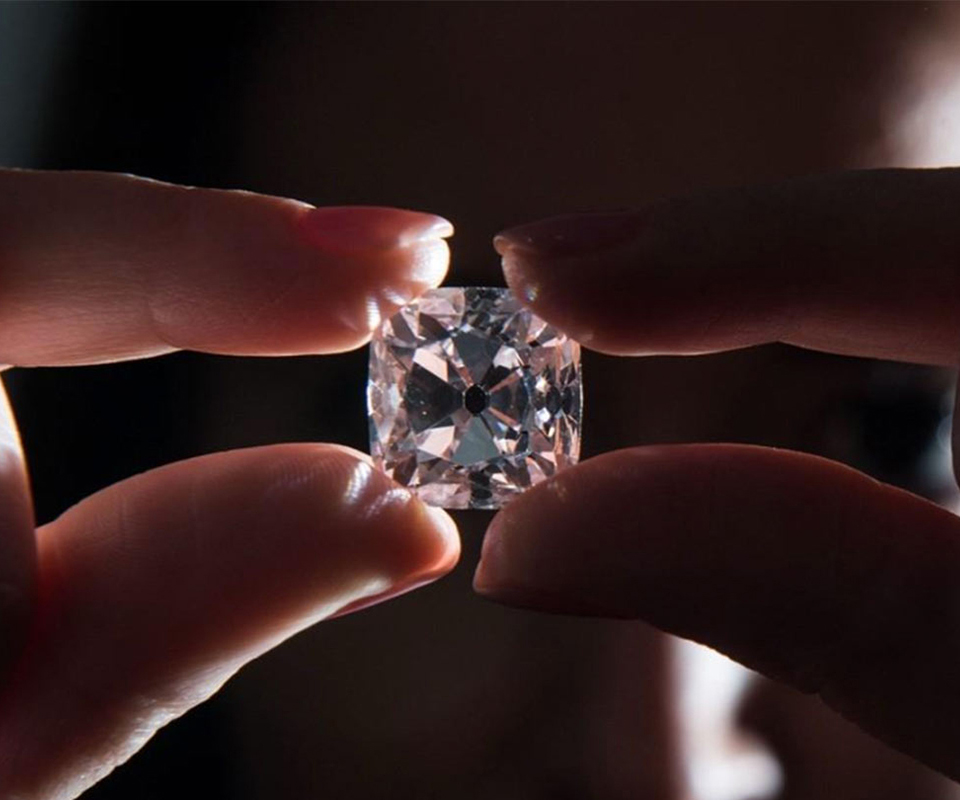
A woman holds the historic 19.07-carat Le Grand Mazarin pink diamond, which sold for $14.46 million in 2017.
Woman holding Le Grand Mazarin pink diamond
Courtesy of CHRIS J RATCLIFFE/AFP via Getty Images
A woman holds the historic 19.07-carat Le Grand Mazarin pink diamond, which sold for $14.46 million in 2017.

One of the most storied pink diamonds is the Daria-i-Noor (“Sea of Light”), a pale pink diamond of roughly 182 carats believed to have come from the Golconda mines of India. The largest known pink diamond in the world, it passed through the Mughal treasury before being taken by Persia’s Nader Shah in 1739. It is now part of the Iranian Crown Jewels.

In Europe, the Grand Mazarin is among the most historically significant pink diamonds. A 19.07-carat light pink old mine brilliant diamond, it was named for Cardinal Jules Mazarin, who selected it for the French Crown Jewels. Graded by GIA as Light Pink, VS2 clarity, Type IIa, it passed through the hands of Louis XIV through Louis XVI, and Napoleon I—its journey reflecting centuries of French political upheaval.

From Brazil comes the Star of the South, discovered in 1853 in Minas Gerais. Originally over 254 carats in the rough, it was cut to 128.48 carats and graded Fancy Light Pinkish Brown by GIA. It traveled through international exhibitions and Indian royal courts and was later acquired by the Gaekwad Maharajas of Baroda.

The Marie-Thérèse Pink, a 10.38-carat Fancy Purple-Pink diamond, is another gem that has captured the popular imagination. Believed to have originated in India in the mid-1700s, it was cut into a modified brilliant kite shape. It is thought to have passed from Marie Antoinette to her daughter, Duchess Marie-Thérèse of Angoulême, and later to her niece. Its history speaks of political exile and return.

Pink diamonds are more than beautiful stones; they reflect remarkable chapters of both geological and human history.

Famous Pink Diamonds

In the modern era, a select group of pink diamonds has set auction records around the world, shaping today’s standards of rarity and value. Each is notable for its exceptional color, clarity, cut and carat weight—4Cs qualities documented in their GIA Diamond Grading Reports. These are the most talked about pink diamonds of recent decades.

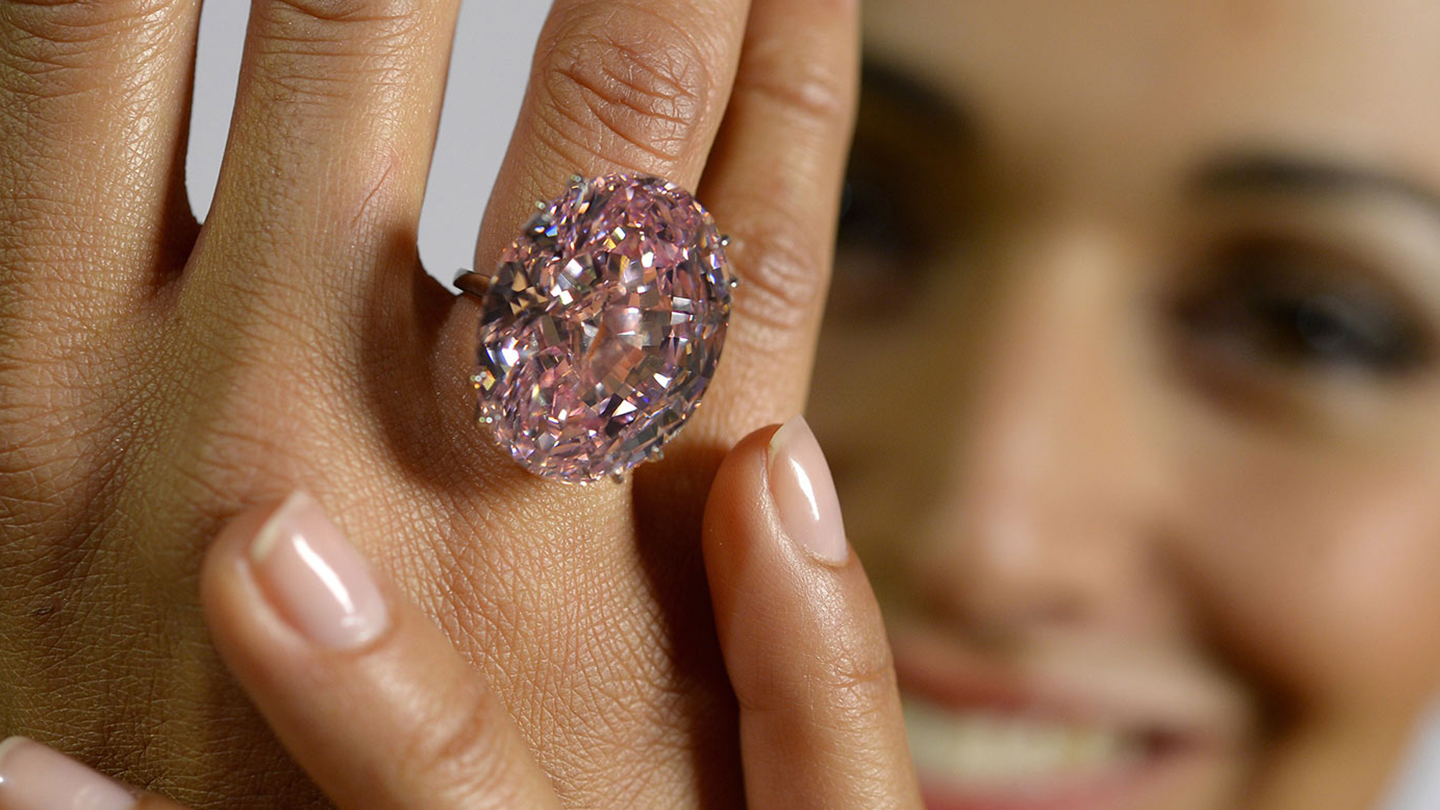
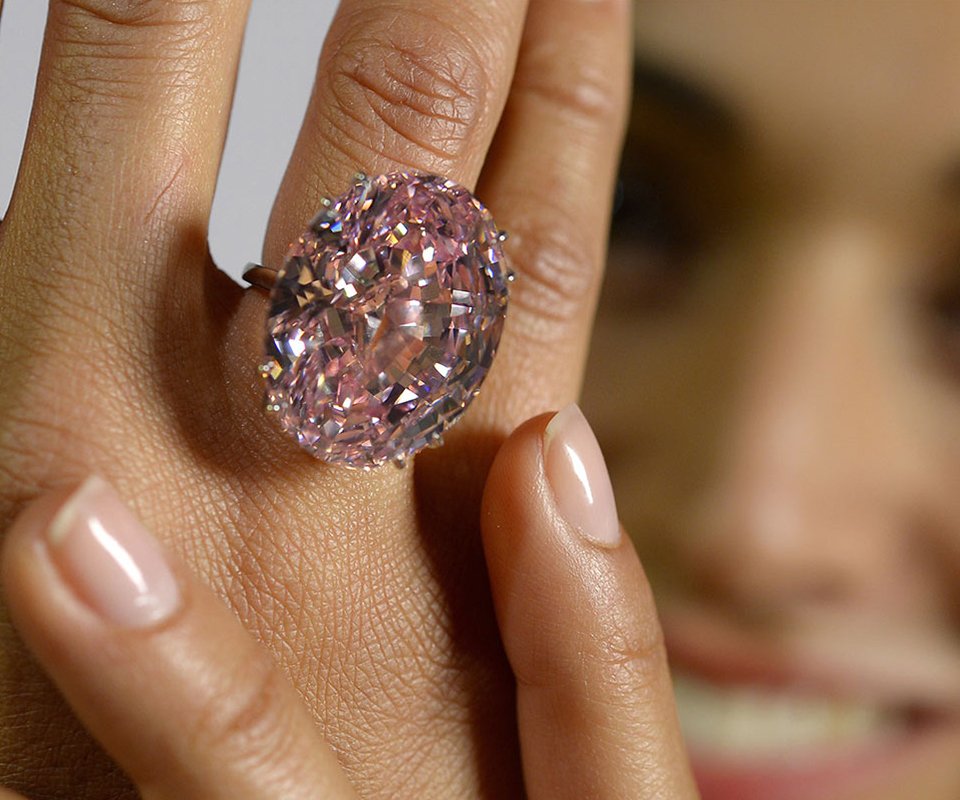
CTF Pink Star diamond ring on model’s hands
Courtesy of Sotheby’s
The 59.60-carat oval CTF Pink Star diamond was graded Fancy Vivid Pink, Internally Flawless by GIA. When it sold for $71 million at auction in 2017, it became the most expensive gemstone ever sold at auction.
CTF Pink Star diamond ring on model’s hands
Courtesy of Sotheby’s
The 59.60-carat oval CTF Pink Star diamond was graded Fancy Vivid Pink, Internally Flawless by GIA. When it sold for $71 million at auction in 2017, it became the most expensive gemstone ever sold at auction.

CTF Pink Star – 59.60 carats, Fancy Vivid Pink, Internally Flawless – $71.2 million
The CTF Pink Star is the most expensive gemstone ever sold at auction to date. Graded by GIA as Fancy Vivid Pink and Internally Flawless, it began as a 132-carat rough mined by De Beers and required nearly two years of cutting. It sold for $71.2 million in 2017, becoming the defining diamond of the modern market.

Courtesy of Sotheby’s
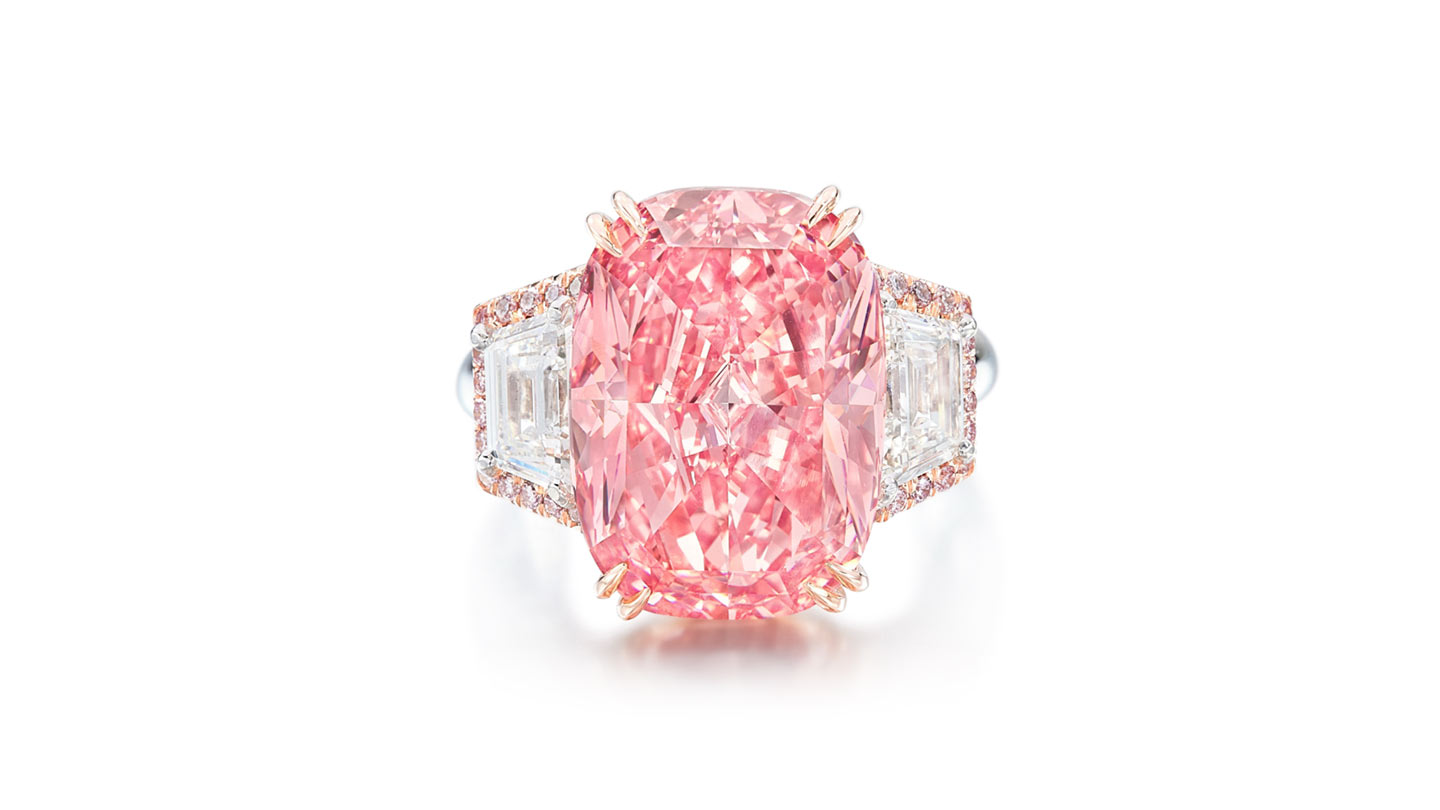
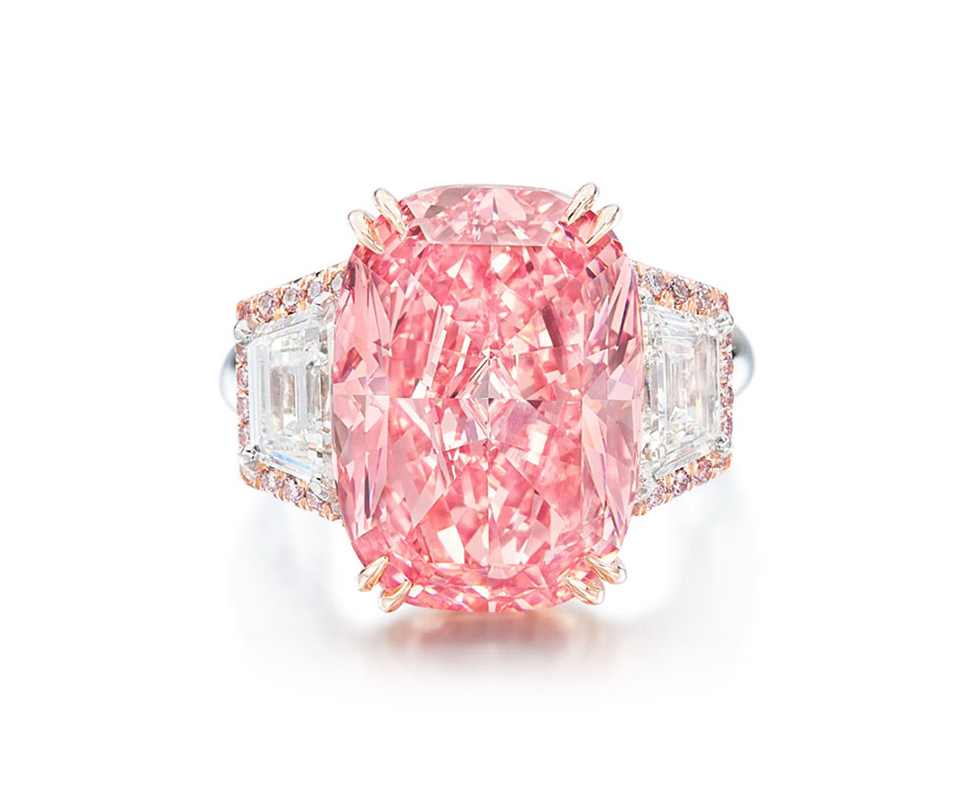
The second most valuable pink diamond ever sold, the 11.15-carat Williamson Pink Star is famed for its Fancy Vivid Pink color and Internally Flawless clarity.
Fancy Vivid Williamson Pink Star diamond set in ring
Courtesy of Sotheby’s
The second most valuable pink diamond ever sold, the 11.15-carat Williamson Pink Star is famed for its Fancy Vivid Pink color and Internally Flawless clarity.

Williamson Pink Star – 11.15 carats, Fancy Vivid Pink, Internally Flawless – $57.5 million
Graded by GIA as Fancy Vivid Pink and Internally Flawless, this gem was discovered at the Williamson mine in Tanzania—the same mine that produced Queen Elizabeth II’s famous pink diamond. It sold in 2022 for $57.5 million.

Graff Pink – 23.88 carats, Fancy Intense Pink, Internally Flawless – $46 million
Once owned by Harry Winston and later re-polished to Internally Flawless clarity, the Graff Pink sold for $46 million in 2010. Graded by GIA as Fancy Intense Pink, its perfectly proportioned emerald cut and even saturation have made it a benchmark for collectors.

Fancy Vivid Purplish Pink Eternal Pink Diamond Ring
Courtesy of 2023 Alexi Rosenfeld/Getty Images
The 10.57-carat Eternal Pink diamond was graded Fancy Vivid Purplish Pink by GIA.
Fancy Vivid Purplish Pink Eternal Pink Diamond Ring
Courtesy of 2023 Alexi Rosenfeld/Getty Images
The 10.57-carat Eternal Pink diamond was graded Fancy Vivid Purplish Pink by GIA.

The Eternal Pink – 10.57 carats, Fancy Vivid Purplish Pink, Internally Flawless – $34.8 million
Graded by GIA as Fancy Vivid Purplish Pink and Internally Flawless, the Eternal Pink was cut from a 23.78-carat rough discovered in Botswana. Auctioned in 2023 for $34.8 million, it is known for extraordinary saturation and clarity—qualities rarely seen together in pink diamonds.

Spirit of the Rose – 14.83 carats, Fancy Vivid Purple-Pink, Internally Flawless – $26.6 million
The Spirit of the Rose, graded by GIA as Fancy Vivid Purple-Pink and Internally Flawless, was cut from a 27.85-carat rough mined in Russia in 2017. Named after a celebrated Russian ballet, it sold in 2020 for $26.6 million, setting a record for a stone of its color category.

Frequently Asked Questions

Are Pink Diamonds Real?

Yes, pink diamonds are absolutely real. They are a natural color variety of diamond, formed deep within the Earth under intense heat and pressure. Unlike yellow or blue diamonds, whose colors come from trace elements, the pink color is believed to result from subtle distortions in the diamond’s crystal structure. These tiny structural shifts change the way the diamond absorbs and reflects light, creating hues that range from soft blush to vivid, saturated pink.

Pink diamonds have always been rare, and high-quality ones are exceptionally so. For many years, the Argyle mine in Western Australia was one of the world’s primary sources of fine pink diamonds. Since the mine’s closure in 2020, natural pink diamonds have become even more scarce and prices are expected to continue increasing.

Their rarity, beauty and distinctive color make pink diamonds highly sought after by collectors, jewelry lovers and investors alike.

Yes. Pink diamonds are classified as fancy color diamonds, a category used for diamonds whose color falls outside the traditional colorless D-to-Z grading scale. Instead of being judged by how colorless they are, pink diamonds are evaluated for the quality of their color—specifically hue (the dominant color), tone (how light or dark the color appears) and saturation (the intensity or richness of the color).

GIA grades pink diamonds along a scale that ranges from Faint to Fancy Deep. The richest and most saturated colors—especially Fancy Vivid Pink and Fancy Intense Pink—are the rarest and most valuable.

So yes, pink diamonds are considered fancy diamonds, and their beauty, rarity and color intensity are what place them among the most desirable gemstones in the world.

The best setting for a pink diamond is one that protects the stone and enhances its color. Because pink diamonds can range from very pale blush to vivid, saturated hues, the setting, metal color and surrounding stones can all influence how strong the color appears.

1. Choose a Warm Metal Tone for Pale Pink Diamonds
Rose or yellow gold is often ideal for light to medium pink diamonds. Their warm tone complements the stone, deepening the color and enhancing its romantic glow. White metals like platinum or white gold, on the other hand, can sometimes wash out the color of very pale pink gems, making them appear less intense. Cool-hued metals are best for highly saturated pink diamonds, creating striking contrast that makes their color appear even more vibrant.

Some designs combine both tones—using rose or yellow gold for the center setting and white gold or platinum for the band—offering the best of both worlds in enhancing the gem’s color and making it pop through contrast.

2. Use a Pink Diamond or Pink Sapphire Halo
A halo of smaller, more saturated pink diamonds can visually intensify the center stone’s color. The eye reads the cluster as one unified field of pink, making even a soft blush diamond appear richer. Pink sapphires can achieve a similar look at a more accessible price.

3. Contrast Vivid Pinks with Colorless Diamonds
Surrounding a pink center stone with colorless diamonds—whether in a halo or a three-stone design—can draw attention to the stone and make its pink hue appear brighter and more vivid.

4. Choose the Right Setting Style
How the diamond is held in the ring affects both light and color:

  • Open prong settings allow maximum light to enter the stone, increasing brilliance and fire.
  • Bezel settings encircle the diamond with a protective rim of metal, making them a good choice for shapes with delicate points, such as marquise or pear cuts. A yellow or rose gold bezel setting can subtly deepen and warm the appearance of some pink diamonds, enhancing their natural color. In contrast, a white gold or platinum bezel may lessen the visual impact of very pale pink stones; the cooler metal tone used in a bezel setting can reduce light entry and make the color appear softer or more subdued.

5. Consider Shape
Certain cuts emphasize color more strongly. Oval, pear, radiant and cushion cuts tend to display pink color more vividly than round cuts, because they concentrate color within the stone.

In short: Warm metals, thoughtful stone pairings and specific setting styles can all help a pink diamond appear richer, more luminous and uniquely expressive of your taste.
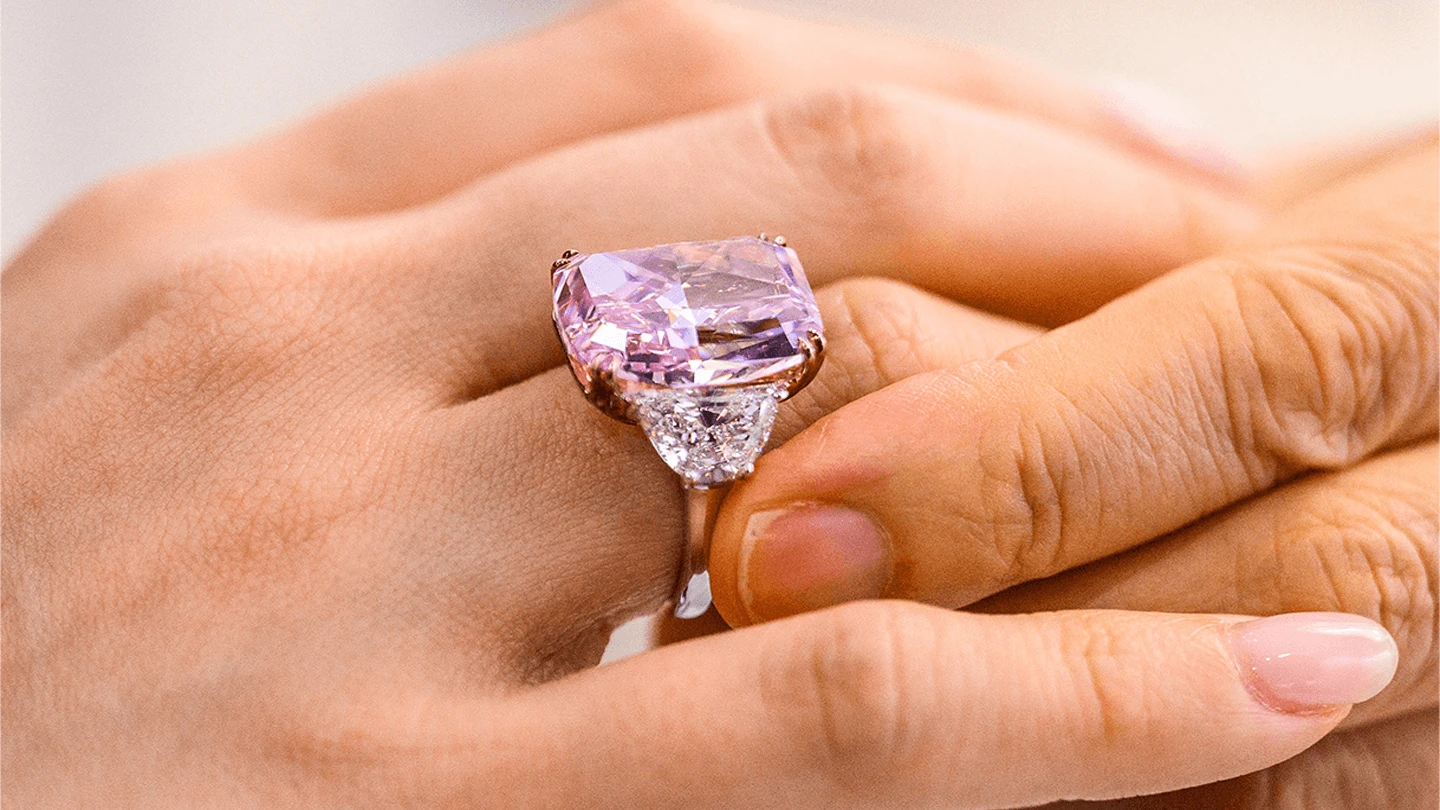
Pink diamonds, like all fine gemstones, deserve thoughtful, consistent care. Over time, their brilliance can diminish as oils, lotions and everyday grime build up on the surface. To keep your diamond jewelry sparkling, clean it regularly with warm water and mild soap, using a soft toothbrush to gently remove residue, then pat dry with a lint-free cloth. Avoid harsh chemicals such as bleach or chlorine, abrasive cleaners or toothpaste, and extreme temperature changes, which can weaken settings or damage surrounding metal.

When not in use, store your pink diamond jewelry separately in a padded, soft-lined box or individual pouch. Diamonds can scratch other gemstones—or be scratched by other diamonds. Their metal settings are also vulnerable to marks if stored improperly. Periodically, have your jeweler inspect the prongs and settings to ensure the stones remain secure.

Pink diamonds can be safely steam-cleaned or cleaned using ultrasonic cleaners, but only if they are untreated, uncoated and free of large fractures. Avoid these methods for estate or antique jewelry, where delicate settings or older materials may be at risk of damage.

Why Purchasing a Pink Diamond With a GIA Report Matters

GIA issues detailed grading reports for both natural and laboratory-grown pink diamonds. GIA Colored Diamond Grading Reports for natural pink diamonds confirm the diamond’s identity, assess quality based on the 4Cs (color, clarity, cut and carat weight), and clearly state whether the diamond’s color is natural or treated. Laboratory-Grown Colored Diamond Reports provide a full quality assessment of color, clarity and carat weight and clearly state that the diamond is laboratory-grown.

GIA grading reports offer transparency and are recognized worldwide as the standard for diamond evaluation. Purchasing a pink diamond with a GIA grading report provides peace of mind and confidence. These reports can simplify insurance and resale processes and serve as a globally recognized way to communicate the diamond’s quality.

Discover nearby retailers that offer GIA-graded diamonds or have GIA-trained staff.

Whether cherished for their rarity, romance or radiant beauty, pink diamonds remain among the most captivating gems in the world. Their enduring allure—enhanced by expert care and trusted reports—make them timeless symbols of love and elegance.

Want to learn more about colored diamonds? Explore our other colored diamond buying guides: