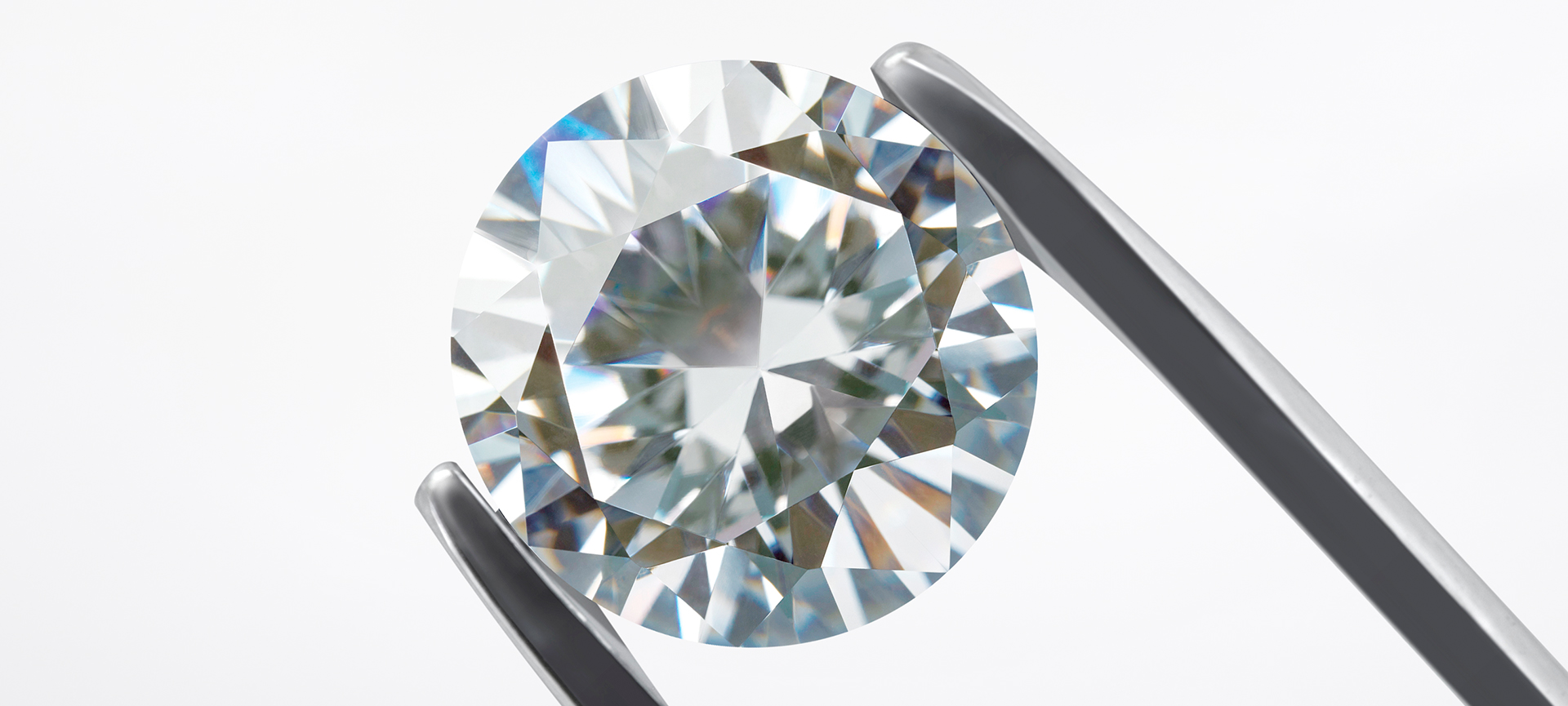
When it’s time to buy a diamond, many people spend a lot of time educating themselves on the 4Cs of diamond quality, and then determining what the personal trade-offs between those various quality characteristics will be. (more…)
Shimmering with an internal fire all its own, diamond is one of the world’s most sought-after and adored gemstones. (more…)
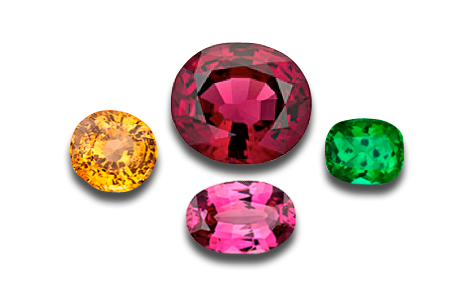
The garnet is actually a group of several minerals that have been used since the Bronze Age as gemstones and abrasives. There are six common garnet minerals – and several other rare species. The most common garnets are almandine, andradite, grossular, pyrope, spessartine and uvarovite The name “garnet” comes from 14th century Middle English word gernet meaning ‘dark red’, (more…)
Contrary to what many people may think, the word “synthetic” does not mean fake when it comes to gemstones. The term actually comes from the Greek word for “to put together.” People “build” or, more accurately, “grow” synthetic crystals. (more…)
October babies have the pleasure of enjoying two birthstones to commemorate their birthdays – tourmaline and opal. Last time we wrote about pink tourmaline, and now we’re going to share with you about opal. (more…)
Diamonds are famously known for being one of the hardest substances on earth – we know you’ve heard the rumor that a real diamond can cut glass. But do you know why diamonds are so hard? (more…)
September’s birthstone is one of our favorite gemstones at GIA –sapphire. Sapphires have been long associated with royalty and romance (hence the engagement ring of Prince Charles and Princess Diana, and The Royal Couple – William and Katherine!). (more…)
GIA strives to make sure diamond grading is objective and fair, keeping a standard in the diamond market, so that the public can buy a diamond with a GIA report and know that the report is accurate and absolutely impartial. This creates the ultimate peace of mind for your diamond purchase. (more…)
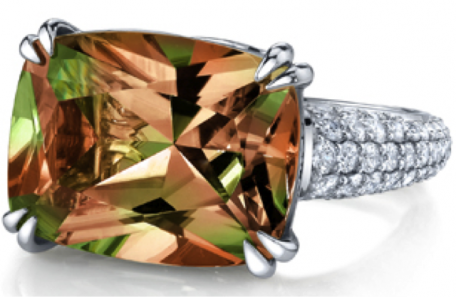
Zultanite is an extremely rare gemstone used in jewelry design, and was a popular choice at the 2011 Couture conference, which features the most unique, innovative and inventive jewelry design. Famous jewelry designers such as Stephen Webster, Erica Courtney and Rhonda Faber Green all incorporated zultanite into their collections. Zultanite changes color in light, ranging from a kiwi green with flashes of yellow in sunlight conditions to raspberry hues in candlelight. (more…)
When men and women really start looking into diamond grading, a common question is, “Why does the GIA color grade start with a D?” (more…)
Solitaire Setting
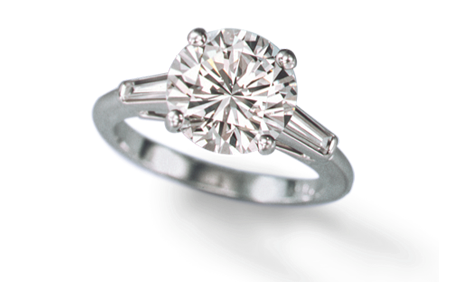
Solitaire Setting is a popular diamond engagement ring setting. The head secures the diamond. The prongs allow the diamond to catch the most light. A four-prong setting shows more of the diamond, but a six-prong setting is often more secure. (more…)
Sometimes the search for the perfect diamond grows into something deeper—a lasting interest in the jewelry and gems. If that’s happened to you, discover how GIA can guide your path toward a Graduate Gemologist (G.G.) or Accredited Jewelry Professional (A.J.P.) diploma, courses in gemology and jewelry arts, and a career in the industry. (more…)