What is a Diamond Alternative?
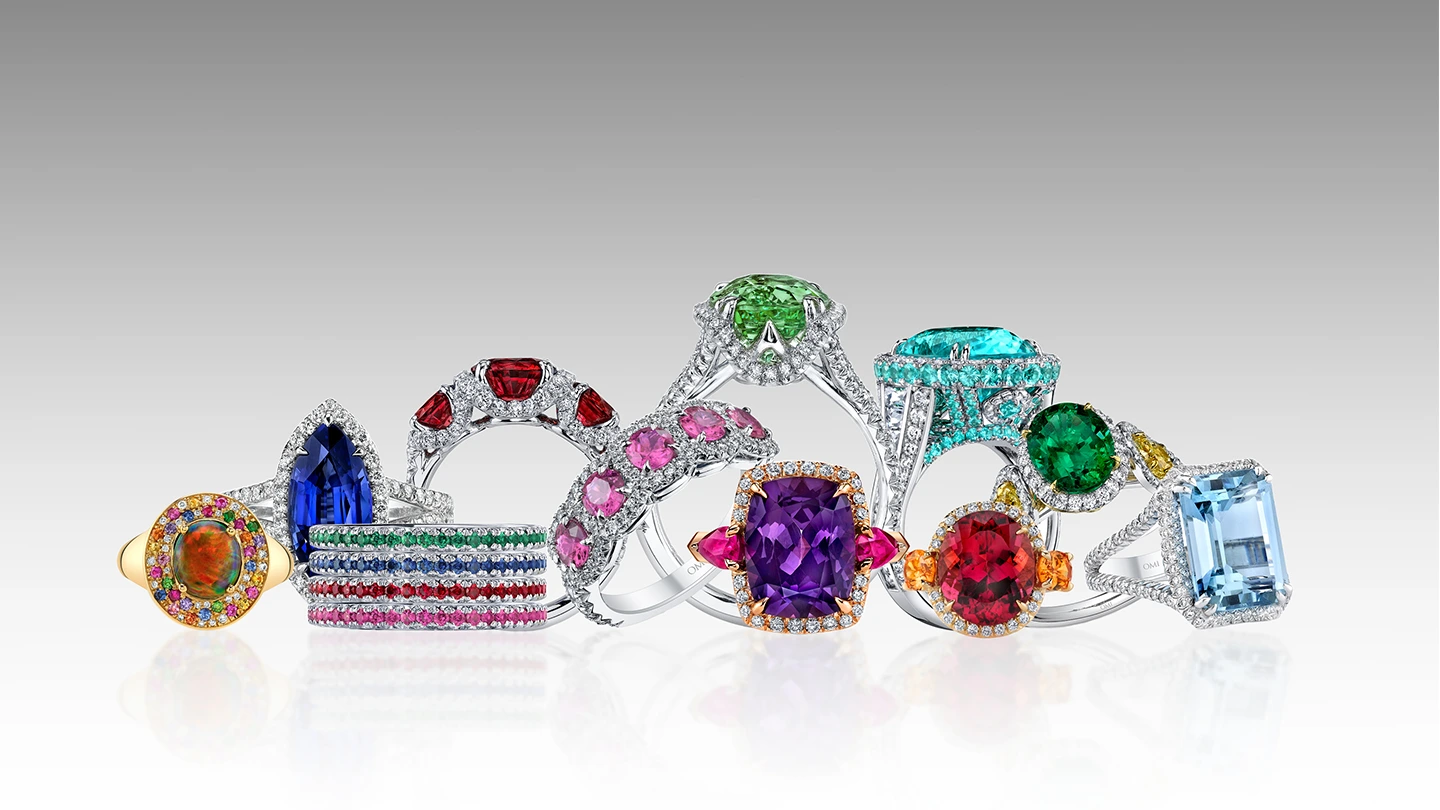
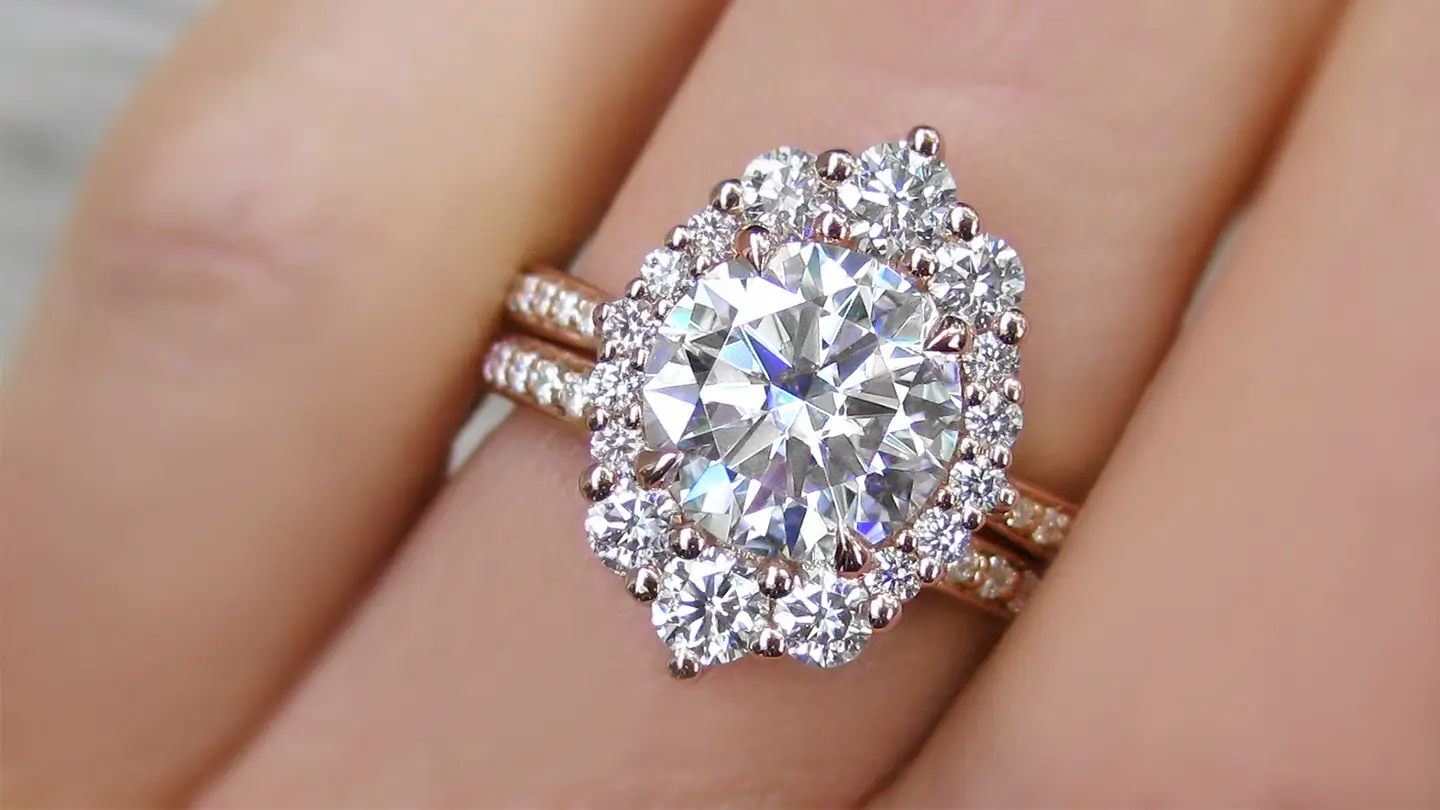
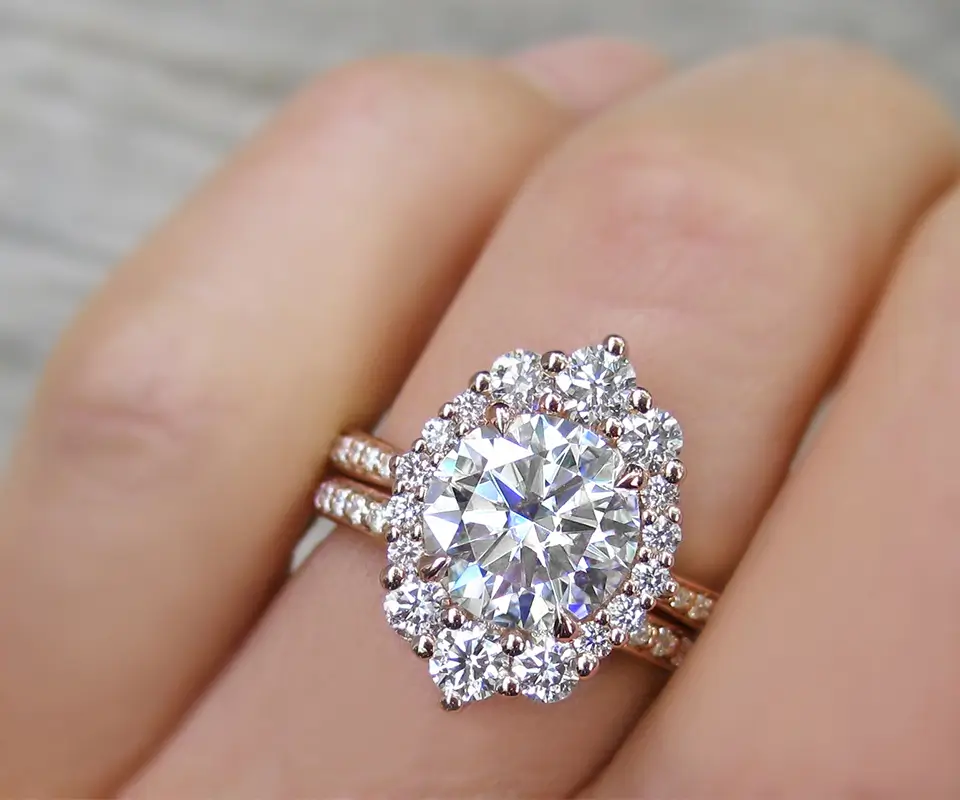
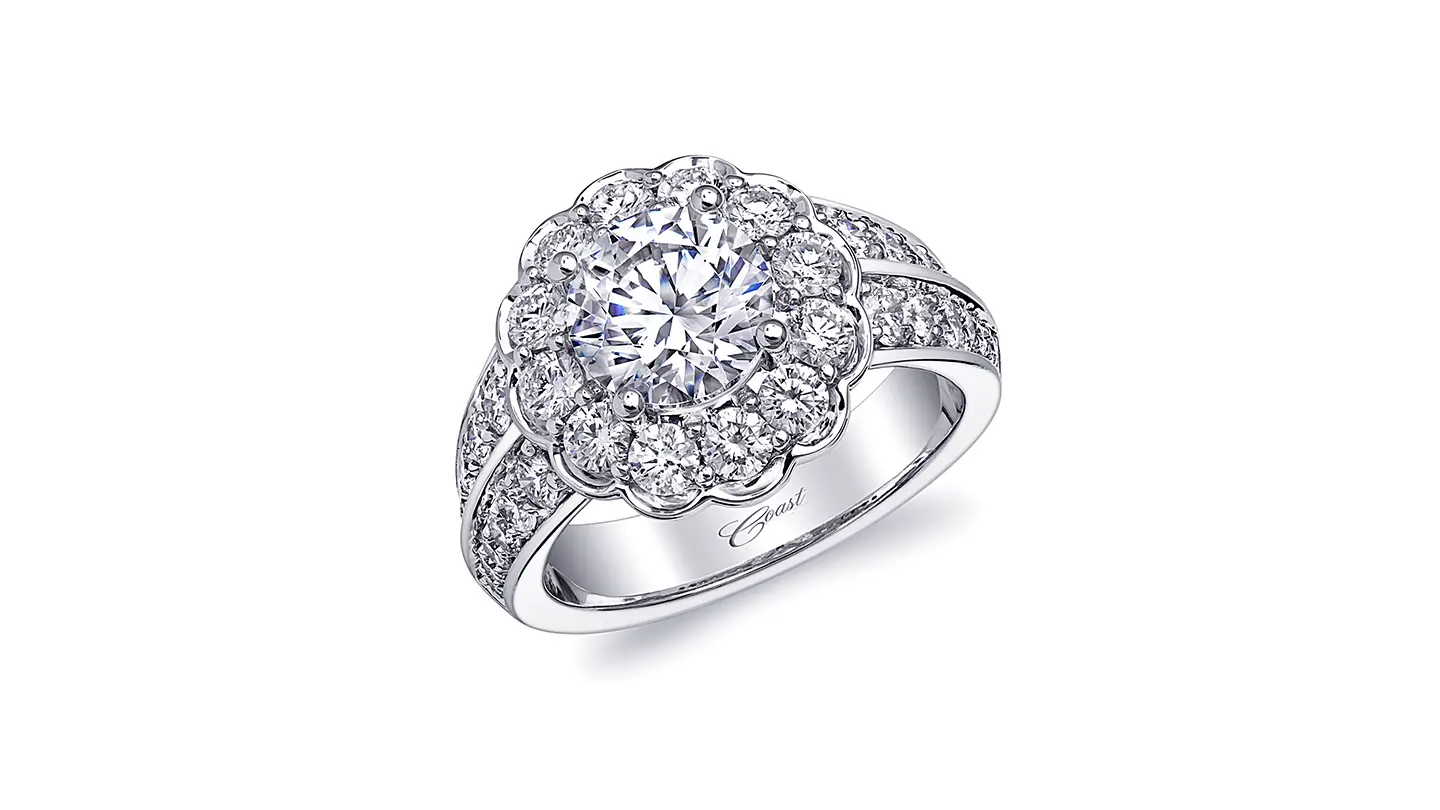
A diamond alternative refers to any gemstone or material used in place of a natural diamond, typically in jewelry settings such as engagement rings, earrings or pendants. These alternatives are chosen for a variety of reasons—often to reduce cost, but also to suit personal taste, style or a desire for something more unique. Whether mimicking a diamond’s appearance or offering something entirely different in color or character, diamond alternatives provide versatile and beautiful options for a wide range of preferences and budgets.
Colored Gemstone Alternatives for Diamond Engagement Rings
Gem: Sapphire (Colored Varieties)
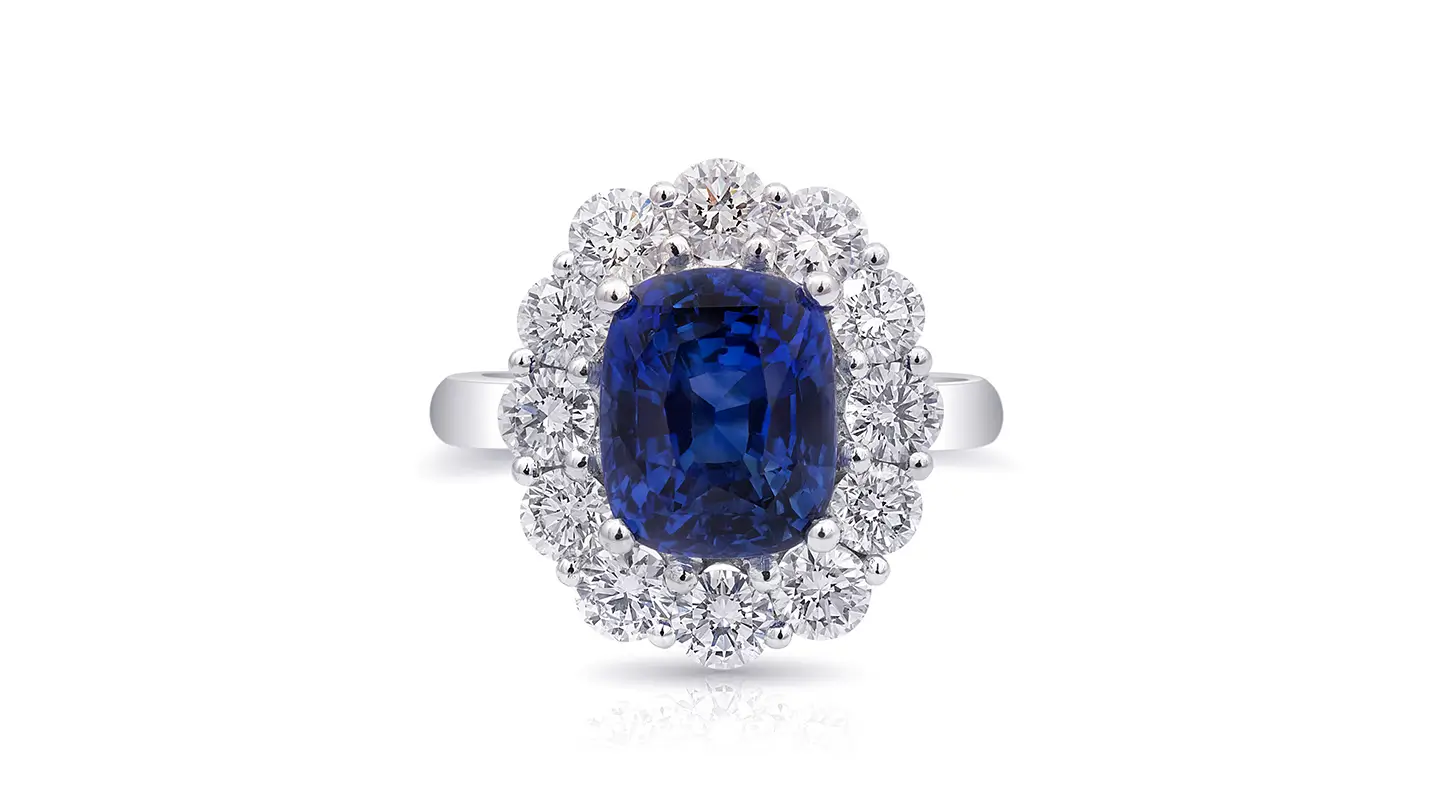
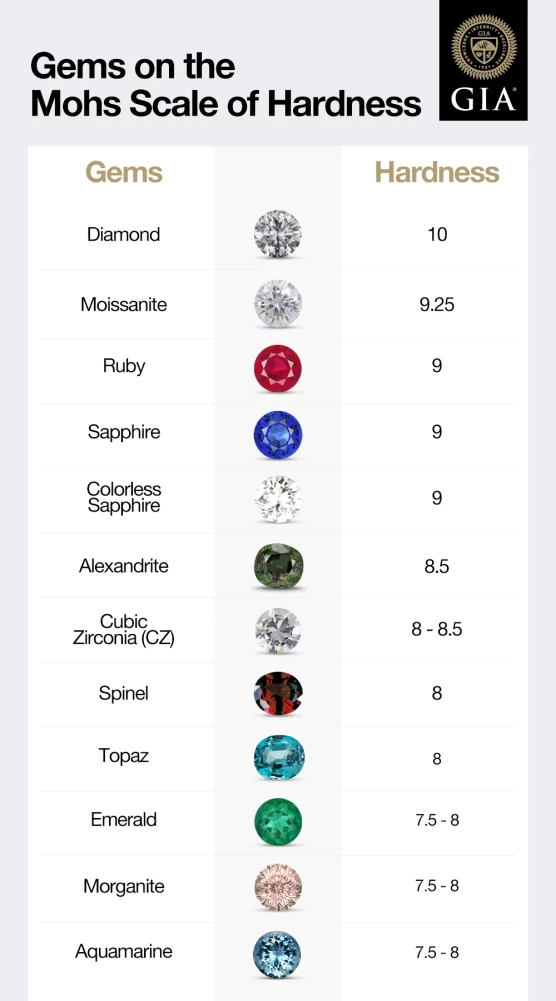
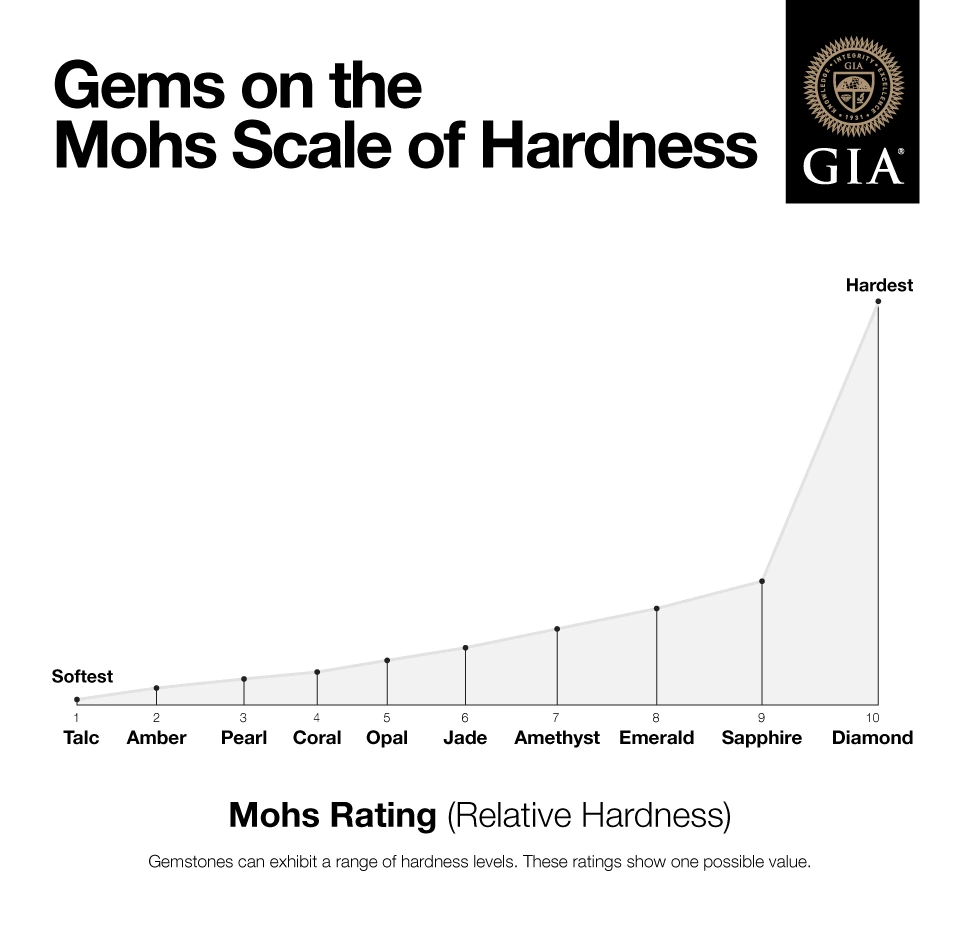
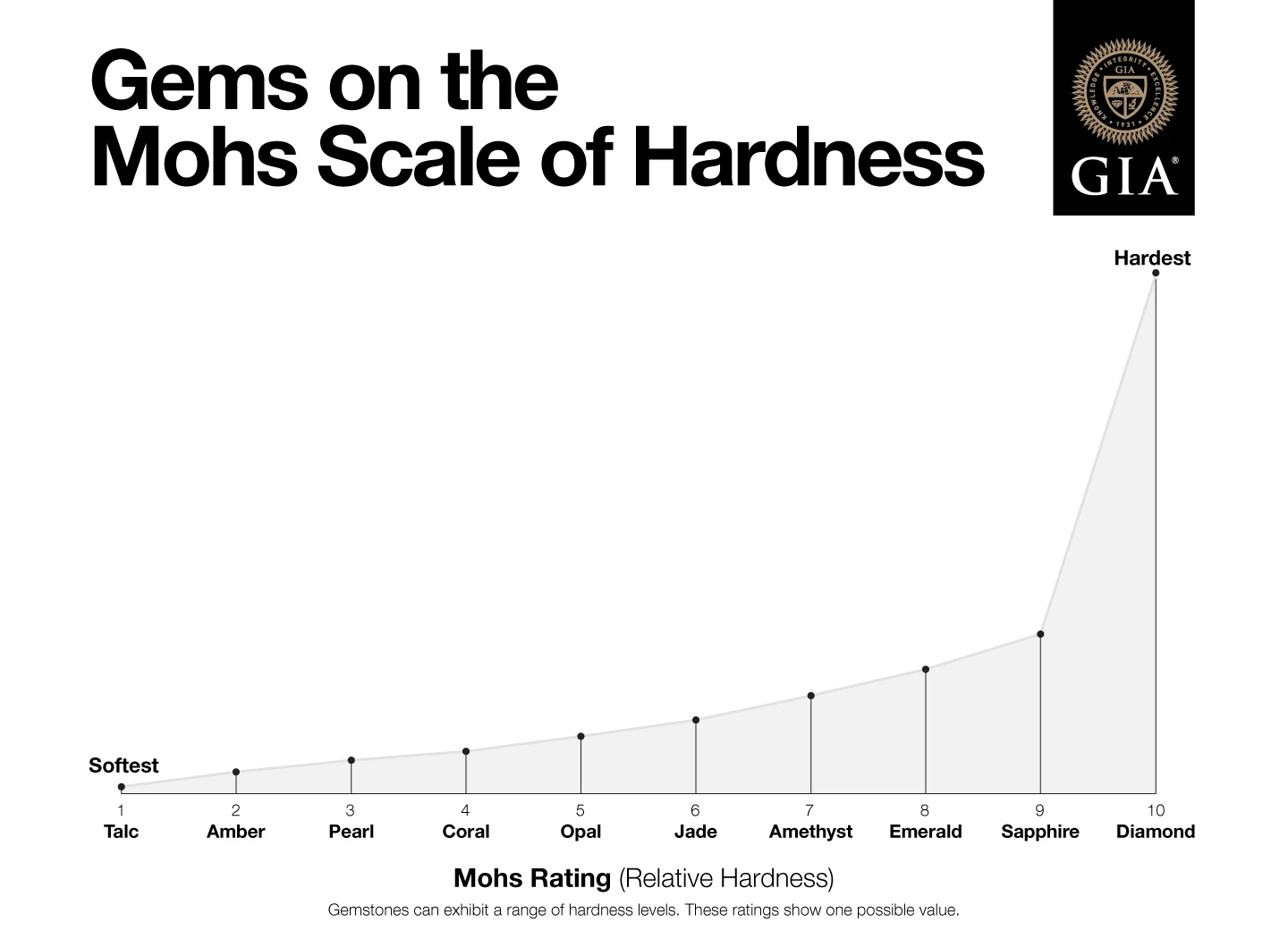
Sapphire, a variety of the mineral corundum, is an elegant and durable gemstone that makes a compelling alternative to diamonds in both traditional and modern jewelry. With a hardness of 9 on the Mohs scale, sapphire is one of the hardest gemstones available behind only diamond and moissanite. It resists scratching and is ideal for everyday wear, especially in engagement rings.
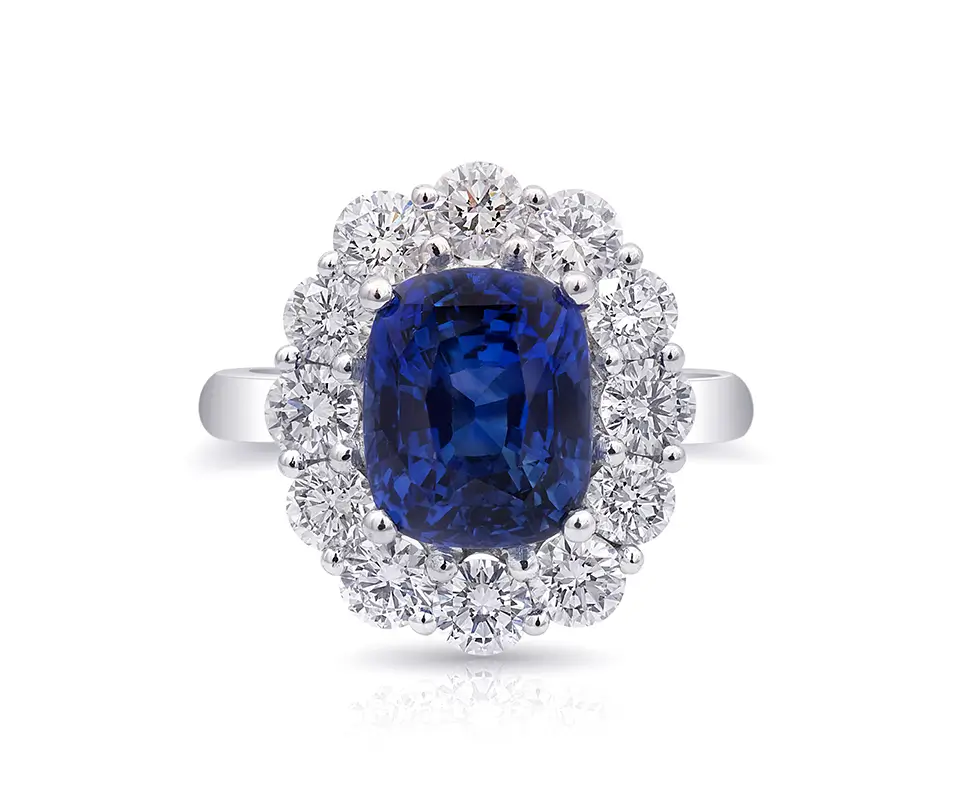
Blue sapphire is the most classic and widely recognized variety. Its deep, velvety hue has long been linked to royalty, wisdom and sincerity. Large, high-quality blue sapphires can rival or even exceed diamonds in price, especially rare unheated stones with strong color and clarity. However, most are more affordable, offering timeless elegance with a touch of color.
Sapphires also come in a rainbow of fancy colors, including pink, purple, orange, yellow and green. One of the most prized is padparadscha, a rare variety with a delicate pinkish-orange to orangish-pink hue. Fancy color sapphires—aside from padparadscha—are typically more affordable than blue sapphires and diamonds, making them beautiful and unique alternatives.
As September’s birthstone, sapphire can also add a personal touch to engagement rings, anniversary bands or heirloom jewelry—making it a meaningful and beautiful choice.
Gem: Emerald
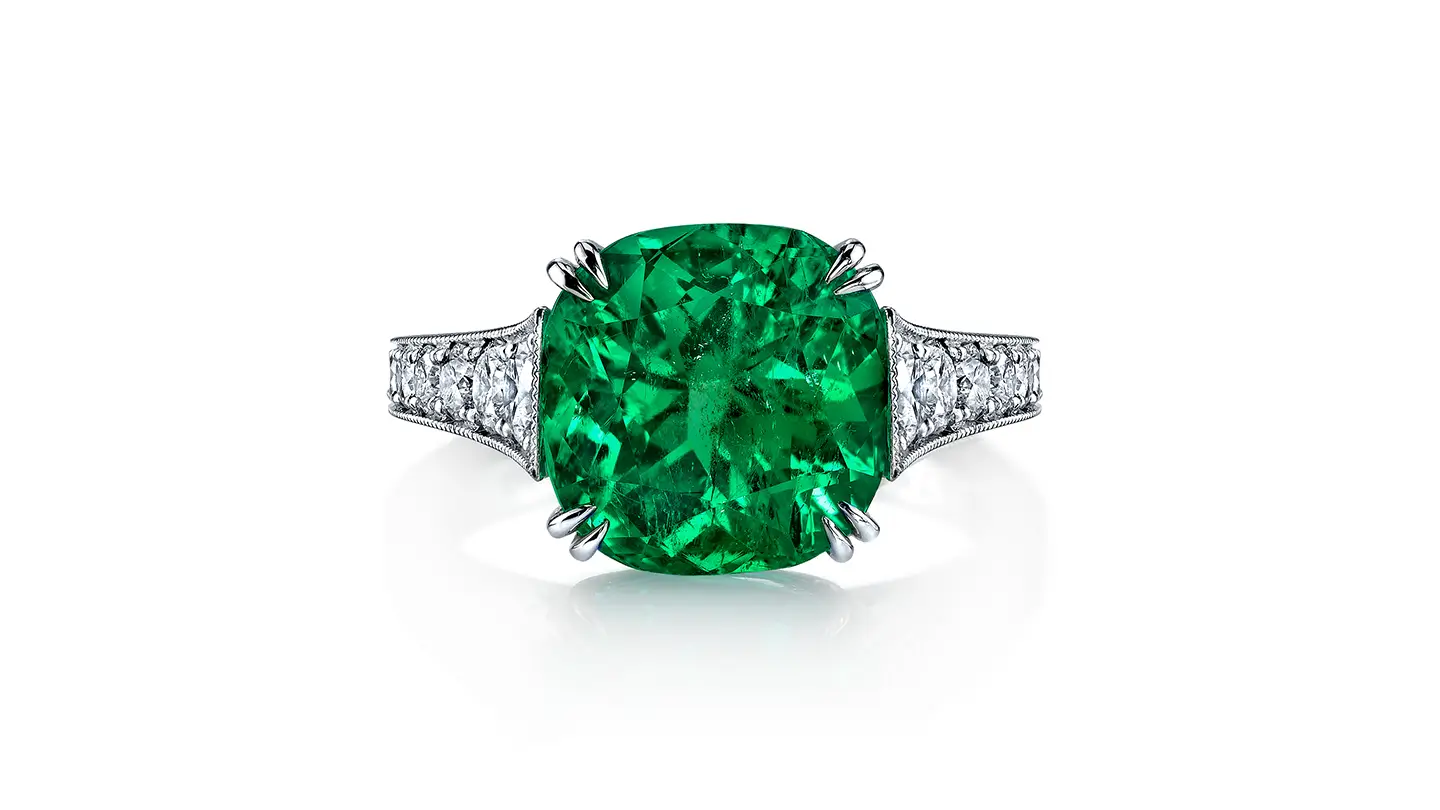
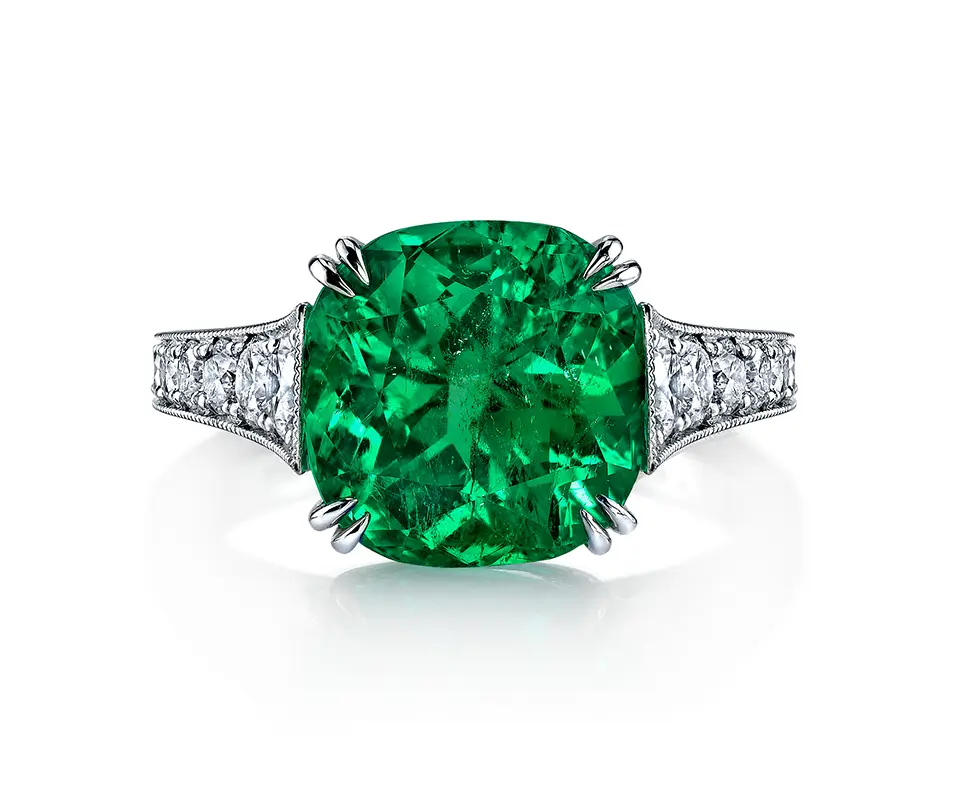
Emerald, the vivid green variety of the mineral beryl, is one of the most treasured gemstones in the world—celebrated for its rich color and historical prestige. Unlike diamonds, which are valued for their brilliance, emeralds captivate with deep, lush hues that range from bluish green to pure green. This distinctive color comes from trace amounts of chromium and vanadium within the crystal structure.
Emeralds are softer than diamonds—ranking 7.5 to 8 on the Mohs scale. Emeralds tend to have more inclusions and surface-reaching fractures than many other gems. To improve clarity and stability, most emeralds are treated with oils or resins—an accepted practice in the gem trade.
Their internal features, often called jardin (French for garden), are part of what gives each emerald its unique character. However, they also make emeralds more delicate and less suitable for daily wear, unless the emerald happens to have extremely high clarity. If worn every day, emeralds should be set in highly protective settings.
Because of their internal features and treatments, emeralds require gentle care. When wearing them, avoid harsh chemicals like bleach and ammonia, sudden temperature changes and heavy impacts. Remove emerald rings during strenuous activities and never clean them using ultrasonic or steam cleaners, which can damage the stone or strip away fillers. Instead, use mild soap, lukewarm water and a soft toothbrush to clean around the prongs and setting.
Sourced primarily from Colombia, Zambia and Brazil, emeralds have been prized by royalty and collectors for centuries. Fine-quality emeralds with vivid color and minimal inclusions can command higher prices than diamonds of the same size.
For those seeking rich color, symbolic depth and timeless elegance, emeralds offer a sophisticated alternative to diamonds in engagement rings and fine jewelry.
As the birthstone for May, emerald represents rebirth, love and prosperity—making it a meaningful choice for marking a lifelong commitment. Whether selected for its vibrant hue, historical legacy or personal significance, an emerald can add a uniquely heartfelt and luxurious touch to an engagement ring.
Gem: Ruby
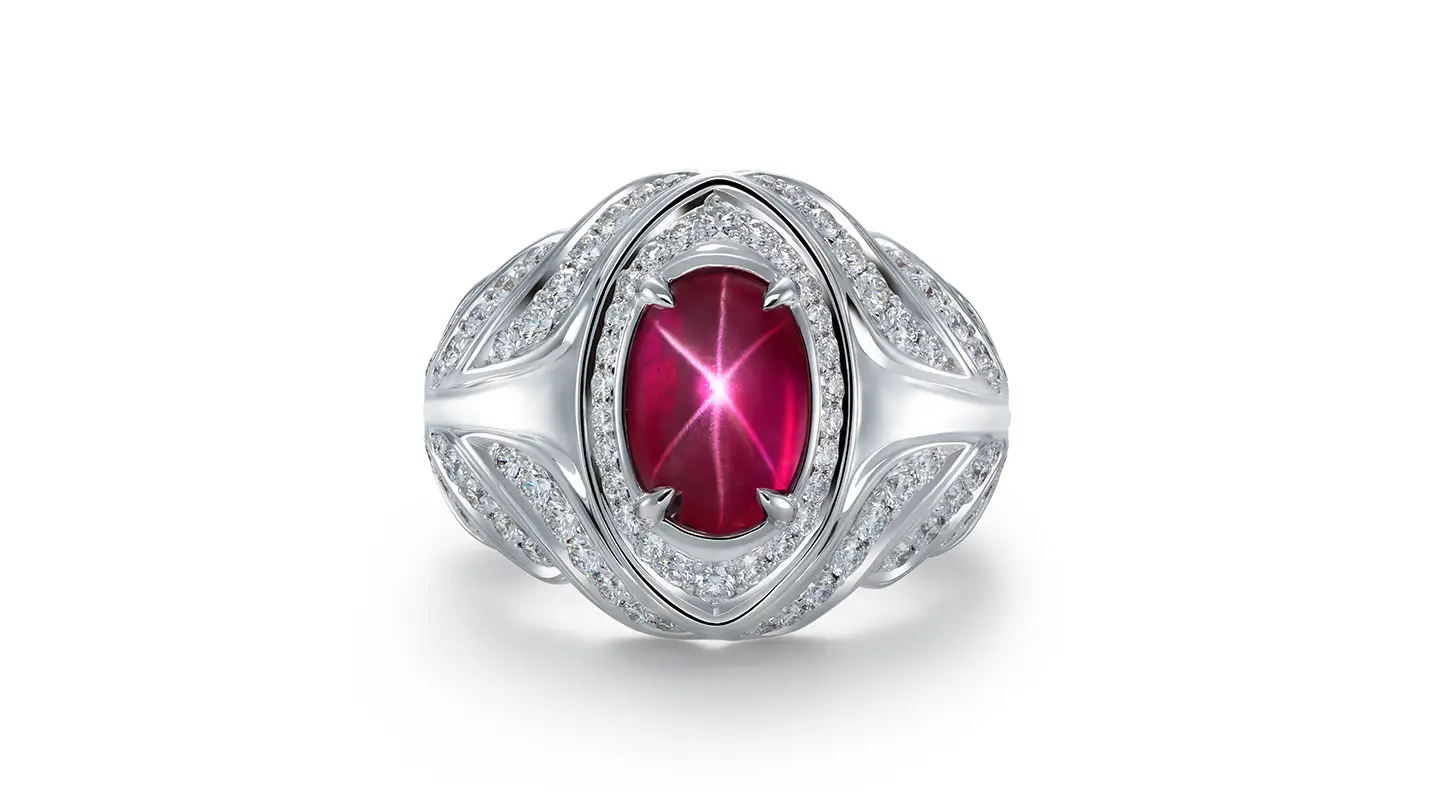
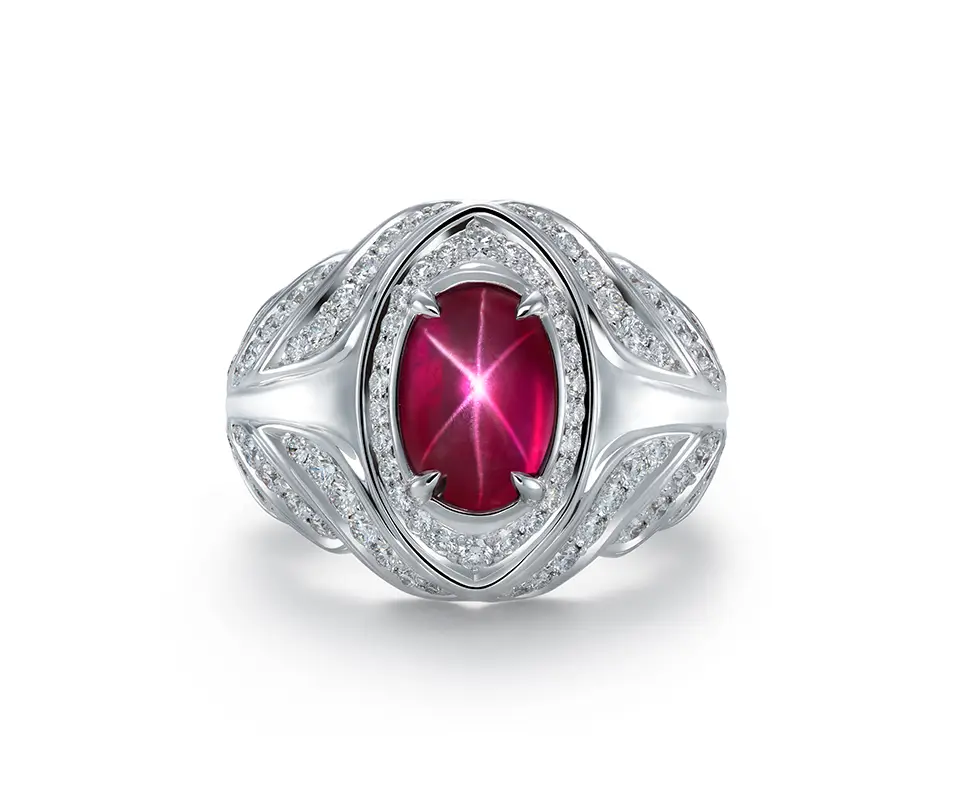
Ruby, the red variety of the mineral corundum, is one of the most revered and valuable gemstones in history. Its striking red hue comes from trace amounts of chromium, which not only gives ruby its vivid color but can also cause strong fluorescence—making some rubies appear even more vibrant in sunlight or under ultraviolet light.
Known in Sanskrit as ratnaraj, meaning “king of precious stones,” ruby has long held an esteemed place among gems. Ruby colors range from orangey red to pure red to purplish red, with the most coveted shade called “pigeon’s blood” red—a rich, saturated hue with a medium tone. Stones that don’t meet the red threshold are classified as pink sapphires, a distinction that greatly affects their value.
With a hardness of 9 on the Mohs scale, rubies are one of the hardest gemstones, making them ideal for everyday wear. Rubies like diamonds are an excellent choice for engagement rings.
Natural rubies come from Myanmar (Burma), Sri Lanka, Mozambique, Thailand, Vietnam and Afghanistan. Burmese rubies are especially prized, particularly those untreated and showing strong natural fluorescence. Top-quality rubies with vivid, untreated color can exceed diamonds in price, but more included or heat-treated rubies offer more affordable options.
As the birthstone for July, ruby symbolizes passion, love and courage—making it a meaningful and personal choice for engagement rings and fine jewelry. Whether chosen for its vibrant color, history or personal significance, ruby adds a timeless and romantic touch to any piece.
Gem: Morganite
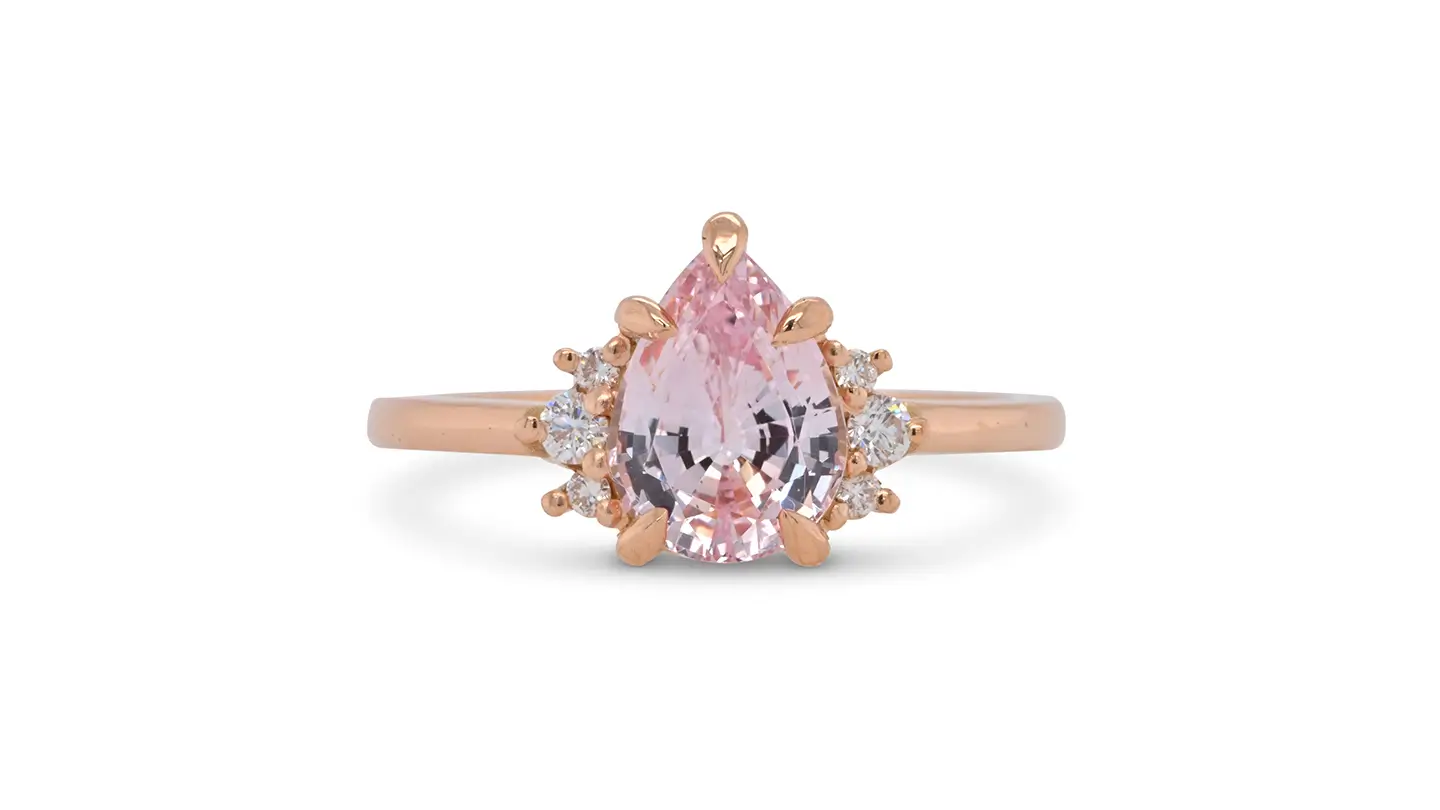
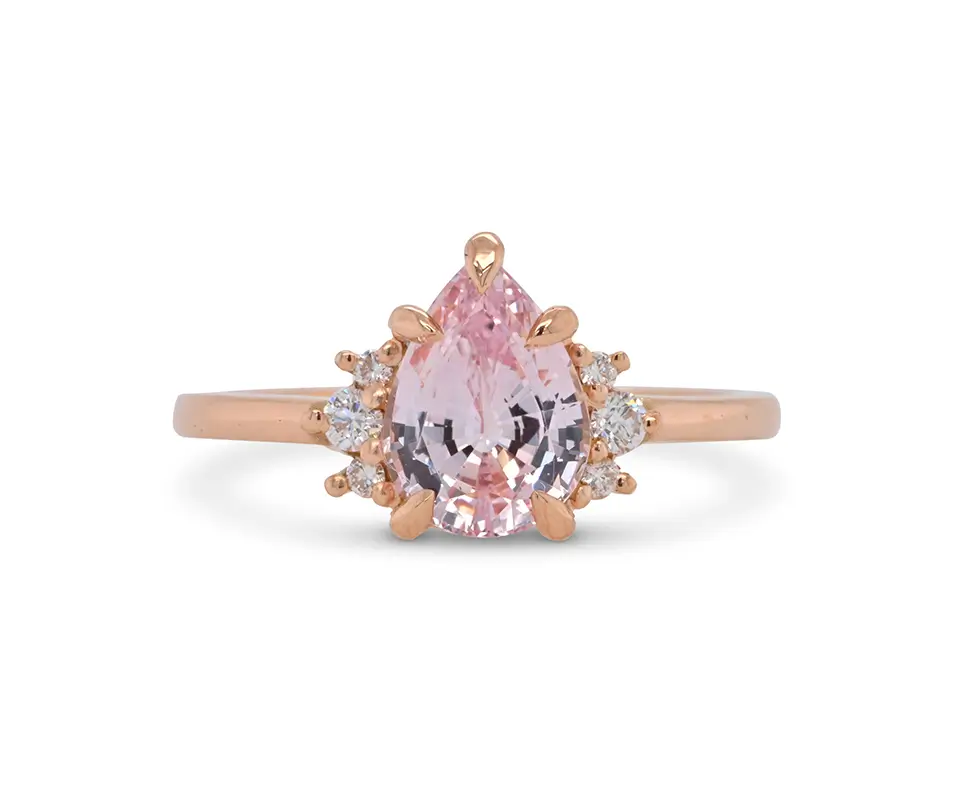
Morganite is a stunning pink to peach variety of the beryl family, cherished for its soft, romantic colors. Discovered in the early 20th century and named after financier J.P. Morgan, this gemstone has quickly become popular for its delicate hues and affordability.
Among its range of colors, vibrant pink morganites are generally more valuable than the lighter blush, peach or “champagne” tones. Morganite’s warm shades are often beautifully enhanced when set in rose gold, which complements and intensifies its natural glow.
With a hardness of 7.5 to 8 on the Mohs scale, morganite is fairly durable and suitable for everyday wear, though it requires more care than harder stones like diamonds or sapphires to prevent scratches and damage.
Natural morganite is primarily mined in Brazil, Madagascar, Mozambique and the United States, with each source adding subtle variations in color and clarity.
Thanks to its romantic color, durability and relative affordability, morganite engagement rings have become a beloved choice for many couples.
Other Colored Gemstone Alternatives
Aquamarine
Aquamarine, a serene blue-to-blue-green variety of the mineral beryl, is known for its crystal-clear transparency and calming color. With a Mohs hardness of 7.5 to 8, aquamarine is durable enough for most types of jewelry, including engagement rings, when properly cared for. Its name—derived from the Latin for “sea water”—reflects its tranquil hues, which evoke the ocean’s depths.
Aquamarine has long symbolized clarity, harmony and protection, especially for travelers. While it’s generally more affordable than diamonds or sapphires, fine-quality aquamarine with vivid color and excellent clarity can still command premium prices, especially those with a saturated, pure blue color.
The most coveted variety is known as Santa Maria aquamarine, originally sourced from Brazil and prized for its rich, intense blue tone. As the birthstone for March, it also holds personal significance for many.
Alexandrite
Alexandrite is one of the rarest and most fascinating gemstones, prized for its dramatic color change—greenish in daylight and reddish-purple under incandescent light. This chameleon-like variety of chrysoberyl has a hardness of 8.5 on the Mohs scale, offering good durability for everyday wear.
First discovered in Russia’s Ural Mountains in the 1830s, alexandrite quickly became associated with royalty and luck. Natural alexandrite is exceedingly rare and often quite expensive, especially in larger carat weights with strong color shifts. However, lab-grown alexandrite offers a more accessible alternative with the same optical phenomenon and beauty. It’s also the modern birthstone for June, making it a meaningful and intriguing choice.
Spinel
Spinel comes in nearly all the colors of the rainbow. Among these, red spinel has the most storied history and was often mistaken for ruby, earning it the nickname “the great imposter.” One of the most famous red spinels is the Black Prince’s Ruby, a 14th-century gem set in the British Imperial State Crown, long believed to be a ruby.
Today, spinel is recognized as a distinct and desirable gemstone in its own right, appreciated for its excellent brilliance, rich color and strong durability. With a Mohs hardness of 8, it’s suitable for everyday wear.
Red and cobalt blue spinels are the most sought after, while neon hot pink “Jedi” spinels from Myanmar are also prized for their electric glow and rarity. At the same time, soft grays and violet-toned spinels have become popular for their understated elegance and are often more affordable, offering a unique and modern alternative to traditional gemstones.
Spinel remains one of the most underrated yet captivating diamond alternatives in fine jewelry.
Imperial Topaz
Imperial topaz is a rare and refined variety of topaz prized for its warm hues—typically golden-orange, peach or pinkish-orange. Named for the Russian czars of the 19th century, imperial topaz is the most valuable and sought-after type of topaz.
With a Mohs hardness of 8, it’s durable enough for everyday wear, though care should be taken to avoid strong blows. With rich, golden to fiery hues that evoke autumn sunlight, imperial topaz is treasured by collectors and those seeking a unique and regal stone. It’s also one of the birthstones for November, adding further personal significance.
Blue Topaz
Blue topaz is a fun, modern alternative to traditional gemstones, offering brilliance and color at an accessible price. Naturally colorless or pale blue, most blue topaz on the market has been treated to achieve its vibrant sky blue, Swiss blue or London blue shades.
With a Mohs hardness of 8, it holds up well to everyday wear when properly set and cared for. London blue, the darkest and most saturated variety, is especially popular for its bold, dramatic appeal. Blue topaz is much more affordable than sapphire or aquamarine, making it an attractive choice for those who want a vivid blue gemstone without the higher price tag.
Pros and Cons of Diamond Alternatives for Engagement Rings
Pros
Cost-Effectiveness: One of the biggest advantages of some diamond alternatives is their cost-effectiveness. Gems like CZ, moissanite, colorless sapphire and morganite are often significantly more affordable than natural diamonds, making them accessible to a wider range of consumers who want a beautiful, eye-catching engagement ring without the hefty price tag. High-quality rubies, emeralds and sapphires can rival or exceed diamonds in price, especially if they’re large and high-quality with little to no treatment. However, gemstones with more inclusions or less saturated color can be more affordable than diamonds.
Variety and Customization: Diamond alternatives also offer remarkable variety and customization options. From vibrant sapphires and romantic morganites to fiery moissanites and sparkling cubic zirconia, there’s a broad palette of colors and styles available. This diversity allows buyers to create truly personalized and unique rings that stand out from traditional diamond designs.
Cons
Perceived Value and Prestige: Laboratory-grown and some natural diamond alternatives often face challenges around perceived value and prestige. Natural diamonds are prized not only for their beauty but also for their rarity and age. Formed deep within the Earth over tens of millions to billions of years, each one is truly unique. In contrast, lab-grown gems can be endlessly reproduced in controlled environments, lacking the natural scarcity that adds to the value and mystique of natural stones.
Additionally, some popular alternatives like colorless sapphire may lack the brilliance and sparkle of diamonds. Cubic zirconia (CZ), though affordable and brilliant, is softer and more prone to scratching, which can affect its long-term wearability and perceived value.
Tradition and Rarity: Tradition also plays a significant role. Diamonds have been deeply embedded in engagement ring culture for decades, and their rarity and symbolism carry more emotional weight than other gemstones. This often leads buyers to prefer natural diamonds for their historical and cultural significance.
Suitability for Everyday Wear: When choosing alternatives to diamonds, durability is an important factor to consider. No gemstone is as hard as diamond, but some are more durable than others.
Emeralds, while prized for their rich color and symbolism, are softer (7.5 to 8 on the Mohs scale) and tend to have internal inclusions and fractures, which can make them more delicate and prone to damage without careful handling.
More durable alternatives include ruby, sapphire and moissanite.
The Importance of Purchasing a GIA Analyzed Gemstone
Assurance of Quality and Authenticity
GIA is recognized globally for its rigorous grading standards, scientific accuracy and transparency. Its reports are respected by major auction houses, museums, collectors, connoisseurs and consumers alike.
Purchasing a gemstone analyzed by the Gemological Institute of America (GIA) ensures you’re getting exactly what you pay for. A GIA Report, whether for diamonds or colored stones, provides an accurate, reliable assessment of a gemstone’s identity and treatments, if any.
A GIA Diamond Grading Report also provides an unbiased analysis of a diamond’s 4Cs—color, clarity, cut and carat weight—offering peace of mind and confidence in your purchase.
Enhanced Consumer Confidence
A GIA report provides confidence at the time of purchase because it is a trusted verification of the stone’s attributes. This trust is especially important for rare, valuable gems such as rubies, sapphires, emeralds and diamonds. GIA reports disclose any heat treatment for rubies and sapphires, clarity treatments for emeralds and diamonds, and more.
A GIA Colored Stone Identification & Origin Report also provides an opinion on the geographic origin of a natural ruby, sapphire, emerald, alexandrite and red spinel. In resale or insurance scenarios, a GIA report helps appraisers assess a gem’s market value.